

%20Tickets%20on%20Sale-21x9%20copy.jpg "2026 T20 World Cup: Teams, Venues, Format, History & Impact")
Introduction
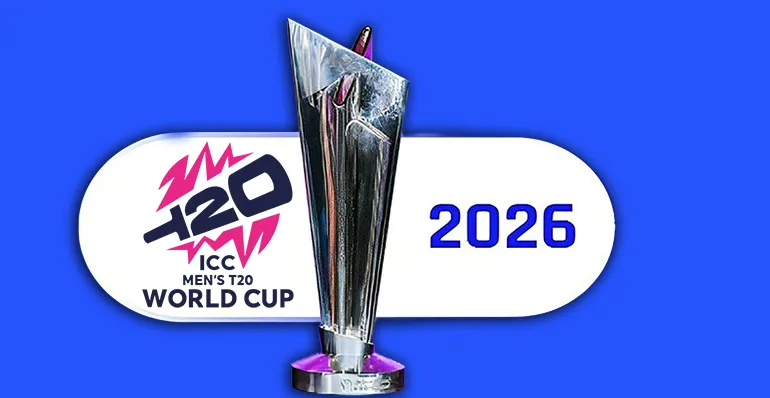
The 2026 T20 World Cup is one of the most exciting events in modern cricket. It shows how the shortest and most exciting style of the game is still getting more popular. Twenty20 cricket has changed how fans enjoy the game over the past twenty years. It has made matches faster, endings more exciting, and made the game available to people all over the world. As the next edition gets closer, players, spectators, broadcasters, and cricket boards all around the world are getting more and more excited. This tournament isn’t just another competition; it’s a celebration of creativity, diversity, and the growing popularity of cricket around the world.
The 2026 T20 World Cup is important for more than just trophies and records. It shows how cricket has changed to meet the needs of its fans while still being a fair sport. The competition shows cricket’s goal of becoming a genuinely global sport by having more teams, more people participating, and different host countries. This article talks about all the important parts of the event, such as the countries who hosted it, the format, the history behind it, and the long-term effects it had on the game.
The T20 World Cup has changed throughout time
To really get what the 2026 T20 World Cup means, you need to look at how the competition has changed since it started. The International Cricket Council took a big risk when they organized the first T20 World Cup in 2007. At the time, Test cricket and One Day Internationals were the most popular formats, and many people doubted whether a 20-over version could be competitive.
Those doubts went away with time. Early editions showed that T20 cricket could provide fierce competition in a short amount of time. The competition became a place for young players to show off their skills, a place for underdog stories to be told, and a means for new cricketing nations to get noticed around the world. Each edition increased the format, the quality of the broadcasts, and the way fans could get involved. By the time the 2026 T20 World Cup was coming up, it had already become one of cricket’s most important events.

Countries and Places That Host
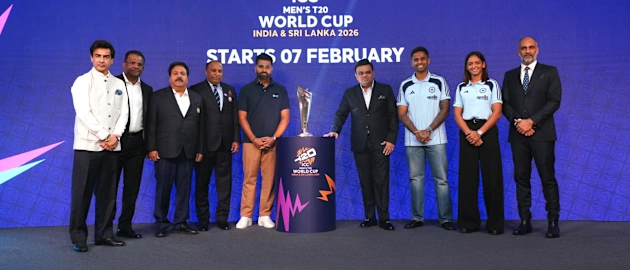
One of the most fascinating things about the 2026 T20 World Cup is how it will be hosted. India and Sri Lanka, two countries with a long history of cricket and ardent fans, will host the tournament together. This cooperation brings together world-class infrastructure, famous venues, and a wide range of playing conditions, offering a cricketing show that is both rich and varied.
India has a lot of stadiums, thus there are plenty of places that can hold millions of fans during the tournament. Sri Lanka’s beautiful stadiums and spin-friendly pitches give the competition a special feel. The hosts have a mix of modern and classic cricketing spaces, which will make the 2026 T20 World Cup a beautiful and technically difficult tournament for all the countries who take part.
The structure and format of the tournament
The 2026 T20 World Cup will have the same format as the last few editions, which included more teams. There will be 20 teams in the tournament, which shows the ICC’s commitment to expansion and inclusion around the world. The first stage divides these teams into groups. Then comes the Super stage, followed by elimination rounds that lead to the final.
This model with numerous stages makes sure that teams play more than one match, which lessens the effect of one-time performances and lets consistent quality show through. It also gives new cricketing countries more chances to play against well-known cricketing powerhouse. The way the 2026 T20 World Cup is set up strikes a mix between being competitive and entertaining. This way, every match will be important and viewers will stay interested throughout the tournament.
How to qualify and how to join a team
To qualify for the 2026 T20 World Cup, teams must either automatically qualify or win a regional qualification competition. Top-ranked teams get to play directly depending on how well they did in past international competitions. Associate and rising nations, on the other hand, have to work hard to earn their spots through strict qualification routes.
This system makes sure that everyone is treated fairly and that competition grows in all areas. There are teams from Africa, Asia, Europe, the Americas, and East Asia-Pacific, which shows how cricket is becoming more popular around the world. The qualification procedure makes the 2026 T20 World Cup more prestigious because every side that plays has already shown that it can compete at the highest level.
Important Teams and Fair Competition
The 2026 T20 World Cup has a great mix of old powerhouses and new challengers. India, Australia, England, Pakistan, and the West Indies are all good teams with a lot of experience going into the event. They are always in the running because they have a lot of tactical depth and are used to being under a lot of pressure.
At the same time, teams like Afghanistan, Bangladesh, and a few more associate nations add excitement and brave cricket. Because T20 games are so fast, underdogs can compete on equal footing, which makes upsets more likely than in longer formats. Fans all over the world are so interested in the 2026 T20 World Cup because it strikes a good mix between experience and ambition.
Different types of pitches and playing conditions
The projected playing conditions for the 2026 T20 World Cup make things even more interesting. Indian pitches tend to favor batting-friendly surfaces that can score a lot of runs, whereas Sri Lankan pitches tend to encourage spin bowling and tactical variation. Humidity and dew are two examples of weather variables that have a big effect on the outcome of a match.
Teams need to be able to change fast and change their plans based on the location and the weather. This ability to adapt sets the best teams apart from the rest and makes sure that the 2026 T20 World Cup tests all of a team’s skills. Having a lot of different skills is the key to success, from powerful batting lineups to disciplined bowling attacks.
Technology and innovation’s role
Technology has a big impact on modern cricket, and the 2026 T20 World Cup is no different. Better decision review procedures, ball-tracking technology, and broadcast analytics make things more fair and open. Fans can see real-time stats, learn about player performance, and have engaging viewing experiences.
Technology also helps players get ready by letting teams analyze data to improve their strategy and performance. The 2026 T20 World Cup will be the most modern international cricket tournament ever, thanks to the combination of new ideas and old ones.
Effects on the economy and culture
The 2026 T20 World Cup has big effects on the economy and culture beyond of the boundary ropes. Hosting the tournament brings in a lot of money for local economies, improves tourism, and provides jobs. Host countries will always remember the stadium enhancements, infrastructure development, and global media coverage.
The tournament brings together supporters from different cultures who all love cricket. When people shout, celebrate, and argue about performances together, it makes cricket an even stronger force for bringing people together. The 2026 T20 World Cup has an impact that goes well beyond the field; it shapes communities and inspires future generations.
Growth of Players and the World
One of the best things about the 2026 T20 World Cup is that it helped players get better. Young cricketers get to play in high-pressure international matches, which helps them mature and gain confidence faster. When associate nations play against the best teams, they get better and the gap between their performance and that of the best teams gets less.
The event also encourages people to put money into local leagues, academies, and grassroots organizations. The 2026 T20 World Cup shows that cricket is committed to being open to everyone and lasting for a long time by showing off a wide range of talent on a global scale.
Media Attention and Fan Involvement
The 2026 T20 World Cup is projected to draw a huge worldwide audience on both TV and the internet. Engaging with fans on social media, offering interactive experiences, and using new content forms bring consumers closer to the action than ever before. Fans may feel like they are a part of the tournament, no matter where they are, thanks to this better connectivity.
Fan engagement strategies, including as youth programs and community events, help the tournament reach even more people. The 2026 T20 World Cup is very important in today’s sports world since it can reach both old and new followers.
The 2026 T20 World Cup will leave a legacy.
The 2026 T20 World Cup will leave a mark, just like every other big cricket tournament. It establishes standards for future editions by focusing on global participation, technical innovation, and a fair playing field. The lessons learnt from hosting, organizing, and playing will shape the future of international cricket.
The tournament’s success will probably motivate other countries to play cricket, bring in more money, and strengthen T20 cricket’s role as a gateway format. In this way, the 2026 T20 World Cup is not just one tournament, but a big step forward in the sport’s history.
Conclusion
The 2026 T20 World Cup is the perfect mix of fun, competition, and global goals. The competition has everything that makes T20 cricket so interesting, from its long history to its new ideas. With world-class hosts, a wide range of teams, and millions of dedicated supporters, it promises to be a remarkable event with enduring effects.
The 2026 T20 World Cup shows how cricket may change and how popular it is all over the world. It is more than a tournament; it is a celebration of cricket’s history, present, and future around the world.
Read More:- T20 World Cup 2024 Men: Teams, Format, History & Impact

%20Tickets%20on%20Sale-21x9%20copy.jpg&description=Explore the 2026 T20 World Cup in detail, including host nations, teams, match format, venues, qualification process, history, and its global impact.)