


Introduction
The Australian men’s cricket team and the South Africa national cricket team have one of the most renowned and fierce rivalries in international cricket. Some rivalries are mostly based on geography or politics, but this one has been shaped by great sportsmanship, fierce competition, exciting moments, and respect between two powerful cricketing nations. Australia and South Africa have played each other in Test matches, One Day Internationals, and Twenty20 Internationals for more than a century. This has created a long history full of great performances and historic series.
This article gives a clear and extensive timeline of the Australian men’s cricket team vs. the South African national cricket team, showing how their rivalry has changed over the years from the early days of Test cricket to more recent limited-overs matches. The main goal is to figure out how the rivalry grew, how it affected cricket around the world, and why people still care about games between these two sides.
The Rivalry’s Early Years (1900s–1930s)

In the early 1900s, Australia and South Africa started playing cricket together. South Africa was still becoming a strong international team, but Australia had already become a strong Test cricket team. The two teams played their first Test series in 1902–03 when South Africa went to Australia.
Australia won most of these early games because they had a better domestic structure and more experienced players. But South Africa showed signs of talent and determination. These first games started a rivalry that would get stronger over time.
During this time, Test cricket was the only type of cricket that was played. The games were slower and more strategic, with a focus on batting endurance and disciplined bowling. Australia’s consistency typically gave them the edge, while South Africa’s desire to take on a superior opponent gained them respect.
Before World War II, the 1930s and 1940s were a time of growth and balance.
South Africa had become a much better cricketing country by the 1930s. Tours got more competitive, and games weren’t always one-sided anymore. Australian legends of the time still ruled at home, but South Africa began to make players who were just as skilled and tough.
World War II stopped the rivalry and all international cricket. During this period, both countries focused on their own cricket, and international competitions were put on hold for a few years. much though there was a gap, the competition stayed strong in spirit and got much stronger after the war.
The 1950s and 1960s were the years after the war and when cricket became more competitive.
The chronology of the Australian men’s cricket team vs. the South African national cricket team was more even in the 1950s and 1960s. South Africa became a better touring team that could win games at home and on the road. Overall, Australia was still ahead, but the series results were closer.
In this time, Test cricket was at its best. Matches often lasted the whole five days, and the results were often quite close. Players from both teams became known as technically skilled cricketers who obeyed the game’s rules. The games were hard-fought, but everyone was in a cheerful mood.
Apartheid and the end of the rivalry (1970s–1980s)
The apartheid era in South Africa was one of the most important breaks in the timeline. South Africa couldn’t play in formal international cricket from the early 1970s to the early 1990s because of international sanctions. Because of this, there were no official matches between Australia and South Africa for more than 20 years.
This absence had a big effect on the competition. A whole generation of South African players never got to play against Australia at the greatest level. There were unofficial matches and rebel tours during this time, but they don’t count as official international records.
Fans all over the world were quite excited when South Africa was allowed back into international cricket in the early 1990s.
South Africa’s Return and New Energy (1990s)

The return of South Africa to international cricket in 1991 was a new chapter in the history. The first formal series against Australia after being let back in was in 1993–94. These games proved that South Africa was still a strong competitor, even after being cut off from the rest of the world for years.
The competition immediately become one of the most interesting in cricket around the world. Australia played against South Africa, a squad recognized for its discipline, fitness, and mental toughness. Australia was known for being combative and having a strong team spirit. Matches were heated and closely fought, and often one player’s brilliance made the difference.
One Day Internationals also became a popular format during this time. Australia and South Africa started playing each other a lot in bilateral ODI series and international events.
Dominance and Iconic Series (2000s)
People typically think of the early 2000s as the best time for the rivalry between Australia and South Africa. Both teams were among the greatest in the world, and their games often decided who was at the top of the world rankings.
Australia’s trip to South Africa in 2001–02 was very important. Australia won a tough Test series, showing that they are better than other teams when they play away from home. In response, South Africa fought hard against Australia in the next series.
A remarkable moment in cricket history happened in 2006 during an ODI in Johannesburg. South Africa was able to chase down a world-record target set by Australia, making for one of the most exciting games ever. This match made the rivalry even more famous, and cricket fans still talk about it a lot.
During this decade, the competition was marked by great cricket, excellent leadership, and respect for each other. Every series seemed crucial, and a lot of people watched every match.
Table of the Timeline Overview
The table below shows important events in the timeline of the Australian men’s cricket team vs. the South African national cricket team. This will help you better understand how the rivalry has grown.
| Era | Key Characteristics | Overall Impact |
|---|---|---|
| 1900s–1930s | Australia dominant, South Africa developing | Foundation of rivalry |
| 1950s–1960s | More balanced Test series | Increased competitiveness |
| 1970s–1980s | No official matches due to sanctions | Long interruption |
| 1990s | South Africa’s return and strong performances | Revival of rivalry |
| 2000s | Peak competition across formats | Global fan interest |
| 2010s–2020s | Balanced contests in all formats | Modern rivalry |
The rivalry persisted in Tests, ODIs, and the new T20 Internationals that became popular in the 2010s. South Africa won Test series in Australia, which few other teams have been able to do. These wins showed that South Africa could handle tough situations.
On the other side, Australia was a tough opponent both at home and away. Their depth in fast bowling and aggressive batting approach made it hard to foresee how the series against South Africa would go.
Limited-overs cricket made the contest much more interesting. Both teams put a lot of effort into being athletic, fielding well, and making plans. Even though the matches were faster, they were just as intense as regular Test matches.
T20 Internationals and Players of the New Generation (2020s)

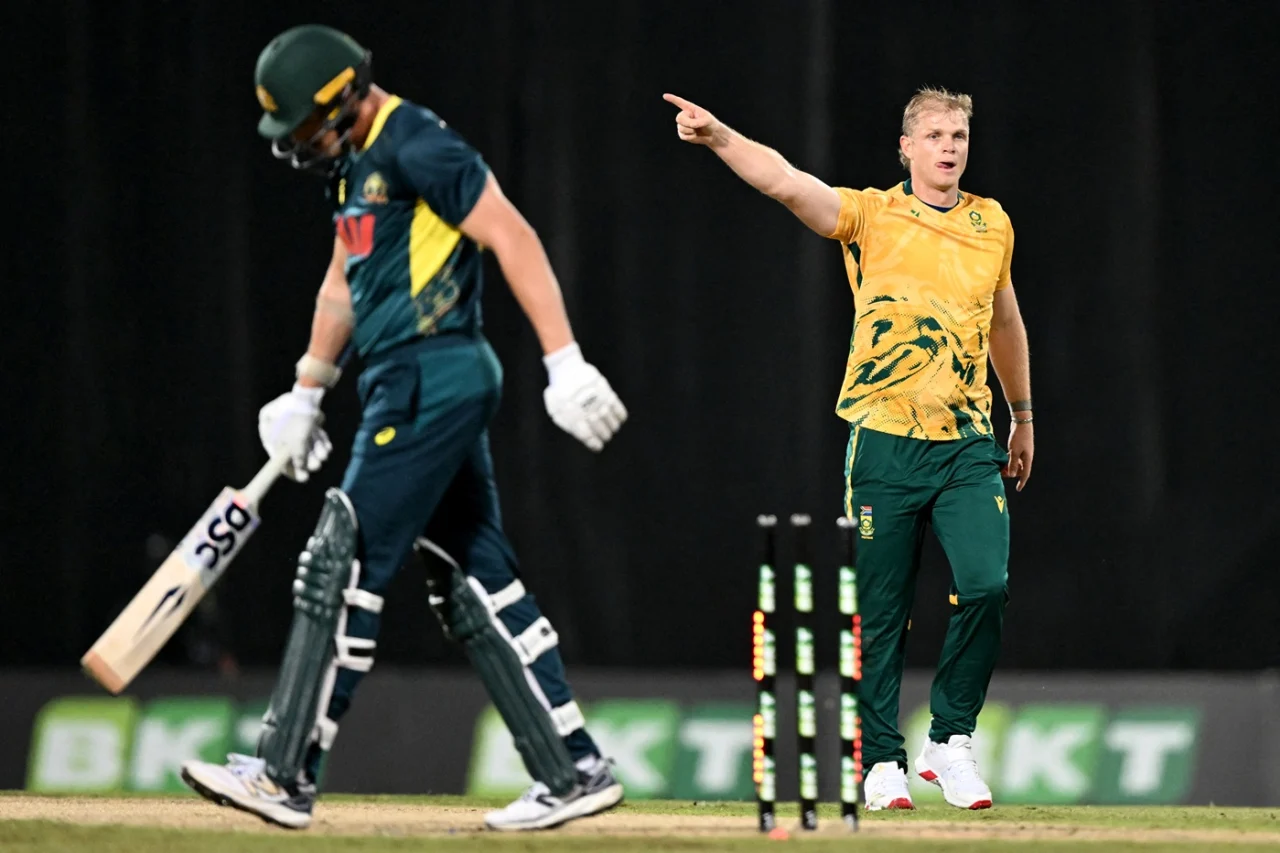
T20 Internationals became more crucial in building rivalries as cricket moved into the 2020s. Australia and South Africa started playing each other more often in T20 series and international events. These games brought in a new group of gamers who brought new energy and ways to play.
Even though the format and speed changed, the major parts of the rivalry stayed the same. Both sides were determined and professional when they played each other since they knew that winning against each other was very important.
The timeline from this time shows a mix of old and new. Older players taught younger players about the game, and younger players learned new ways to play and new strategies.
The Rivalry’s Overall Importance
The timeline of matches and results between the Australian men’s cricket team and the South African national cricket team is more than just that. It shows how international cricket has changed throughout time. This rivalry has changed with every big development in the sport, from slow-paced Test matches to fast-paced T20 games.
The fact that both sides always play good cricket is what makes this rivalry special. There are rarely boring matches, and the outcomes of series are often not clear until the very end. Fans like how competitive the players are and how much respect they show each other.
Another essential thing to think about is how this competition has affected the standards of cricket around the world. Both teams have set high standards for fitness, strategy, and mental strength, which has made other countries want to do better.
Conclusion
The timeline of the Australian men’s cricket team vs. the South African national cricket team goes back more than a hundred years. This rivalry has seen it all, from Australia’s early domination to South Africa’s development as a world-class squad, from extended breaks to exciting modern-day matches.
Fans expect great cricket, tough rivalry, and memorable moments as Australia and South Africa play each other today. With each new series, the timeline gets longer and adds new chapters to an already rich past. This competition is still a sign of excellence, strength, and the sport’s lasting appeal as cricket changes.
Read More:-South Africa vs Australia Cricket Rivalry Timeline