

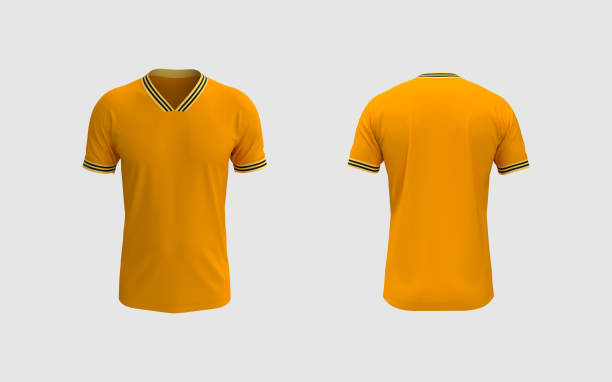
Introduction to the Football Jersey
The football jersey is one of the most recognizable elements in sports culture. Whether worn by professional athletes on the field or by fans cheering from the stands, it symbolizes team identity, pride, and loyalty. Over the years, the football jersey has evolved from a simple athletic garment into a powerful representation of club history and fan culture. Today, jerseys are carefully designed pieces of sportswear that combine advanced technology, style, and performance.
In the early days of football, uniforms were basic and primarily designed for functionality. Players needed clothing that allowed free movement while protecting them from harsh weather conditions. As football gained popularity worldwide, the appearance and structure of jerseys began to change. Teams started using colors, numbers, and logos to create a distinct identity.
Modern football jerseys are not only part of the game but also part of global fashion trends. Fans proudly wear them to stadiums, watch parties, and even casual outings. The connection between supporters and their teams is often expressed through this iconic piece of clothing.
The History and Evolution of Football Jerseys
The development of the football jersey mirrors the evolution of football itself. In the late nineteenth and early twentieth centuries, jerseys were made of thick cotton or wool. These materials were durable but heavy, especially when they absorbed sweat or rain. Players often struggled with comfort and mobility during matches.
As sports technology advanced, manufacturers began experimenting with lighter fabrics. By the mid-twentieth century, synthetic materials such as polyester started replacing cotton. These fabrics were lighter, more breathable, and better suited for high-intensity sports.
Another major change was the introduction of numbers and names on the back of jerseys. Numbers helped referees and spectators identify players easily, while names allowed fans to connect more personally with their favorite athletes. Over time, club crests, sponsor logos, and unique color combinations became standard features.
The transformation of the football jersey also reflects the commercialization of sports. Sponsorship deals and merchandising turned jerseys into valuable marketing assets. Today, millions of jerseys are sold globally every season, making them an important part of football’s economic ecosystem.
Design and Key Features of a Football Jersey
A modern football jersey is carefully engineered to enhance player performance. Designers focus on several aspects such as comfort, aerodynamics, and durability. Each element of the jersey serves a specific purpose in helping athletes perform at their best.
First, lightweight fabric is essential. Modern jerseys use advanced synthetic materials that wick moisture away from the body. This helps players stay cool and dry during intense matches. Breathable mesh panels are often included to improve ventilation.
Second, the fit of the jersey plays an important role. Jerseys are designed to fit close to the body without restricting movement. A streamlined design reduces air resistance and prevents opponents from easily grabbing the fabric.
Third, visual elements such as colors, stripes, and patterns represent team identity. Clubs often maintain traditional color schemes that connect current teams with their historical roots. Some jerseys feature bold designs to reflect modern aesthetics, while others remain classic to honor tradition.
Together, these features ensure that the football jersey is both functional and symbolic, combining sports science with visual identity.
Materials and Technology Behind Modern Jerseys
Advances in textile technology have significantly improved the quality of the football jersey. Manufacturers invest heavily in research to create fabrics that enhance athletic performance while maintaining comfort and durability.
Polyester blends are the most common materials used today. These fabrics are lightweight, flexible, and resistant to wear and tear. Moisture-wicking technology helps move sweat away from the skin, allowing it to evaporate quickly.
Some jerseys also incorporate compression technology. This design supports muscles and may help reduce fatigue during long matches. Seamless stitching and heat-bonded panels are often used to minimize friction and irritation.
Sustainability has become another important factor in jersey production. Many sports brands now produce jerseys using recycled materials, such as plastic bottles. This environmentally conscious approach reduces waste while maintaining high performance standards.
Thanks to these innovations, the modern football jersey is far more advanced than its early versions. It is a product of science, design, and sustainability working together.
Cultural Impact of the Football Jersey
Beyond the field, the football jersey has become a cultural icon. Fans across the world proudly wear their team’s jersey to express loyalty and belonging. For many supporters, owning a jersey is a way of connecting with their favorite club or national team.
Jerseys often represent unforgettable moments in sports history. For example, a jersey worn during a championship season becomes a cherished symbol of victory. Fans remember legendary players and historic matches through the shirts associated with them.
In addition, jerseys have crossed into mainstream fashion. Streetwear trends frequently incorporate football jerseys as stylish casual clothing. Designers collaborate with clubs and brands to create special editions that appeal to both sports fans and fashion enthusiasts.
The emotional value of a football jersey also plays a significant role. Supporters may wear the same jersey for years, associating it with memories of matches, celebrations, and shared experiences with friends and family. This emotional connection strengthens the bond between clubs and their supporters.
Types of Football Jerseys Available Today
The modern market offers several types of football jersey options for players and fans. Each type serves a slightly different purpose depending on who is wearing it and how it will be used.
The most common categories include:
-
Authentic jerseys, which are identical to those worn by professional players.
-
Replica jerseys, designed for fans with a similar look but more affordable materials.
-
Training jerseys, used by players during practice sessions.
-
Limited edition jerseys, released to celebrate special events or anniversaries.
Authentic jerseys usually feature advanced performance fabrics and a tighter fit. Replica versions focus more on comfort and affordability, making them popular among fans.
Limited edition releases are particularly exciting for collectors. Clubs often design these jerseys to commemorate milestones, historical achievements, or collaborations with designers. Because they are produced in smaller quantities, they often become valuable memorabilia over time.
The Role of Jerseys in Fan Identity
The connection between supporters and their team is strongly expressed through the football jersey. When fans wear their club’s colors, they become part of a larger community that shares passion for the sport.
At stadiums around the world, thousands of fans wearing matching jerseys create an impressive visual spectacle. The sea of colors and patterns symbolizes unity and collective energy. This atmosphere can even influence players, motivating them to perform better during matches.
For many fans, a jersey is more than merchandise. It represents identity, tradition, and pride. Supporters may personalize their jerseys with the name and number of their favorite player, further strengthening the emotional connection.
Young fans also see jerseys as a source of inspiration. Wearing the same jersey as their sporting heroes encourages them to dream about playing football at the highest level. In this way, the jersey becomes a bridge between professional athletes and future generations of players.
The Business and Marketing Power of Jerseys
In modern sports economics, the football jersey plays a significant role in generating revenue. Clubs and sports brands collaborate to design jerseys that appeal to both athletes and supporters. These partnerships often involve long-term sponsorship agreements.
Sponsor logos displayed on jerseys are valuable advertising spaces. Companies pay large sums to have their brands associated with successful teams. When millions of fans watch matches on television or attend games in stadiums, sponsor visibility increases dramatically.
Merchandising is another major source of income. Fans eagerly purchase new jerseys each season, especially when clubs introduce updated designs. Special editions and player-specific jerseys also drive sales.
Global distribution networks allow fans from different countries to buy their favorite team’s jerseys online. This international market has turned jerseys into powerful commercial products, expanding the financial reach of football clubs worldwide.
Conclusion
The football jersey has come a long way from its humble beginnings as a simple athletic uniform. Today, it represents a combination of technology, design, culture, and commerce. Modern jerseys are engineered to enhance player performance while also serving as symbols of team identity and fan loyalty.
Read More:- Portugal National Football Team Standings and Performance Overview