

What are what is icing in hockey?
Icing occurs when a player shoots the puck from behind the center line and it crosses the opponent’s goal line untouched. Play stops, and a faceoff follows in the offending team’s zone.
Best what is icing in hockey
Icing is a rule that prevents teams from simply clearing the puck down the ice to avoid pressure, helping keep the game fast and competitive.
How to choose what is icing in hockey
To recognize icing, check if the puck was shot from behind the center line, crossed the goal line untouched, and did not qualify for an exception.
Have you ever watched a hockey game and heard the referee blow the whistle for icing, only to wonder what happened? Many new fans find hockey exciting but confusing because of its unique rules and fast-paced action. Among these rules, icing is one of the most commonly misunderstood.
Understanding icing is important because it affects game strategy, player positioning, and momentum. Coaches build defensive systems around it, while players must make split-second decisions to avoid penalties that can put their team under pressure.
Whether you’re a new fan, a youth player, or someone learning the sport, knowing how icing works will help you enjoy hockey more and better understand what is happening during a game.
Quick Summary
- Icing occurs when a team shoots the puck across the opponent’s goal line untouched.
- The rule prevents teams from wasting time by repeatedly clearing the puck.
- A faceoff follows in the offending team’s defensive zone.
- Certain exceptions can prevent an icing call.
What Is Icing in Hockey?
To answer the question what is icing in hockey, it is a rule violation that occurs when a player sends the puck from behind the center red line all the way across the opposing team’s goal line without the puck being touched by another player.
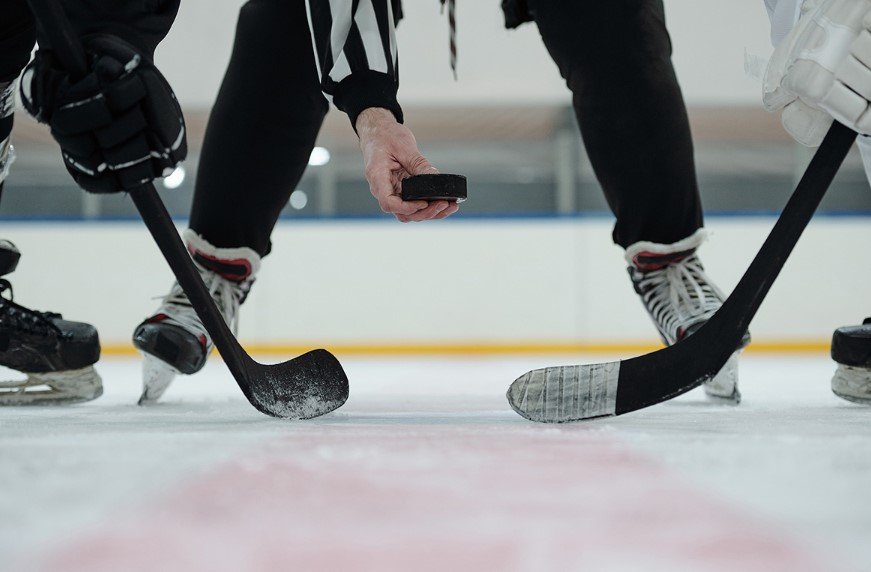
When icing is called, play stops immediately or after officials determine the puck has crossed the line untouched. The resulting faceoff takes place in the defensive zone of the team that committed the violation.
This rule exists to encourage active puck movement and prevent teams from gaining an unfair advantage by simply shooting the puck the entire length of the ice whenever they are under pressure.
Why Was the Icing Rule Created?
Before the icing rule existed, teams could repeatedly clear the puck down the ice whenever they faced offensive pressure. This slowed games dramatically and reduced scoring opportunities.
Hockey officials introduced the rule to maintain competitive balance and improve entertainment value. Today, icing is considered one of the fundamental rules that keep the sport fast, strategic, and engaging.
Modern professional leagues such as the National Hockey League (NHL) rely heavily on icing regulations to ensure teams remain accountable for puck possession and defensive execution.
How the Icing Rule Works
The icing process involves several key elements. Officials monitor the location where the puck is shot and where it ultimately crosses the ice.
Basic Conditions for Icing
A player must shoot the puck from behind the center red line. The puck must then travel untouched across the opponent’s goal line. If these conditions are met, officials may signal icing.
Hybrid Icing
Most major leagues now use hybrid icing. Instead of allowing players to race dangerously into the boards, officials determine which player would likely reach the puck first. This reduces injuries while maintaining competitive fairness.
According to professional hockey observations, hybrid icing has significantly lowered collision-related risks while preserving the strategic aspects of the game.

Types of Icing in Modern Hockey
Different hockey organizations may apply icing rules slightly differently.
| Type of Icing | Description | Common Usage |
|---|---|---|
| Touch Icing | Player must touch the puck first after it crosses the goal line | Traditional leagues |
| No-Touch Icing | Play stops immediately when conditions are met | Amateur leagues |
| Hybrid Icing | Official judges likely puck possession before touch | NHL and many professional leagues |
Each variation aims to balance player safety with competitive gameplay.
Real-Life Example of Icing
Imagine a team defending a one-goal lead late in the third period. The opposing team is attacking aggressively and maintaining puck possession in the offensive zone.
A defenseman feels pressure and shoots the puck from behind his own red line all the way down the rink. The puck crosses the opposing goal line untouched. Officials immediately signal icing, forcing a faceoff back in the defending team’s zone.
Instead of relieving pressure, the defending team now faces another defensive-zone faceoff. This example shows why players must carefully manage puck control and decision-making.
Exceptions to the Icing Rule
Not every long-distance puck clearance results in icing. Several exceptions exist.
If a team is shorthanded because of a penalty kill situation, they are generally allowed to clear the puck the length of the ice without receiving an icing call. This provides a defensive advantage when playing with fewer skaters.
Officials may also waive off icing if:
- An opposing player could have played the puck but chose not to.
- The puck enters the goal.
- The goalie leaves the crease and plays the puck.
- Officials determine a player would have reached the puck first.
These exceptions add strategic complexity to hockey games.
Strategic Importance of Icing
Understanding what is icing in hockey also means understanding its strategic impact.
Teams trapped in their defensive zone often risk icing when attempting to relieve pressure. However, an icing call prevents player substitutions, leaving tired skaters on the ice.
This creates opportunities for the attacking team to exploit fatigue and maintain offensive momentum. Coaches frequently design faceoff plays specifically to capitalize on post-icing situations.
Advanced hockey analytics suggest offensive-zone faceoffs following icing calls often increase scoring opportunities compared to standard neutral-zone play.
Pros and Cons of the Icing Rule
Pros
- Encourages skillful puck management
- Improves game flow and excitement
- Prevents intentional stalling tactics
- Creates additional scoring opportunities
Cons
- Can be confusing for new fans
- Occasional judgment calls may be controversial
- May punish defensive teams under heavy pressure
- Different league variations can cause confusion
Common Mistakes Fans Make About Icing
Many new hockey viewers misunderstand icing because of the speed of the game.
Common Misunderstandings
- Assuming every long puck clearance is icing
- Ignoring penalty-kill exceptions
- Confusing offsides with icing
- Believing the goalie cannot cancel an icing call
Learning these distinctions helps fans follow games more accurately.
Expert Tips for Understanding Icing
Quick Expert Tips
- Watch where the puck is shot from.
- Follow the red center line closely.
- Observe goalie movements during long clears.
- Learn league-specific icing variations.
- Pay attention to post-icing faceoff strategies.
These simple observations make games easier to understand and more enjoyable to watch.
Who Should Learn About This Rule?
Anyone interested in hockey can benefit from learning icing rules. New fans gain a deeper appreciation for game strategy, while youth players improve their decision-making on the ice.
Parents of young athletes, fantasy hockey enthusiasts, sports bettors, coaches, and recreational players also benefit from understanding the rule. Knowing when icing can occur helps explain momentum shifts, coaching decisions, and defensive tactics.
How Icing Affects Team Strategy
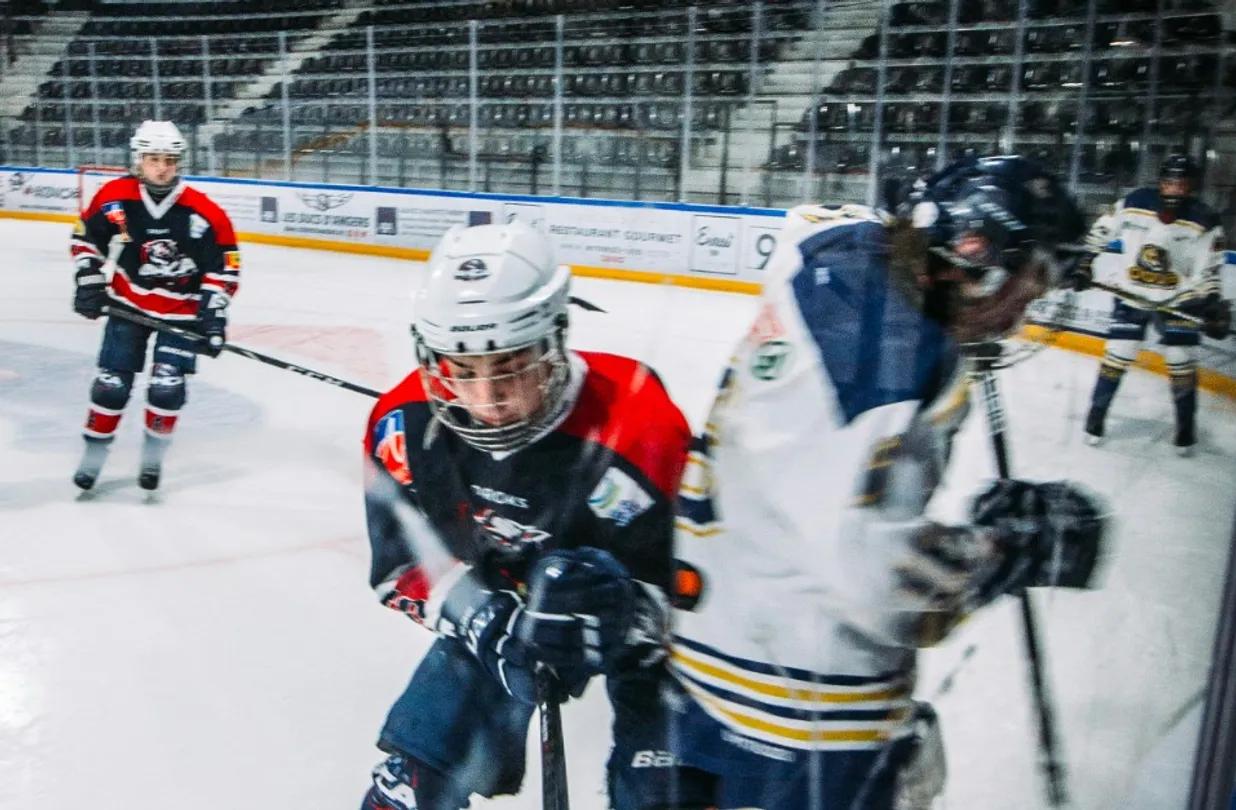
When discussing what is icing in hockey, strategy cannot be ignored. Teams often practice breakout systems designed specifically to avoid icing situations.
Defensemen are taught to make controlled passes rather than blindly clearing the puck. Forwards support puck movement through the neutral zone to reduce the risk of icing violations.
In professional hockey, even a single icing call late in a game can change momentum and potentially influence the outcome.
FAQs
Is icing allowed during a penalty kill?
Yes. Most hockey leagues allow shorthanded teams to clear the puck without an icing penalty.
Why is icing important in hockey?
It prevents teams from wasting time and encourages active puck possession and offensive play.
What is icing in hockey and why is it called?
It is called when a team shoots the puck from behind the center line across the opponent’s goal line untouched, resulting in a stoppage of play.
Can the goalie stop an icing call?
Yes. If the goalie leaves the crease and plays the puck, officials may waive off icing.
Does every hockey league use the same icing rule?
No. Different leagues may use touch icing, no-touch icing, or hybrid icing systems.
Can icing influence game outcomes?
Absolutely. Defensive-zone faceoffs after icing can create valuable scoring opportunities for opponents.
Summary Recap
Understanding what is icing in hockey helps fans appreciate one of the sport’s most important rules. Icing prevents teams from simply clearing the puck to avoid pressure, encourages skillful play, and creates strategic opportunities throughout a game. From hybrid icing to penalty-kill exceptions, the rule plays a significant role in modern hockey tactics and player decision-making.
Conclusion
Now that you know what is icing in hockey, watching a game becomes much more enjoyable and insightful. This seemingly simple rule influences strategy, player fatigue, momentum shifts, and scoring opportunities. Whether you’re a new fan or an aspiring player, mastering the basics of icing will help you understand the sport on a deeper level and appreciate the intelligence behind every play on the ice.
Read More:-How Long Is a Hockey Game? Complete Time Breakdown Guide