

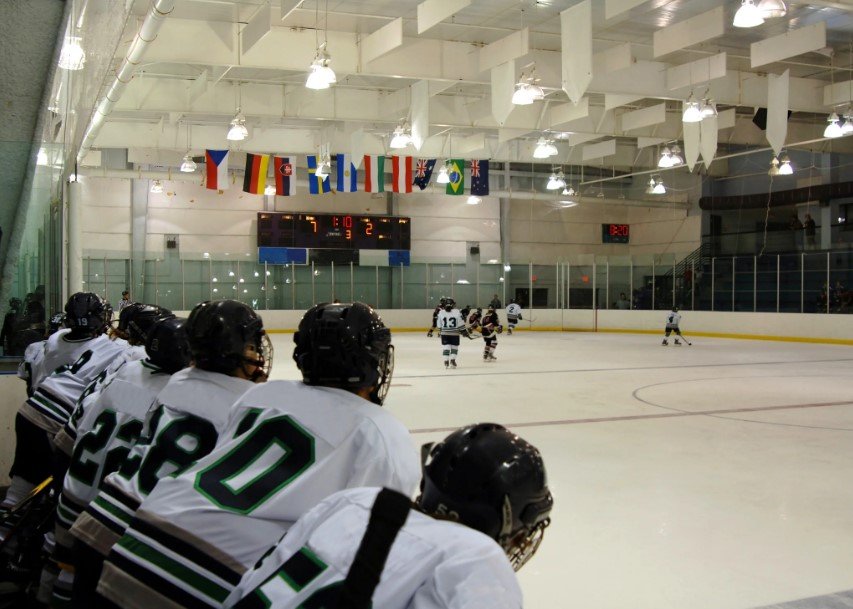
Many new sports fans often ask, how many quarters in hockey? The question is understandable because popular sports such as basketball and American football divide their games into quarters. However, hockey follows a different format that has been used for generations and remains the standard across professional, amateur, and international competitions.
If you are watching hockey for the first time, understanding the game’s structure can make the action much easier to follow. Knowing when teams switch sides, how breaks work, and what happens in overtime helps viewers appreciate the strategy and pace of the sport. In this guide, we will answer the common question, how many quarters in hockey, while also explaining the unique period system used throughout the hockey world.
Whether you are a beginner, a casual sports fan, or someone looking to learn more about ice hockey, this article covers everything you need to know about hockey game divisions, timing rules, and game formats in today’s hockey landscape.
Does Hockey Have Quarters?
The simple answer is no. Hockey does not use quarters. Instead, hockey games are divided into three periods. This is one of the most important differences between hockey and many other major sports.
When people search for how many quarters in hockey, they are often surprised to learn that there are actually no quarters at all. A standard hockey game consists of three separate periods, each lasting 20 minutes of playing time at the professional level.
The clock stops frequently throughout the game for goals, penalties, injuries, and other stoppages. As a result, the total time spent watching a hockey game is usually much longer than the official playing time shown on the scoreboard.
The three-period format has become a defining feature of hockey and is used in leagues around the world, including professional, collegiate, and international competitions.
Why Does Hockey Use Periods Instead of Quarters?
Hockey’s three-period structure dates back to the early development of the sport. In the late nineteenth century, hockey organizers found that dividing games into three segments worked better for maintaining ice quality and player performance.
The ice surface naturally deteriorates during gameplay due to skates cutting into it and players generating heat. By introducing two intermissions, arena staff can resurface the ice and provide players with a better skating surface.
Another reason the sport retained periods rather than adopting quarters is tradition. Hockey developed its own identity and rules long before many modern sports became popular. As a result, the three-period system remains an essential part of the game today.
Therefore, when someone asks how many quarters in hockey, the correct response is that hockey uses three periods rather than four quarters.
How Long Is Each Hockey Period?
At the professional level, each period lasts 20 minutes of game time. The clock counts down from 20 minutes to zero and stops whenever play is halted by officials.
The actual duration of a hockey game is significantly longer because of these stoppages. Television timeouts, intermissions, penalties, and video reviews can all extend the overall length of a game.
Standard Hockey Game Structure
| Game Segment | Duration |
|---|---|
| First Period | 20 minutes |
| First Intermission | 15–18 minutes |
| Second Period | 20 minutes |
| Second Intermission | 15–18 minutes |
| Third Period | 20 minutes |
| Overtime (if required) | Varies by league |
The standard regulation game therefore contains 60 minutes of playing time divided across three periods.
Understanding the Three Hockey Periods
First Period
The first period begins with the opening faceoff at center ice. Both teams start fresh, and coaches often use this period to establish strategies and evaluate matchups.
Teams typically focus on controlling possession, creating scoring opportunities, and setting the pace. Since players have maximum energy levels at the start of the game, the opening period often features aggressive skating and physical play.
Second Period
The second period introduces an interesting challenge because teams switch ends of the rink. As a result, the distance between a team’s defensive zone and player bench becomes greater.
This longer change distance can create strategic opportunities. Coaches must carefully manage substitutions, and teams often generate scoring chances when opponents become trapped on the ice during extended shifts.
Many hockey experts consider the second period one of the most strategically important portions of the game.
Third Period
The third period frequently delivers the most excitement. Teams trailing on the scoreboard become more aggressive in their efforts to score, while leading teams focus on protecting their advantage.
Late-game situations can dramatically influence coaching decisions. Teams may pull their goaltender for an extra attacker or adjust defensive tactics to preserve a lead. This creates tension and excitement that often defines the outcome of the game.

How Long Does a Hockey Game Last in Real Time?
One reason people ask how many quarters in hockey is because they want to understand the overall length of a game.
Although regulation time totals 60 minutes, a professional hockey game generally lasts between two and a half and three hours in real time. Several factors contribute to this duration:
- Clock stoppages after whistles and goals.
- Commercial breaks during televised games.
- Intermissions between periods.
- Overtime and shootouts when necessary.
As a result, fans should plan for a viewing experience that extends well beyond the official playing time.
Overtime Rules in Modern Hockey
If a game is tied after three periods, overtime rules may come into effect depending on the competition.
In many professional leagues, regular-season overtime consists of a short sudden-death period. If neither team scores, the game may proceed to a shootout. Playoff formats are often different and can involve extended overtime periods until a winner is determined.
These rules create dramatic endings and ensure that games produce a decisive result when required.
The presence of overtime sometimes causes confusion among new fans who search how many quarters in hockey, expecting a structure similar to other sports. Hockey’s unique format, however, remains centered around its three-period foundation.
Hockey Periods Across Different Levels
While professional hockey uses three 20-minute periods, younger age groups and amateur leagues may adjust period lengths.
Youth hockey organizations often shorten periods to accommodate player development and ice availability. College hockey, international tournaments, and professional leagues generally maintain the traditional three-period structure, although exact timing rules can vary slightly.
Common variations include:
- Youth leagues: 12–15 minute periods.
- High school leagues: 15–17 minute periods.
- Professional leagues: Three 20-minute periods.
- International competitions: Three 20-minute periods.
Despite these differences, the overall format remains remarkably consistent across levels of competition.
Why the Three-Period Format Works So Well
The three-period system offers several advantages that have helped it survive for more than a century.
First, players receive regular opportunities to rest and recover. Hockey is one of the most physically demanding sports, requiring constant skating, quick direction changes, and physical contact.
Second, ice quality remains significantly better because maintenance crews can resurface the rink during intermissions. This leads to safer conditions and higher-quality gameplay.
Third, the format creates natural strategic checkpoints where coaches can make adjustments. Teams can review performance, discuss tactics, and respond to changing game situations before returning to the ice.
These benefits explain why hockey has continued using periods instead of adopting quarters.
Common Misconceptions About Hockey Quarters
Many newcomers mistakenly believe hockey has four quarters because several other major sports use that structure. This misunderstanding is especially common among fans transitioning from basketball or football.
Another misconception is that hockey periods are shorter than quarters in other sports. In reality, hockey periods are relatively long at 20 minutes each, creating a total regulation playing time of 60 minutes.
Understanding these distinctions helps fans appreciate the sport’s unique rhythm and strategy.

FAQs
How many quarters in hockey?
There are no quarters in hockey. Standard hockey games are divided into three periods rather than four quarters. Each period typically lasts 20 minutes at the professional level.
Why doesn’t hockey use quarters?
Hockey uses periods because the format helps maintain ice quality, provides player recovery time, and follows long-standing traditions established during the sport’s early development.
How many periods are in a hockey game?
A regulation hockey game contains three periods. Together, these periods account for 60 minutes of official playing time.
How long is each hockey period?
Professional hockey periods are generally 20 minutes long. Youth and amateur leagues may use shorter periods depending on age and competition level.
What happens if a hockey game is tied?
If the score is tied after regulation, overtime may be played. Depending on the league, a shootout or additional overtime periods may determine the winner.
Is hockey the only sport that uses periods?
No. Several sports use periods rather than quarters, but hockey is among the most well-known examples. Its three-period format is unique compared with many other major team sports.
Conclusion
The answer to how many quarters in hockey is simple: hockey does not have quarters. Instead, the game is divided into three periods, each typically lasting 20 minutes at the professional level. This structure has remained a core part of hockey for more than a century and contributes to the sport’s distinctive pace, strategy, and flow.
Understanding hockey periods helps new fans follow the action more effectively and appreciate the decisions made by players and coaches throughout a game. From the opening faceoff to potential overtime drama, every period plays a crucial role in determining the final outcome. The next time someone asks how many quarters in hockey, you’ll know that the sport relies on three periods—a tradition that continues to define hockey around the world.
Read More:-What Is Icing in Hockey? Rules, Examples, and Game Impact Explained