


Tennis is one of the most exciting sports in the world because no match is played against a clock. Unlike football, basketball, or cricket, tennis continues until one player wins the required number of sets. This unique feature makes every match unpredictable, with some contests finishing in under an hour while others stretch beyond five hours. Understanding tennis match duration helps fans, beginners, and players appreciate why every match can feel completely different.
Professional tournaments, junior competitions, doubles matches, and recreational games all have different formats that influence how long they last. Factors such as player skill, playing surface, rally length, weather conditions, and tie-break rules also contribute to the overall time spent on the court. Whether you are watching a Grand Slam final or a local club match, knowing what affects match length adds another layer of excitement to the game.
In this guide, we’ll explain average match times, tournament formats, the longest matches in history, and the reasons why tennis remains one of the most unpredictable sports in terms of duration.
What Is Tennis Match Duration?
Tennis match duration refers to the total amount of time required to complete a tennis match from the first serve until the final point. Since tennis has no game clock, the match continues until one player wins the required number of sets according to tournament rules.
A standard tennis match includes multiple games, and games are grouped into sets. Depending on the competition, players may compete in a best-of-three-set format or a best-of-five-set format. Because there is no fixed time limit, the actual duration depends entirely on how competitive the match becomes.

For example, a one-sided match where a top-ranked player dominates may end in less than an hour. On the other hand, evenly matched opponents can battle for several hours with long rallies, multiple deuce games, and closely contested tie-breaks. This unpredictability is one of the biggest attractions of professional tennis.
Understanding how scoring works is the first step toward understanding why match times vary so much across different tournaments.
Average Tennis Match Duration by Format
Different tournament formats produce different average match lengths. Singles generally take longer than doubles, while men’s Grand Slam matches typically last longer than women’s matches because of their best-of-five-set format.
| Match Format | Average Duration |
|---|---|
| Best of 3 Sets (ATP/WTA) | 1.5–2.5 hours |
| Best of 5 Sets (Men’s Grand Slam) | 2.5–4.5 hours |
| Women’s Grand Slam | 1.5–2.5 hours |
| Doubles Match | 1–1.5 hours |
| Junior Matches | 1–2 hours |
| Recreational Tennis | 45 minutes–2 hours |
These averages can vary depending on the players and tournament conditions. Close matches featuring multiple tie-breaks naturally last much longer than straightforward victories.
When planning to watch live tennis, it’s always helpful to remember that no official time limit exists.
How the Scoring System Affects Tennis Match Duration
One reason tennis match duration varies so much is the sport’s unique scoring system. Instead of running on a countdown clock, players must earn enough points, games, and sets to secure victory.
Each game begins at love (zero) and progresses through 15, 30, 40, and game. If both players reach 40, the score becomes deuce, requiring one player to win two consecutive points. A game stuck in repeated deuces can last several minutes on its own.
A player generally needs six games to win a set while maintaining a two-game advantage. If the score reaches 6-6, most tournaments now use a tie-break to decide the set. Since every game can vary dramatically in length, predicting the total match time is nearly impossible.
This scoring system ensures every point matters while creating dramatic momentum swings that often extend the overall match.
Factors That Influence Tennis Match Duration
Many variables determine how long a tennis match lasts. Some are related to the players, while others depend on tournament rules and external conditions.
Major factors include:
- Player skill level and consistency
- Long rallies and defensive playing styles
- Number of sets played
- Frequent deuce games
- Tie-breaks
- Playing surface
- Weather conditions
- Injury timeouts and medical breaks
- Crowd interruptions
- Match intensity
Fast-serving players often finish points quickly, while defensive baseliners engage in extended rallies that significantly increase playing time. Clay courts also tend to produce longer matches because the slower surface allows players to retrieve more shots.
These combined elements make every tennis match unique.
Best-of-Three vs Best-of-Five Matches
One of the biggest reasons for differences in tennis match duration is the number of sets required to win.
Best-of-Three Sets
Most ATP Tour events, WTA tournaments, Olympic competitions, and lower-level tournaments use the best-of-three format. A player must win two sets to claim victory.
This format generally produces matches lasting between 90 minutes and two and a half hours. However, close contests with multiple tie-breaks may exceed three hours.
Best-of-Five Sets
Men’s singles at Grand Slam tournaments traditionally use the best-of-five format. Players must win three sets, creating significantly longer matches.
Because additional sets are possible, these contests often exceed four hours and occasionally last beyond five hours. Marathon Grand Slam battles have become legendary among tennis fans.
The longer format rewards endurance, mental strength, and physical conditioning.
Does the Playing Surface Change Match Length?
Yes. Court surface has a major impact on match duration because it affects ball speed, bounce, and rally length.
Clay Courts
Clay produces slower ball speeds and higher bounces, encouraging longer rallies and more defensive play. Matches on clay often last longer than on other surfaces.
Hard Courts
Hard courts provide balanced playing conditions. Match lengths are generally close to the sport’s average and vary depending on player styles.
Grass Courts
Grass is the fastest surface in professional tennis. Powerful serves and shorter rallies often reduce overall playing time.
Professional players adapt their strategies depending on the surface, which is why the same players may produce very different match durations across tournaments.
Longest Tennis Matches in History
Some tennis matches have become famous because of their extraordinary length.
The most well-known marathon lasted over 11 hours across three days during a major tournament. That incredible contest demonstrated the endurance, determination, and mental toughness required at the highest level.
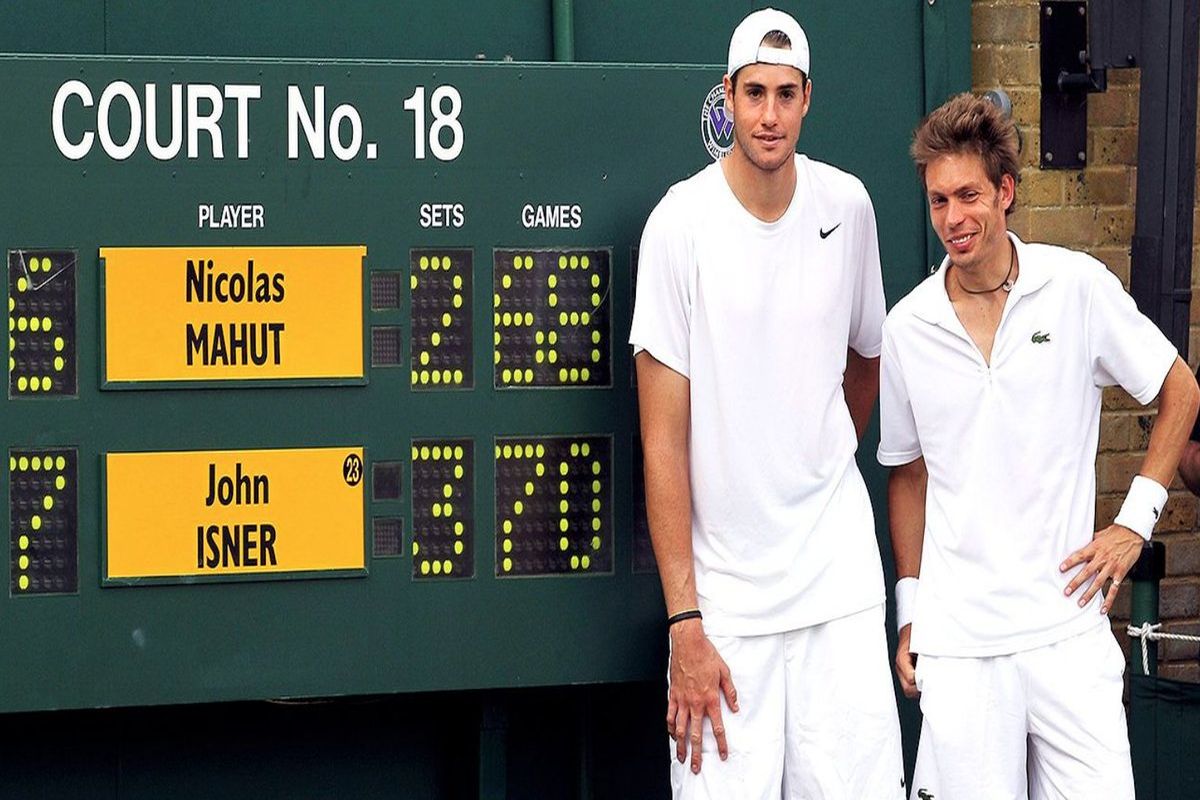
Several other professional matches have exceeded five or six hours, especially before final-set tie-break rules became more common. These historic encounters helped encourage tournament organizers to introduce new regulations that prevent matches from lasting indefinitely.
Despite these rule changes, tennis still produces epic contests that keep spectators captivated for hours.
How Tie-Break Rules Have Changed Match Duration
Modern tennis has introduced tie-break systems to reduce excessively long matches.
Previously, some tournaments required players to continue playing until someone earned a two-game advantage in the deciding set. This occasionally produced endless final sets lasting several hours.
Today, many major tournaments use deciding-set tie-breaks after reaching a specified score. These rules help maintain scheduling while preserving competitive fairness.
Benefits of modern tie-break systems include:
- More predictable scheduling
- Reduced player fatigue
- Better television broadcasting windows
- Improved tournament organization
- Fewer marathon matches
Although tie-breaks shorten some contests, they often create thrilling high-pressure moments that fans enjoy watching.
How Long Do Recreational Tennis Matches Last?
Recreational tennis follows flexible rules, making match lengths much easier to manage.
Many local clubs schedule courts for one or two hours. Players often agree beforehand whether they’ll play:
- One full set
- Best of three sets
- Timed matches
- Fast-four formats
- Short tie-break matches
Beginners generally finish matches faster because rallies are shorter, while experienced club players may enjoy longer competitive contests.
Unlike professional events, recreational tennis focuses more on enjoyment, fitness, and social interaction than strict tournament schedules.
Tips for Players to Prepare for Long Matches
Since no one knows exactly how long a match will last, players should prepare physically and mentally.
Important preparation tips include:
- Maintain proper hydration before and during play.
- Eat balanced meals rich in carbohydrates.
- Build endurance through regular fitness training.
- Practice serving consistently to earn quick points.
- Improve mental focus for long rallies.
- Stretch before and after every session.
- Carry energy snacks for extended matches.
- Pace yourself throughout the contest.
Professional athletes spend years developing endurance because major tournaments often demand several long matches over consecutive days.
Good preparation helps players maintain performance regardless of match length.
Conclusion
Understanding tennis match duration gives fans a deeper appreciation of one of the sport’s most fascinating characteristics. Unlike timed sports, tennis allows every contest to unfold naturally, creating unforgettable moments filled with suspense and drama. Depending on the format, player styles, scoring patterns, and playing conditions, a match may finish in under an hour or continue for several hours. Modern tie-break rules have made tournament scheduling more predictable while still preserving the excitement that makes tennis unique. Whether watching a Grand Slam championship, an ATP Tour event, a WTA match, or enjoying a friendly game at a local club, the unpredictable nature of tennis match duration remains one of the reasons millions of fans continue to love the sport. By understanding the factors that influence match length, viewers and players alike can better appreciate the strategy, endurance, and determination required to succeed on the tennis court.