

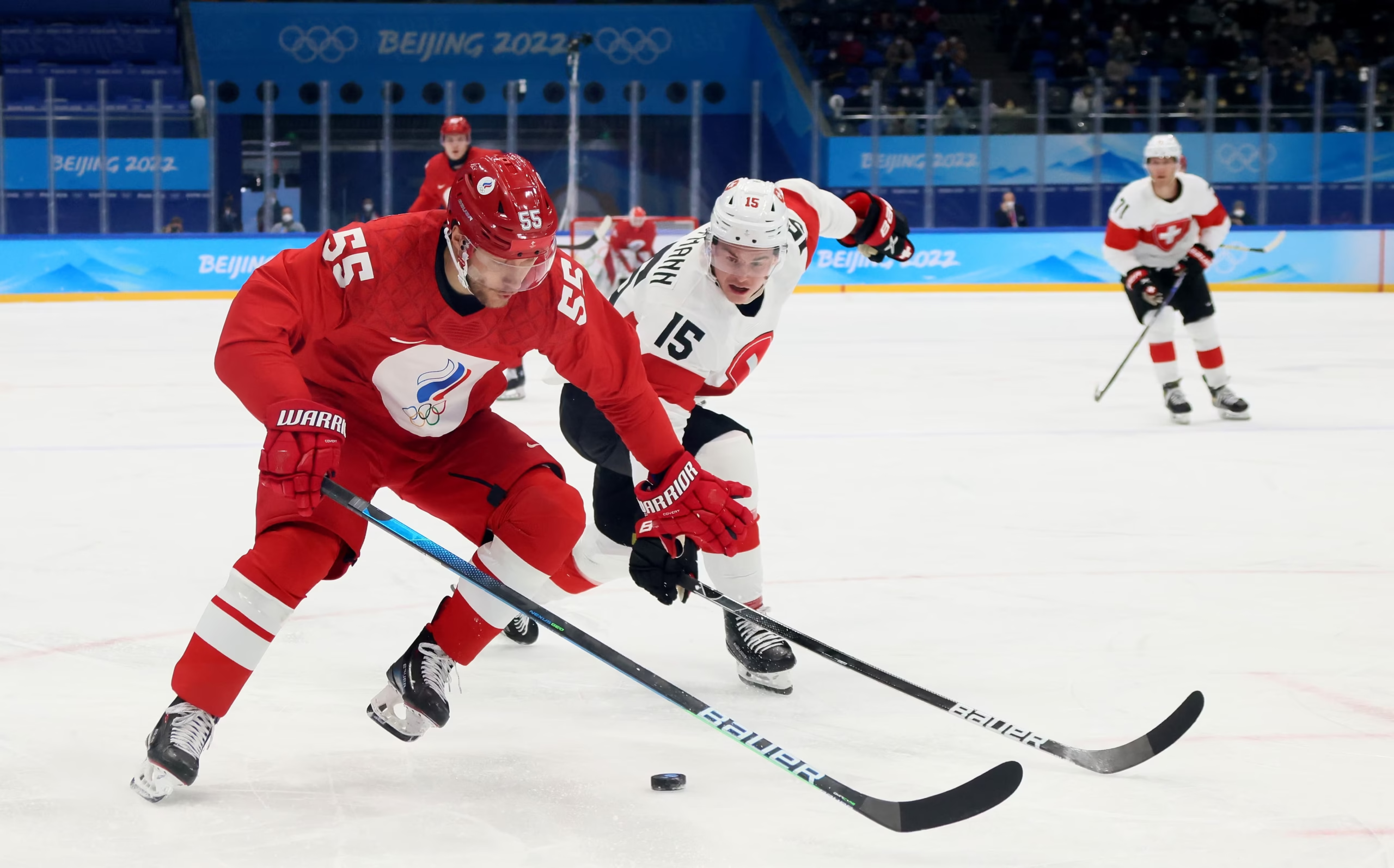
Ice hockey is a fast-paced team sport that combines speed, strength, coordination, and strategic thinking. Played on an ice rink, the game features two teams competing to score goals by shooting a small rubber puck into the opposing team’s net. Players use curved sticks to control, pass, and shoot the puck while skating at high speed. The sport is known for its physical intensity, quick transitions, and exciting scoring opportunities, making it popular among spectators around the world.
From local amateur leagues to professional championships and the Winter Olympic Games, the sport attracts athletes and fans from many countries. Canada, the United States, Sweden, Finland, and the Czech Republic have established strong traditions in international competition. However, its popularity continues to grow in other regions as well. Understanding the basic rules, player positions, equipment, and major competitions makes the game easier to follow and appreciate, whether someone is watching for the first time or considering taking up the sport.
What Is Ice Hockey?
Ice hockey is a competitive sport played on a frozen or artificially refrigerated surface. Each team attempts to score by directing the puck into the opponent’s goal while preventing the other side from doing the same. Players skate across the rink, use sticks to move the puck, and work together to create attacking opportunities. Unlike many ball sports, the puck moves quickly across the playing surface and can change direction suddenly after contact with a stick, skate, or the boards.
A standard team normally has six players on the ice at a time: five skaters and one goaltender. The skaters generally include forwards and defensemen, each with different responsibilities. Teams can change players while play continues, allowing them to maintain energy and respond to changing situations. This combination of speed, teamwork, and frequent substitutions creates a dynamic game in which decisions must often be made within seconds.
History and Development of the Sport
The modern game developed in Canada during the nineteenth century, drawing on earlier stick-and-ball games and winter skating traditions. Organized matches helped establish common rules, while the construction of indoor ice rinks made regular competition more practical. Over time, clubs, leagues, and governing organizations helped the sport develop beyond its early Canadian roots.
International competition became increasingly important as the game spread throughout Europe and North America. Professional leagues introduced structured seasons and championship formats, while national teams competed in international tournaments. The National Hockey League, commonly known as the NHL, became one of the most recognized professional leagues. International governing bodies also supported world championships and Olympic competition, giving national teams opportunities to compete for major titles.
Today, the sport includes professional, collegiate, junior, recreational, and youth levels. Improvements in protective equipment, coaching, sports science, and rink technology have influenced how the game is played. Although the rules and playing styles can vary slightly between competitions, the central objective remains the same: use skating, puck control, passing, and teamwork to outscore the opposition.
Basic Rules of Ice Hockey
The rules of ice hockey are designed to keep the game competitive, organized, and safe. A standard match is divided into three periods, each lasting 20 minutes of playing time in many professional competitions. The clock stops for certain interruptions, so the total time spent watching a game is considerably longer. Teams switch ends between periods, and the side with the most goals at the end wins. If the score is tied, overtime or a shootout may be used, depending on the competition’s rules.
Players must follow regulations concerning offsides, icing, penalties, and legal physical contact. Offside generally occurs when an attacking player enters the offensive zone ahead of the puck. Icing usually involves shooting the puck from behind the center line across the opposing goal line without it being touched, subject to specific exceptions. Penalties can send a player to the penalty box, giving the opposing team a temporary numerical advantage.
Important rules beginners should understand include:
-
Offside: Controls when attacking players can enter the offensive zone.
-
Icing: Prevents teams from repeatedly sending the puck across the rink to avoid pressure.
-
Penalties: Punish rule violations such as tripping, hooking, and high-sticking.
-
Face-offs: Restart play after stoppages at designated locations.
-
Overtime: Provides an additional opportunity to decide a tied game when required.
Player Positions and Their Responsibilities
Every player has a specific role, although responsibilities frequently overlap during fast-moving play. Forwards concentrate primarily on creating scoring chances, maintaining offensive pressure, and recovering the puck. Defensemen protect their team’s defensive zone, challenge opposing attackers, block shots, and support offensive plays when appropriate. The goaltender protects the net and attempts to stop shots using specialized equipment and positioning.
Successful teams depend on communication between all positions. Forwards must understand when to attack and when to help defend, while defensemen need to recognize dangerous passing lanes and potential breakaways. Goaltenders also communicate with teammates, helping organize defensive coverage and identify developing threats. Coaches build combinations of players whose skills complement each other, balancing speed, physical strength, puck handling, and defensive awareness.
| Position | Primary responsibility | Important skills |
|---|---|---|
| Center | Organizes attacks and takes many face-offs | Passing, awareness, control |
| Left wing | Creates scoring opportunities from the left side | Shooting, speed, positioning |
| Right wing | Supports attacks from the right side | Puck handling, agility |
| Defenseman | Protects the defensive zone and supports transitions | Blocking, anticipation, strength |
| Goaltender | Prevents the puck from entering the net | Reflexes, positioning, focus |
Essential Equipment for Players
Protective equipment is essential because players skate at high speeds, handle a hard rubber puck, and may experience collisions or falls. A helmet with appropriate facial protection helps protect the head and face, while shoulder pads, elbow pads, gloves, shin guards, and padded trousers protect other parts of the body. A properly fitted mouthguard may also be recommended or required under particular league rules.
Skates are among the most important pieces of equipment because they influence balance, acceleration, turning, and stopping. Players also need a suitable stick for passing and shooting. Goaltenders wear additional protection, including specialized leg pads, a blocker, a catching glove, and a goalie mask. Equipment should fit correctly and meet the standards applicable to the player’s age group and competition.
Beginners should seek guidance from qualified coaches or experienced equipment specialists when choosing their first set of gear. Proper sizing improves comfort and mobility while reducing avoidable risks. Equipment should also be inspected regularly for damaged straps, loose fasteners, worn blades, and other defects. Protective gear cannot eliminate every injury risk, but using suitable equipment and following safety guidance makes participation more responsible.
Skills Needed to Play Effectively
Strong performance depends on several connected skills rather than shooting ability alone. Skating is the foundation because players must accelerate, stop, turn, and change direction while maintaining control. Beginners typically benefit from mastering balance and basic skating techniques before attempting advanced puck-handling drills. Confidence on skates allows players to pay greater attention to teammates, opponents, and changing game situations.
Puck control is another essential skill. Players need to keep the puck close to their sticks, protect it from opponents, and move it accurately under pressure. Passing helps teams advance together rather than relying on individual players to carry the puck across the rink. Shooting techniques, including wrist shots and slap shots, provide different ways to create scoring opportunities. Defensive skills such as stick positioning, body positioning, and reading an opponent’s movement are equally valuable.
Players can develop their abilities through regular practice, structured drills, and match experience. Helpful training priorities include:
-
Practicing forward skating, backward skating, and quick turns.
-
Developing accurate short and long passes.
-
Improving puck control while moving at different speeds.
-
Practicing shooting accuracy from several positions.
-
Learning defensive positioning and safe physical contact.
-
Building endurance, strength, balance, and reaction speed.
Major Ice Hockey Competitions
International tournaments and professional leagues provide opportunities for teams to compete at different levels. The Winter Olympic Games are among the sport’s most prominent international events, bringing national teams together to compete for medals. The men’s and women’s tournaments attract considerable attention, particularly when established hockey nations meet in high-pressure matches.
The IIHF Ice Hockey World Championship is another major international competition organized by the International Ice Hockey Federation. National teams compete for the world title, although participation can vary depending on tournament divisions and qualification. Junior championships also provide a platform for developing players to represent their countries and gain international experience.
At the professional level, the NHL is widely recognized for its high standard of competition and long-standing franchises. Other professional leagues operate across Europe and Asia, while domestic leagues and development competitions support emerging talent. These tournaments differ in format, rules, schedules, and playing styles, but they all showcase the importance of teamwork, tactical discipline, and individual skill.

Understanding Team Strategy and Tactics
Tactics influence how teams attack, defend, and respond to opponents. Offensive systems focus on moving the puck efficiently, creating space, and generating high-quality shots. Teams may use quick passing combinations, controlled entries into the attacking zone, or pressure near the opposing net. Players must coordinate their movement so that puck carriers have passing options and teammates can react quickly to rebounds.
Defensive systems are equally important. Teams may apply pressure high in the rink or defend closer to their own goal, depending on their strengths and the opponent’s approach. A successful defense limits dangerous shots, protects central areas, and clears rebounds before attackers can take another attempt. Coaches also make tactical adjustments based on the score, remaining time, player availability, and special-team situations.
Power plays and penalty kills create particularly important tactical moments. A power play occurs when one team has a numerical advantage because an opponent has received a penalty. The shorthanded team attempts to limit passing options, block shots, and clear the puck. These situations can influence the outcome of close matches, making discipline and preparation vital throughout the game.
Benefits of Playing Ice Hockey
Participating in ice hockey can support physical fitness and social development. Skating requires coordination, balance, lower-body strength, and cardiovascular endurance. Repeated acceleration and changes of direction challenge different muscle groups, while puck-handling drills develop hand-eye coordination. Training sessions can also encourage athletes to build healthy exercise habits and improve their overall movement skills.
The sport can promote teamwork, communication, discipline, and resilience. Players must work toward shared objectives, accept coaching, and respond constructively to mistakes. Competitive matches teach athletes to manage pressure and adapt when circumstances change. Team participation can also create friendships and strengthen a sense of belonging within a club or community.
However, the sport involves physical risks, including falls, collisions, and injuries caused by equipment or contact with other players. Appropriate protective gear, qualified supervision, proper conditioning, and compliance with safety rules are important at every level. Beginners should learn fundamental techniques gradually and avoid attempting advanced drills before developing the necessary skills.
Growing Popularity and Future Opportunities
The sport continues to attract new audiences through international tournaments, professional broadcasts, youth programs, and digital coverage. Social media and online sports platforms help fans follow teams, understand tactics, and watch highlights from competitions around the world. Greater visibility can encourage more people to explore local clubs, skating facilities, and beginner training programs.
Developing the sport in new regions often depends on access to affordable ice facilities, qualified coaches, equipment, and organized competitions. Countries without extensive winter traditions may face additional challenges because maintaining an ice rink can be expensive. Nevertheless, indoor facilities and structured development programs can create opportunities for young athletes to learn and compete.
Technology is also influencing coaching and performance analysis. Video review, skating measurements, fitness tracking, and tactical data help teams identify strengths and weaknesses. These tools can support better training decisions, although fundamentals such as teamwork, discipline, and consistent practice remain essential. Continued investment in accessible facilities and youth development may help broaden participation in the years ahead.
Tips for Beginners Watching or Playing
New fans can enjoy matches more easily by learning the positions, understanding basic penalties, and following how teams transition between attack and defense. Rather than watching only the puck, pay attention to players moving into open space and defensemen positioning themselves to stop attacks. Replays can help explain goals, offside decisions, and important saves.
People who want to start playing should first find a suitable beginner program and learn basic skating. A coach can recommend equipment, explain rink safety, and introduce simple passing and shooting drills. Consistent practice is generally more useful than trying to master every skill immediately.
A practical starting checklist includes:
-
Learn to stop and turn confidently on skates.
-
Choose properly fitted protective equipment.
-
Practice puck control before joining competitive matches.
-
Follow coaching instructions and rink safety rules.
-
Build fitness gradually and allow time for recovery.
-
Focus on teamwork and steady improvement.
Conclusion
Ice hockey combines athletic ability, tactical intelligence, teamwork, and fast decision-making in a sport that rewards both individual skill and collective effort. Understanding its rules, positions, equipment, and competitions helps beginners appreciate the action while giving aspiring players a clear starting point. From recreational leagues to Olympic tournaments and professional championships, the game offers many opportunities to learn, compete, and connect with other sports enthusiasts.
Whether someone enjoys watching elite athletes or hopes to join a local team, learning the fundamentals is the first step toward a deeper appreciation of the sport. With regular practice, appropriate safety measures, and a willingness to improve, players can develop their skills and enjoy the challenge of competing on the ice.