

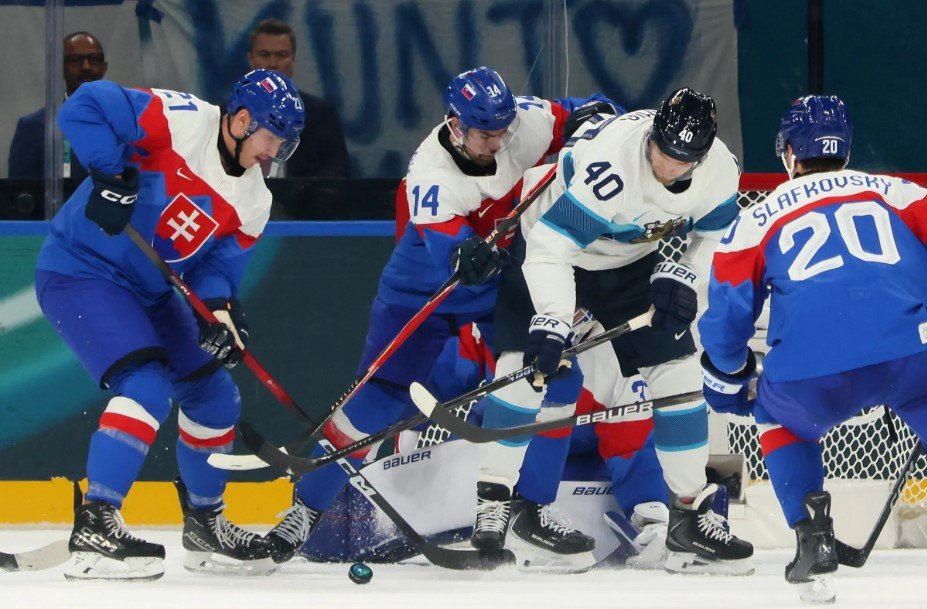
Ice hockey has long been one of the most exciting and anticipated events at the Winter Olympics. Known for its fast-paced action, intense rivalries, and dramatic finishes, Olympic ice hockey attracts millions of viewers from around the world. Fans eagerly follow the ice hockey at the Olympic Games schedule and results to keep track of their favorite teams, standout players, and medal contenders.
The Olympic ice hockey tournament brings together the world’s best hockey nations, creating a stage where legends are made and unforgettable moments are born. Countries such as Canada, the United States, Sweden, Finland, and others consistently compete at the highest level, making every match meaningful. Understanding the ice hockey at the Olympic Games schedule and results helps fans stay informed throughout the tournament and appreciate how teams progress toward the medal rounds.
As the Winter Olympics continue to evolve, the competition remains one of the premier international hockey events. This guide explores the tournament structure, schedule, results, notable performances, and what to expect from future Olympic competitions.
Understanding the Olympic Ice Hockey Tournament Format
The Olympic ice hockey tournament is designed to identify the strongest national team through a combination of group-stage and knockout-round competition. Teams qualify through international rankings and qualification tournaments, ensuring that only the most competitive nations participate.
The tournament typically begins with preliminary group-stage matches. During this phase, teams are divided into groups and compete against one another to determine seeding for the elimination rounds. Every game matters because strong group-stage performances can lead to more favorable matchups later in the tournament.
The knockout rounds introduce a higher level of intensity. Single-elimination games mean that one loss can end a team’s hopes of winning a medal. This format often produces thrilling contests and unexpected upsets, which is one reason why the ice hockey at the Olympic Games schedule and results receive such close attention from fans and analysts.
Why Olympic Ice Hockey Is So Popular
Olympic ice hockey combines national pride with elite-level competition. Unlike professional leagues where players represent clubs, Olympic athletes compete for their countries, creating an emotional connection for both players and supporters.
The tournament also showcases different playing styles from around the world. North American teams often emphasize physicality and speed, while European teams may focus more on puck possession and tactical execution. These contrasting approaches create fascinating matchups and contribute to the excitement surrounding the ice hockey at the Olympic Games schedule and results.
Another reason for the event’s popularity is its unpredictability. While traditional powerhouse nations frequently contend for medals, underdog teams have occasionally delivered memorable performances that captured global attention.
Recent Olympic Ice Hockey Overview
Recent Olympic tournaments have demonstrated the growing competitiveness of international hockey. Nations outside the traditional powerhouses have improved significantly, creating a more balanced field. Fans now witness highly competitive games from the opening round through the gold-medal match.
The most recent Olympic competitions featured exceptional goaltending, disciplined defensive systems, and impressive offensive talent. Several matches were decided by narrow margins, emphasizing how small details can determine success at the highest level.
As interest continues to grow, more fans are searching for updated information about ice hockey at the Olympic Games schedule and results to stay connected with tournament developments and emerging storylines.
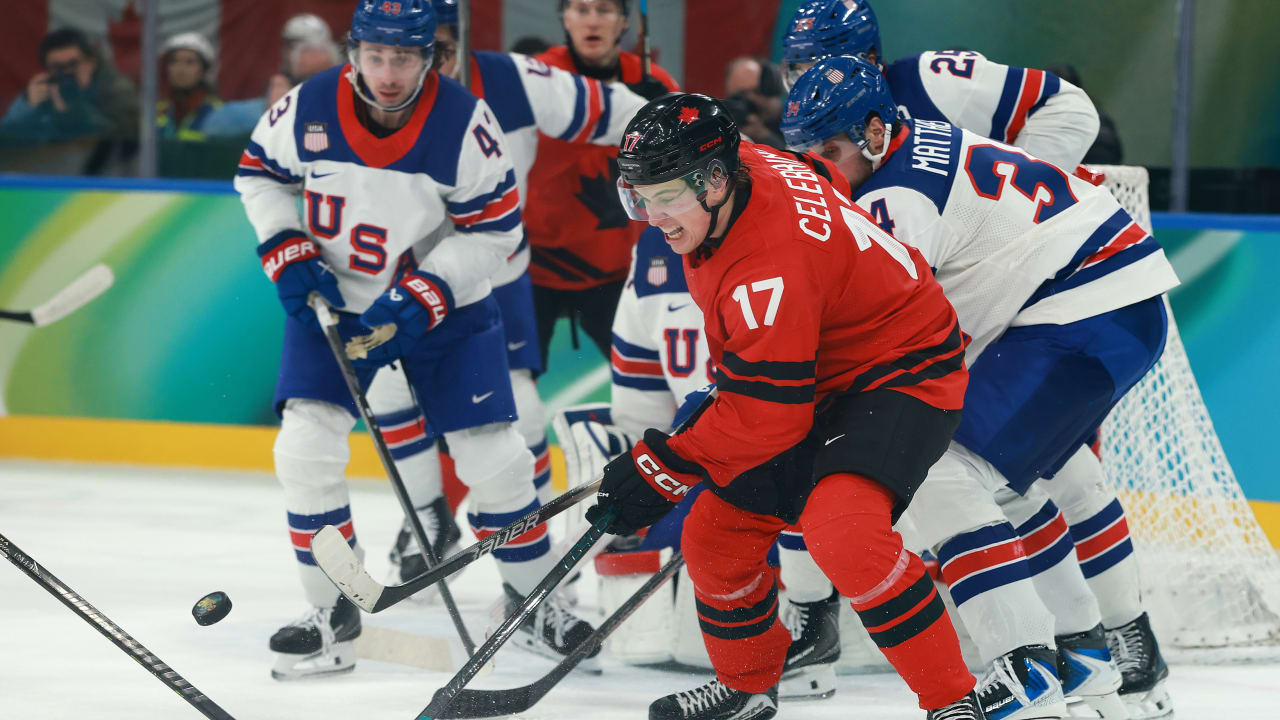
Olympic Ice Hockey Tournament Stages
Preliminary Round
The preliminary round serves as the foundation of the tournament. Teams compete in a round-robin format, earning points based on wins and overtime results. The standings established during this phase determine playoff positioning.
Strong performances in the preliminary round can provide significant advantages. Higher-seeded teams may receive easier paths through the elimination rounds, making every game strategically important.
Quarterfinals
The quarterfinals mark the beginning of the true medal chase. Teams must elevate their performance levels because a single mistake can end their Olympic journey. These games often feature intense defensive battles and spectacular individual performances.
Semifinals
Semifinal matchups frequently involve the world’s top-ranked hockey nations. The pressure increases dramatically as teams compete for a place in the gold-medal game. Victories at this stage guarantee at least a silver medal opportunity.
Medal Games
The bronze-medal and gold-medal games represent the culmination of years of preparation. Athletes compete not only for medals but also for the chance to represent their countries on one of sport’s biggest stages. The outcomes of these games become the defining entries in the official ice hockey at the Olympic Games schedule and results records.
Typical Olympic Ice Hockey Schedule
The following table illustrates a typical Olympic ice hockey tournament structure.
| Tournament Phase | Approximate Duration | Purpose |
|---|---|---|
| Preliminary Round | First Week | Group-stage competition |
| Qualification Round | Mid Tournament | Additional playoff qualification |
| Quarterfinals | Following Days | Elimination games begin |
| Semifinals | Final Week | Determine gold-medal finalists |
| Bronze Medal Game | Final Days | Third-place playoff |
| Gold Medal Game | Final Day | Championship match |
While exact dates vary with each Winter Olympics, this structure provides a general understanding of how the tournament unfolds.
Teams That Traditionally Dominate Olympic Hockey
Several nations have established impressive Olympic hockey legacies. These countries consistently appear near the top of the ice hockey at the Olympic Games schedule and results standings due to their strong player development systems and rich hockey traditions.
- Canada remains one of the most successful nations in Olympic hockey history.
- The United States regularly competes for medals and produces elite talent.
- Sweden is known for its disciplined and technically skilled teams.
- Finland has become a consistent medal contender through strong team play.
- Czechia continues to be a respected competitor on the international stage.
These nations often enter the tournament among the favorites, though surprises remain a common part of Olympic competition.
Key Factors That Influence Results
Success in Olympic hockey depends on much more than individual talent. Team chemistry, coaching strategies, and special-teams performance often determine outcomes.
Goaltending is especially important because elite goalkeepers can single-handedly change the course of a tournament. A standout performance in a knockout game may be the difference between elimination and advancement.
Discipline also plays a crucial role. Teams that avoid unnecessary penalties and capitalize on power-play opportunities often gain a significant advantage. These factors consistently influence the ice hockey at the Olympic Games schedule and results and help explain why some teams exceed expectations.
Memorable Moments in Olympic Ice Hockey History
Olympic hockey has produced some of the most iconic moments in sports history. From dramatic overtime victories to unexpected upsets, the tournament has delivered countless unforgettable memories.
Fans often remember games where underdog nations challenged established powers. These moments showcase the unique nature of Olympic competition, where national pride and determination can overcome significant odds.
Historic gold-medal matches have also contributed to the tournament’s legacy. Many of these contests are still discussed years later because of their intensity, skill, and emotional significance.

Following Current Schedule and Results
For modern hockey fans, staying informed has never been easier. Official Olympic updates, sports broadcasters, and major news outlets provide detailed coverage throughout the tournament.
When tracking the ice hockey at the Olympic Games schedule and results, fans typically focus on several key details:
- Group standings and point totals.
- Quarterfinal and semifinal matchups.
- Medal-round qualification scenarios.
- Individual player statistics and performances.
These updates help supporters understand the tournament’s progression and identify potential championship contenders.
Women’s Olympic Ice Hockey
Women’s Olympic ice hockey has experienced remarkable growth since becoming part of the Winter Olympics. The competition now attracts global attention and features some of the sport’s most talented athletes.
The rivalry between leading nations has produced numerous memorable games. High skill levels, strategic sophistication, and increasing international depth have elevated the quality of competition. As a result, interest in women’s ice hockey at the Olympic Games schedule and results continues to rise.
Many emerging hockey nations are investing heavily in women’s development programs, which should make future tournaments even more competitive.
Future Expectations for Olympic Ice Hockey
Looking ahead, Olympic ice hockey is expected to remain one of the Winter Games’ marquee events. Improvements in player development, international competition, and global participation are strengthening the sport worldwide.
Future tournaments will likely feature even greater parity among nations. As more countries develop elite hockey programs, the competition for medals will become increasingly intense. This evolution will make following the ice hockey at the Olympic Games schedule and results even more exciting for fans around the globe.
The continued growth of both men’s and women’s tournaments ensures that Olympic hockey will remain a major attraction for future generations.
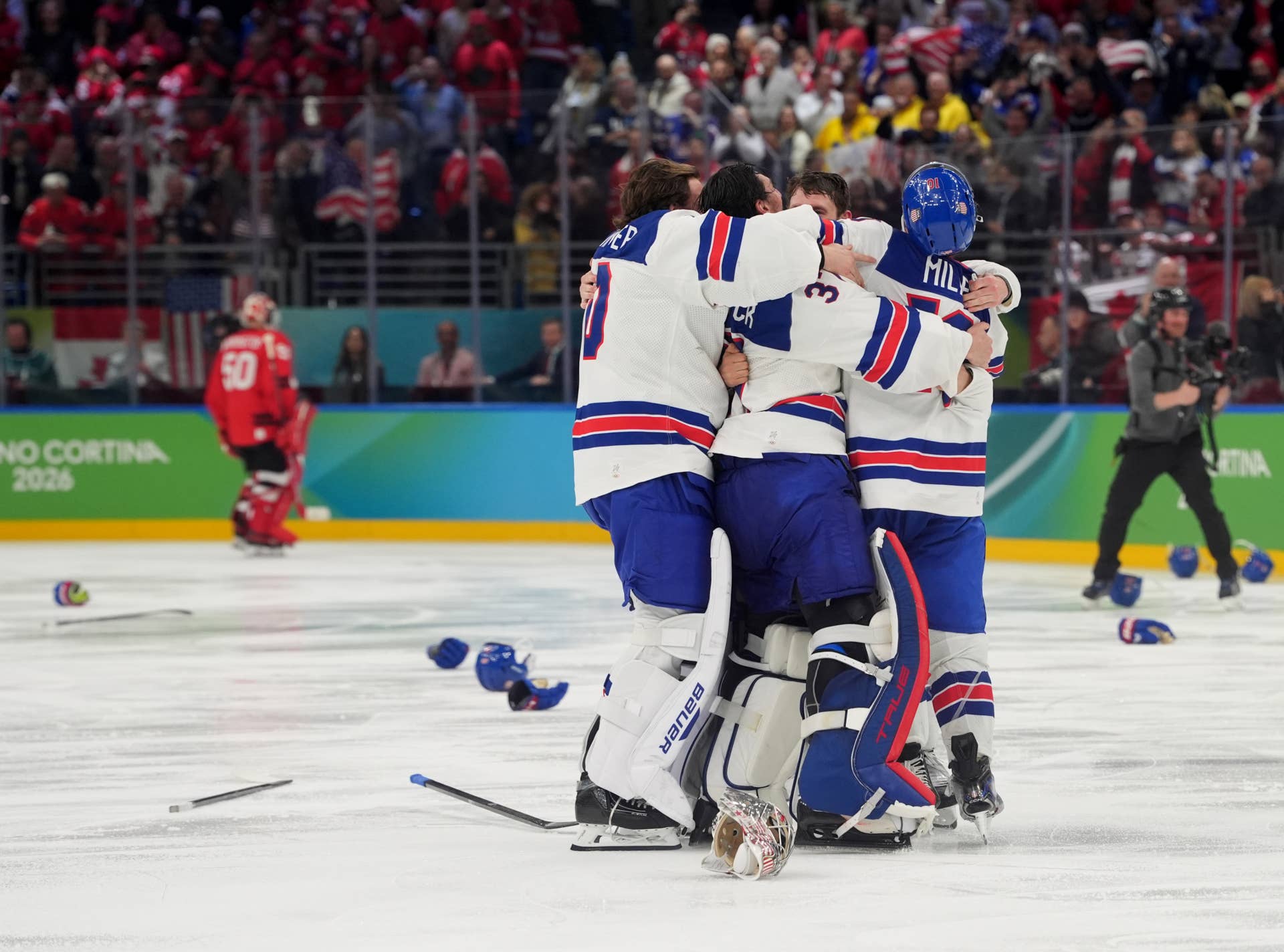
FAQs
What is the format of Olympic ice hockey?
Olympic ice hockey generally consists of a preliminary group stage followed by knockout rounds. Teams compete for seeding before advancing to elimination games that determine the medal winners.
Which country has the strongest Olympic hockey history?
Canada is widely recognized as one of the most successful nations in Olympic hockey history due to its numerous medal-winning performances and long-standing hockey tradition.
How often is Olympic ice hockey held?
Olympic ice hockey is held every four years as part of the Winter Olympic Games, bringing together the world’s top national teams.
Why are Olympic hockey results important?
Olympic results represent the highest level of international competition and often define the legacy of players, coaches, and national programs.
Does the Olympic tournament include both men’s and women’s events?
Yes. The Winter Olympics feature separate men’s and women’s ice hockey tournaments, both of which attract significant international attention.
Where can fans check the latest schedule and results?
Fans can follow official Olympic coverage, major sports broadcasters, and recognized sports media platforms for updated information on ice hockey at the Olympic Games schedule and results.
Conclusion
The ice hockey at the Olympic Games schedule and results remain among the most closely followed aspects of the Winter Olympics. From the opening group-stage matches to the final gold-medal showdown, every game contributes to a compelling story of competition, national pride, and athletic excellence.
As international hockey continues to evolve, Olympic tournaments are becoming increasingly competitive and entertaining. Whether following powerhouse nations or cheering for emerging contenders, fans can expect thrilling action and memorable moments every time the Olympic hockey tournament takes place. Keeping track of the ice hockey at the Olympic Games schedule and results provides a deeper appreciation of the sport and helps fans stay connected to one of the world’s greatest winter sporting events.
Read More:-How Many Quarters in Hockey? Understanding Hockey Periods Explained