

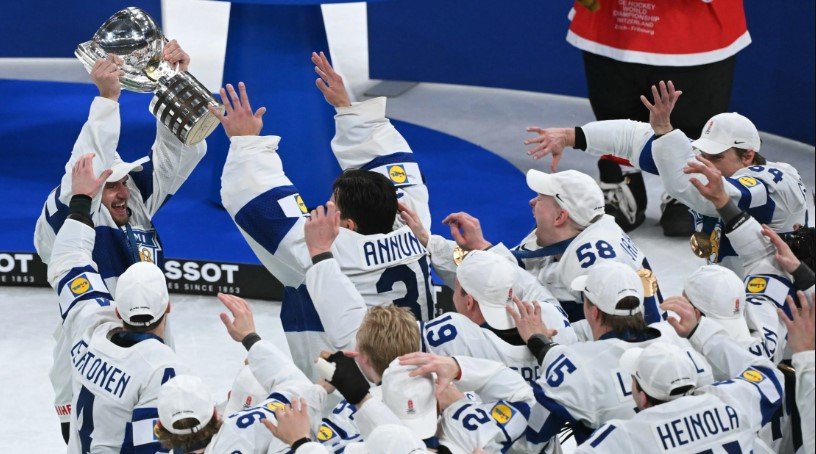
What are how many periods in hockey?
A hockey game has three periods, with each period lasting 20 minutes of playing time in most professional leagues.
Best how many periods in hockey
The official hockey format uses three periods, providing balanced gameplay, player recovery, and strategic adjustments.
How to choose how many periods in hockey
The number of periods is set by league rules. Most professional and international hockey games follow the standard three-period format.
If you’re new to hockey, one of the first questions you may ask is: how long does a game last and how is it divided? Unlike sports such as basketball or football, hockey follows a unique structure that can seem confusing to beginners.
Understanding the game’s format is important because it helps fans follow strategies, player rotations, scoring opportunities, and overtime situations. Whether you’re watching a National Hockey League game, an international tournament, or a local competition, knowing the period structure makes the experience much more enjoyable.
Hockey is one of the fastest-paced sports in the world. Every second matters, and the division of the game into periods helps maintain competitive balance while allowing players time to recover. In this guide, you’ll learn everything about hockey periods, game duration, overtime rules, and common misconceptions.
Quick Summary
- Hockey games are divided into three periods.
- Each period lasts 20 minutes in professional hockey.
- Intermissions separate each period.
- Overtime rules vary depending on the league and competition.
How Many Periods in Hockey?
The standard answer to how many periods in hockey is three periods. Professional leagues, including the NHL, IIHF international tournaments, and many amateur organizations, use a three-period structure.
Each period contains 20 minutes of actual playing time. The clock stops whenever play is halted due to penalties, goals, injuries, offsides, icing calls, or other game interruptions. As a result, a typical hockey game often lasts between two and three hours in real time.
The three-period format differs from many other sports. Basketball uses quarters, soccer uses halves, and baseball uses innings. Hockey’s unique structure helps teams manage player fatigue while maintaining a high level of intensity throughout the game.
Why Does Hockey Have Three Periods?
The three-period system was introduced to improve ice conditions and player performance. In the early days of hockey, games often consisted of two halves. However, maintaining quality ice became difficult as players skated continuously for long periods.
By dividing the game into three periods, arena staff gained opportunities to resurface the ice during intermissions. Better ice conditions led to faster gameplay, improved puck movement, and reduced player injuries.
Today, the three-period format has become a fundamental part of hockey culture and strategy. Coaches use intermissions to adjust tactics, review game plans, and prepare players for the next phase of competition.
Length of Hockey Periods
The duration of periods varies slightly depending on the league and level of competition.
| Competition Level | Period Length | Number of Periods |
|---|---|---|
| NHL | 20 Minutes | 3 |
| IIHF International | 20 Minutes | 3 |
| College Hockey | 20 Minutes | 3 |
| Youth Hockey | 12–20 Minutes | 3 |
| Recreational Hockey | 10–20 Minutes | 3 |
Although period lengths may differ, the three-period structure remains consistent across most organized hockey leagues.
What Happens Between Periods?
Between periods, teams receive an intermission break. In the NHL, intermissions typically last around 15 to 18 minutes.
During this time, several important activities take place:
- Ice resurfacing by the Zamboni
- Team strategy discussions
- Player hydration and recovery
- Equipment adjustments
These breaks are essential because hockey is physically demanding. Players often skate several miles during a single game while performing rapid accelerations, stops, and directional changes.
Understanding Overtime in Hockey
Many fans who learn how many periods in hockey also wonder what happens when the score is tied after regulation.
Overtime rules vary depending on the league. In the NHL regular season, teams play a five-minute sudden-death overtime period. If neither team scores, the game proceeds to a shootout.
In playoff hockey, overtime is much different. Additional 20-minute periods are played until one team scores. This sudden-death format has produced some of the most memorable moments in hockey history.
International tournaments may use alternative overtime formats depending on competition rules and stages.

Real-Life Example of Hockey Period Structure
Imagine an NHL game between two evenly matched teams. The first period ends with a score of 1-1. During the intermission, coaches analyze player matchups and defensive strategies.
The second period sees increased offensive pressure, leading to more scoring chances. By the third period, fatigue begins to influence decision-making, making coaching adjustments even more critical.
If the teams remain tied after regulation, overtime creates immediate excitement because the next goal wins the game. This structure keeps fans engaged from the opening faceoff to the final whistle.
Strategy and Period Management
Hockey coaches often treat each period differently. Early periods focus on establishing momentum and evaluating opponents. Middle periods emphasize tactical adjustments, while third periods frequently become more defensive when teams protect leads.
Statistics show that scoring rates often increase during the third period because teams become more aggressive when trailing. This strategic evolution makes every period unique.
Many professional teams dedicate significant analytical resources to period-by-period performance metrics, including puck possession, shot attempts, faceoff wins, and scoring opportunities.
Pros and Cons of the Three-Period Format
Pros
- Maintains high-quality ice conditions
- Allows player recovery and coaching adjustments
- Keeps gameplay fast and competitive
- Enhances fan engagement
Cons
- Longer overall event duration
- Frequent stoppages may disrupt momentum
- Overtime can extend games significantly
Expert Tips for New Hockey Fans
- Watch how teams adjust strategies between periods.
- Pay attention to player line changes.
- Track shot totals during each period.
- Learn overtime and shootout rules.
- Observe how momentum shifts throughout the game.
Common Mistakes People Make
- Assuming hockey uses quarters like basketball.
- Confusing playing time with total event duration.
- Forgetting that the game clock stops frequently.
- Believing overtime rules are identical across all leagues.
Who Should Use This Information?
Anyone interested in hockey can benefit from understanding the game’s structure. New fans gain a clearer viewing experience, sports bettors can better evaluate game dynamics, fantasy sports participants improve their decision-making, and youth players develop a deeper appreciation for game strategy.
Parents introducing children to hockey also find it easier to explain game flow once they understand periods, intermissions, and overtime rules.
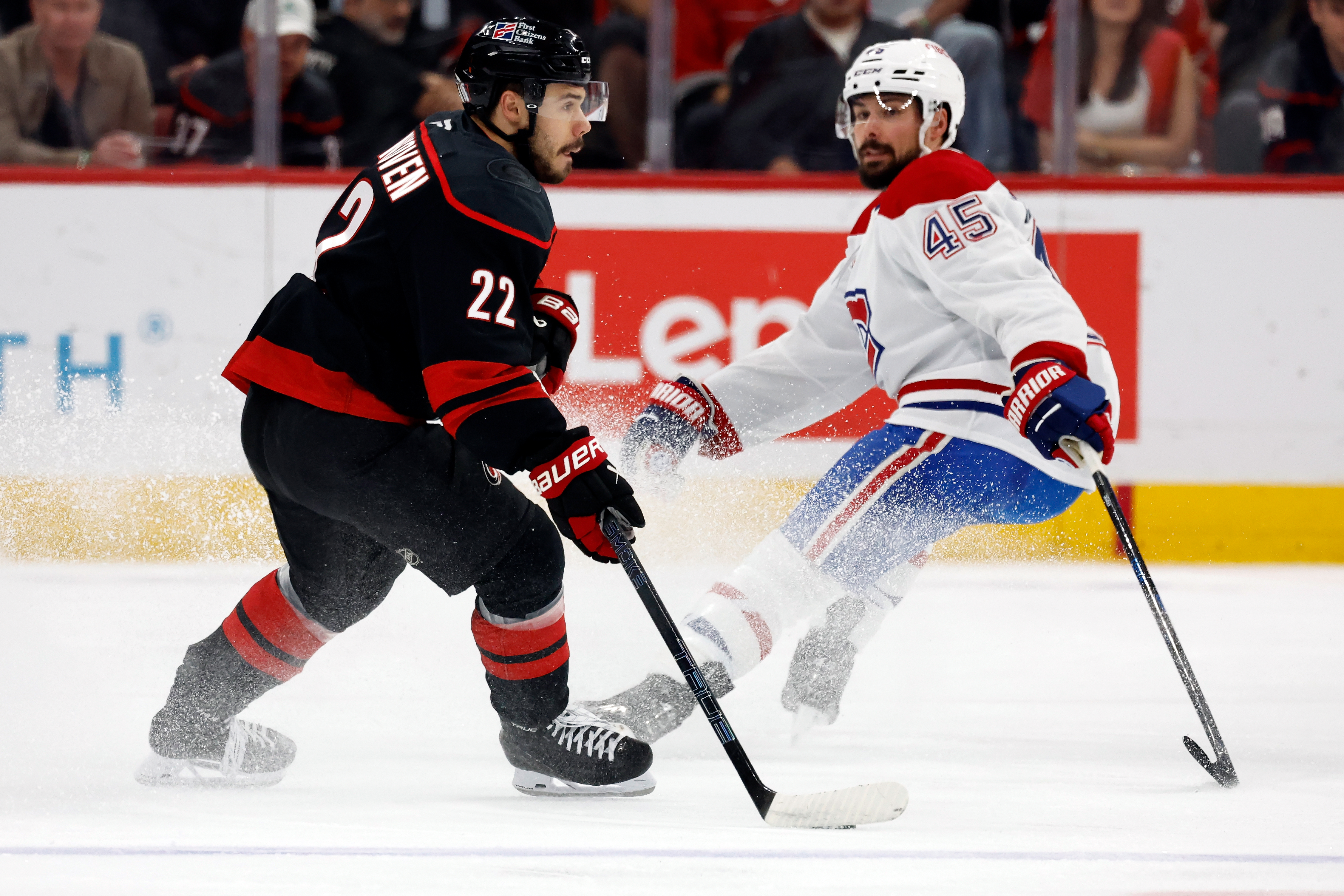
Interesting Hockey Statistics and Insights
Research shows that NHL players can skate several kilometers during a game while maintaining high-intensity effort levels. Additionally, many games are decided in the third period, highlighting the importance of endurance and strategic adjustments.
Another interesting insight is that playoff overtime games can sometimes extend beyond multiple extra periods, creating marathon contests remembered for decades.
FAQs
How many periods in hockey are played in the NHL?
The NHL uses three regulation periods, each lasting 20 minutes of playing time.
Are hockey periods longer than basketball quarters?
Yes. Professional hockey periods are 20 minutes long, while basketball quarters are typically 12 minutes in the NBA.
What is the total playing time in hockey?
Regulation hockey consists of 60 minutes of playing time divided into three periods.
Can hockey games go beyond three periods?
Yes. Tied games may enter overtime, and playoff games can include multiple overtime periods.
Why are intermissions important?
Intermissions allow ice resurfacing, player recovery, and strategic coaching adjustments.
Summary Recap
Hockey uses a three-period structure that has become a defining feature of the sport. Each period contributes to game flow, player management, and strategic decision-making. Intermissions improve ice conditions, while overtime adds excitement when games remain tied after regulation.
Conclusion
Understanding how many periods in hockey helps fans appreciate the sport on a deeper level. Hockey games consist of three fast-paced periods that balance player endurance, strategy, and entertainment. Whether you’re watching your first game or becoming a dedicated fan, knowing the period structure makes every goal, save, and overtime moment more meaningful and enjoyable.
Read More:-Ice Hockey at the Olympic Games Schedule and Results: Complete Guide