

Introduction
Ever watched a perfectly tuned car launch down a drag strip or slide through a drift corner with surgical precision? That blend of engineering, skill, and adrenaline is what makes motorsports so captivating. For many enthusiasts, standard driving is only the beginning — the real excitement starts when performance, customization, and competition come together.
Today, the world of specialty motorsports is bigger than ever. From grassroots autocross events to professional drift competitions and desert rallies, drivers have countless ways to push machines beyond factory limits. Advances in engine tuning, suspension technology, lightweight materials, and data analytics have made high-performance driving more accessible than it was a decade ago.
This guide breaks down the major disciplines, vehicle setups, costs, benefits, and mistakes to avoid so you can understand where you fit into the motorsports world.
-
Specialty motorsports covers niche racing and performance disciplines like drifting, drag racing, and off-road competition.
-
Choosing the right discipline depends on budget, vehicle type, local events, and driving goals.
-
Safety gear, maintenance, and driver training are essential for long-term success.
-
Beginners should start with grassroots events before investing heavily in modifications.
Unlike mainstream racing series, specialty disciplines focus on a specific style of driving or vehicle performance. The cars are often heavily modified with upgraded engines, suspension systems, tires, brakes, and aerodynamic components. Drivers also develop discipline-specific techniques, whether that is clutch-kicking in drifting or managing traction in drag racing.
Another key difference is community culture. Many specialty scenes are grassroots-driven, with local clubs, weekend events, and enthusiast forums playing a major role. This creates an environment where beginners can learn directly from experienced drivers and mechanics.
Popular Specialty Motorsports Disciplines
Drag Racing
Drag racing is all about acceleration and reaction time. Cars compete over a short straight distance, most commonly a quarter-mile. Success depends on power delivery, traction, launch control, and quick gear changes.
Modern drag cars use high-horsepower engines, sticky drag radials, reinforced drivetrains, and suspension setups designed to transfer weight to the rear wheels. Even street-legal cars can participate in bracket racing at local tracks.
Best for:
-
Drivers who love raw speed and engine performance
-
Enthusiasts interested in turbocharging, supercharging, and tuning
-
Competitors who prefer short, intense races
Drifting
Drifting rewards car control and style rather than outright speed. Drivers intentionally induce oversteer and maintain controlled slides through corners while judges score angle, line, speed, and execution.
Rear-wheel-drive cars dominate the sport because they allow easier control of wheel spin. Common upgrades include limited-slip differentials, coilover suspension, steering angle kits, and performance tires.
Best for:
-
Drivers who enjoy technical driving and vehicle balance
-
Enthusiasts interested in suspension tuning and chassis dynamics
-
People who value creativity and driving style
Off-Road Racing
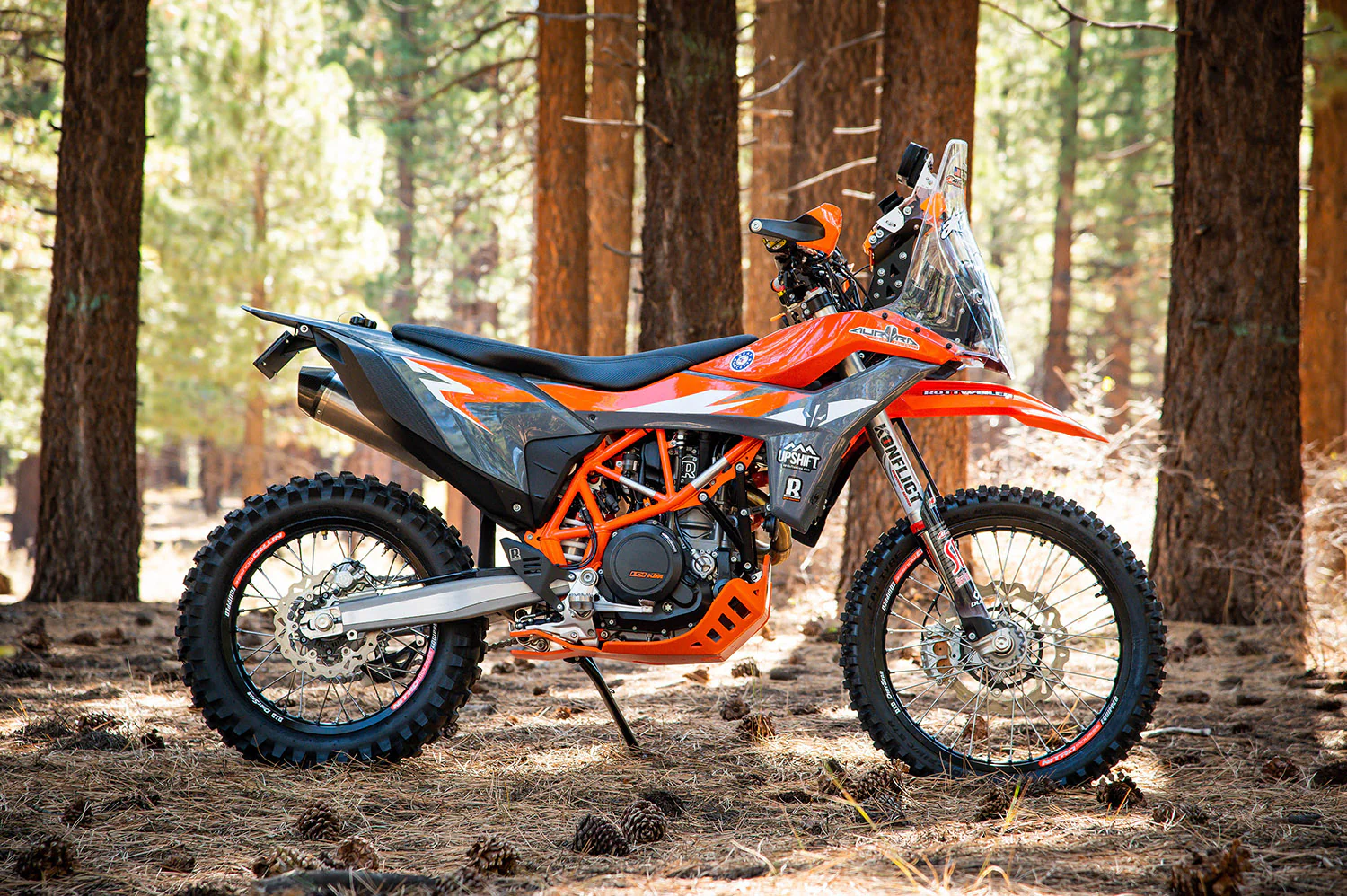
Off-road racing includes desert racing, rally raid, rock crawling, and short-course competition. Vehicles are built to handle rough terrain, jumps, mud, sand, and extreme suspension travel.
Key modifications often include reinforced frames, skid plates, long-travel suspension, all-terrain tires, and upgraded cooling systems. Reliability is just as important as speed because races can last for hours.
Best for:
-
Adventure-focused drivers
-
Enthusiasts who enjoy trucks, SUVs, and rugged terrain
-
Competitors looking for endurance-based challenges
Time Attack and Track Days
Time attack focuses on setting the fastest lap time on a road course. Drivers compete individually against the clock, making it one of the safest and most accessible forms of motorsport.
Cars emphasize balanced performance: strong braking, precise handling, cooling efficiency, and consistent tire grip. Data logging and telemetry are commonly used to improve lap times.
Best for:
-
Drivers who enjoy precision and continuous improvement
-
Enthusiasts interested in road-course performance
-
People seeking a structured learning environment
Comparing Major Disciplines
|
Discipline |
Typical Cost |
Skill Focus |
Vehicle Type |
|---|---|---|---|
|
Drag Racing |
Medium to High |
Launch and acceleration |
Muscle cars, sport compacts |
|
Drifting |
Medium |
Car control and style |
Rear-wheel-drive coupes |
|
Off-Road Racing |
High |
Endurance and terrain handling |
Trucks, SUVs, buggies |
|
Time Attack |
Medium to High |
Precision and consistency |
Sports cars, track builds |
Building a Specialty Motorsports Car
A successful build starts with a clear goal. Many beginners make the mistake of buying random performance parts without a plan, which often leads to unreliable or unbalanced cars.
Engine and Power Upgrades
Performance tuning may include intake systems, exhaust upgrades, ECU tuning, turbochargers, or superchargers. However, more horsepower is not always better. A car with moderate power and excellent traction can outperform a high-horsepower car that cannot put power to the ground.
Suspension and Handling
Coilovers, sway bars, bushings, and alignment settings dramatically affect handling. For drifting, steering angle and rear traction balance are critical. For track use, consistent grip and braking stability matter most.
Brakes and Tires
Tires are often the single most important performance upgrade. High-quality performance tires improve grip, braking distance, and lap consistency. Upgraded brake pads, fluid, and rotors help manage heat during repeated hard use.
Safety Equipment
As speeds increase, safety becomes non-negotiable. Common equipment includes helmets, racing seats, harnesses, roll cages, fire extinguishers, and racing suits. Many sanctioned events require specific certifications for safety gear.
Real-Life Example: From Street Car to Weekend Racer
Consider a driver who starts with a stock rear-wheel-drive coupe and wants to enter local drift events. Instead of immediately installing a massive turbo kit, they begin with maintenance, quality tires, coilovers, and a limited-slip differential. After gaining seat time at practice events, they add steering angle modifications and mild engine tuning.
This phased approach keeps costs manageable, improves reliability, and allows the driver’s skills to grow alongside the car. It is a common path in specialty motorsports because driver development is just as important as vehicle modifications.

Pros and Cons of Specialty Motorsports
Pros
-
Develops advanced driving skills
-
Offers a strong enthusiast community
-
Provides measurable performance goals
-
Encourages mechanical knowledge and problem-solving
Cons
-
Can become expensive quickly
-
Requires ongoing maintenance and repairs
-
Safety risks are higher than normal driving
-
Track access may be limited depending on location
Expert Tips for Beginners
Start with driver training.
A skilled driver in a modest car is usually faster and safer than an untrained driver in a heavily modified car.
Prioritize reliability.
Complete maintenance before adding power upgrades. Cooling, fluids, and brakes should be addressed first.
Set a realistic budget.
Include tires, fuel, entry fees, and repairs — not just parts purchases.
Use quality safety gear.
A certified helmet and proper seating are essential investments.
Track your progress.
Lap times, tire temperatures, and video analysis can reveal improvements more effectively than adding random modifications.
Common Mistakes to Avoid
-
Overpowering the car before improving handling and brakes
-
Ignoring alignment and suspension setup
-
Using mismatched or low-quality tires
-
Skipping safety inspections before events
-
Chasing trends instead of building for a specific goal
Who Should Use Specialty Motorsports?
Specialty motorsports is ideal for automotive enthusiasts who want more than casual driving. It suits people who enjoy hands-on mechanical work, competitive environments, and continuous skill development. Whether you are drawn to the precision of track driving, the creativity of drifting, or the adventure of off-road racing, there is likely a discipline that matches your personality and budget.
Industry Insights and Trends
The motorsports aftermarket continues to grow globally, driven by enthusiast demand for performance parts, tuning software, and track-day experiences. Sim racing has also become a major gateway into real-world motorsports, helping new drivers learn racing lines, braking points, and vehicle dynamics before attending physical events.
Electric performance vehicles are beginning to influence the scene as well. While internal combustion engines still dominate most grassroots categories, electric drivetrains are gaining attention for their instant torque and consistent power delivery.

Frequently Asked Questions
Is specialty motorsports expensive to get into?
It can be, but costs vary widely. Starting with local autocross or track days in a mostly stock car is far more affordable than building a fully competitive race car.
What car is best for beginners?
A reliable, rear-wheel-drive sports coupe is a popular choice for drifting and track use, while lightweight front-wheel-drive cars work well for autocross and entry-level track events.
Do I need mechanical knowledge?
Basic mechanical knowledge is helpful because motorsports vehicles require regular maintenance and troubleshooting, but many beginners learn gradually through the community.
How important are tires?
Extremely important. Tires affect grip, braking, steering response, and consistency more than most bolt-on power upgrades.
Can I daily drive a motorsports build?
Yes, but there is a trade-off. Aggressive suspension, loud exhausts, and racing components can reduce comfort and practicality for everyday use.
Specialty motorsports offers a wide range of high-performance driving experiences, from drag racing and drifting to off-road competition and time attack. Success depends on matching the discipline to your goals, building a balanced car, prioritizing safety, and developing your driving skills over time. Starting small and learning gradually is usually the smartest path.
The appeal of specialty motorsports is not just speed — it is the combination of engineering, discipline, community, and personal growth. Whether you want the thrill of a perfect drift, the precision of a fast lap, or the challenge of conquering rough terrain, there is a motorsport niche that can transform the way you experience driving. Start with a clear goal, invest in safety and training, and let your skills evolve with your car.
Read More:- Atech Motorsports: Performance Engineering & Racing Innovation