

Introduction
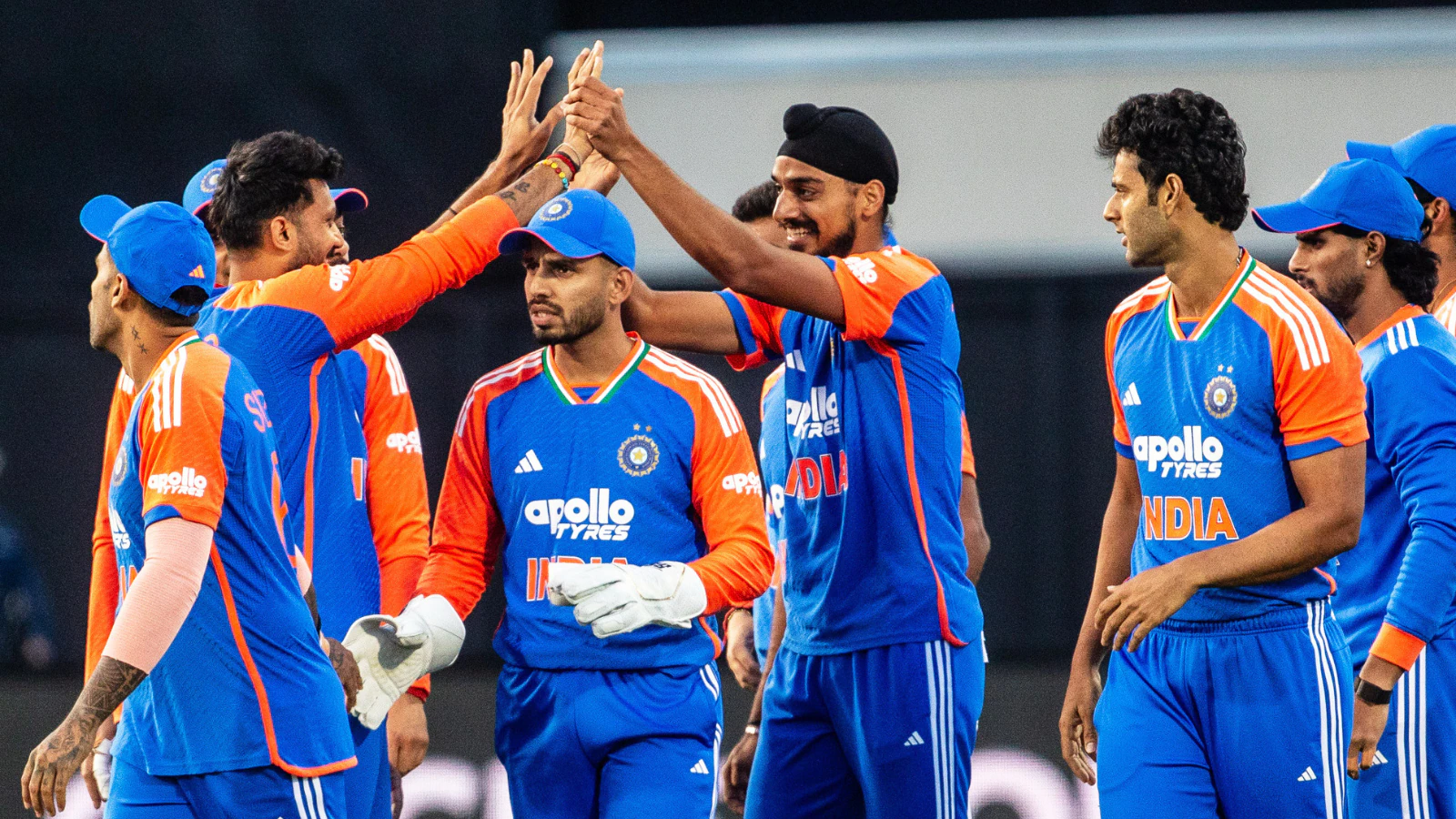
Cricket matches between Australia and India are among the most exciting contests in international sports. Both teams have established themselves as powerful competitors through outstanding batting performances, disciplined bowling attacks, and remarkable achievements across different formats. Whenever these cricketing giants meet, millions of supporters eagerly follow the action, expecting thrilling moments and unforgettable performances. The australian men’s cricket team vs india national cricket team match scorecard provides valuable information about individual contributions, team totals, partnerships, bowling figures, and match results. Beyond displaying runs and wickets, a detailed scorecard reveals how the contest developed and which performances influenced the outcome. Whether the match belongs to Test cricket, One Day Internationals, or Twenty20 Internationals, understanding its statistics helps supporters appreciate the strategies used by both sides. This article explores the importance of match scorecards, batting and bowling performances, historical rivalries, and the key factors that make Australia versus India encounters so competitive.
Historical Background of Australia vs India Cricket Rivalry
The cricketing rivalry between Australia and India has developed significantly over several decades. Their first Test encounter took place in 1947, beginning a competitive relationship that eventually became one of international cricket’s most celebrated rivalries. Initially, Australia enjoyed considerable success because of its experienced players, strong bowling attacks, and established cricketing infrastructure. However, India’s development into a formidable cricketing nation gradually transformed the balance of competition. The emergence of talented Indian batters, skilled spin bowlers, and effective fast bowlers made encounters increasingly unpredictable. Memorable Test series, dramatic ODI finishes, and important tournament meetings have strengthened this rivalry. Both countries have produced legendary cricketers whose performances continue to influence younger generations. Today, their matches represent more than a competition for victory. They demonstrate tactical intelligence, sporting determination, and the ability to perform under intense pressure. Historical results also provide useful context when evaluating current match performances and understanding the evolution of both teams.
Understanding the Australia vs India Match Scorecard
A cricket scorecard presents a structured record of everything important that happens during a match. It includes the runs scored by individual batters, the number of balls faced, boundaries, strike rates, bowling figures, dismissals, and overall team totals. The australian men’s cricket team vs india national cricket team match scorecard is particularly useful because it allows supporters to compare the performances of two highly competitive teams. In limited-overs cricket, the scorecard highlights run rates, wickets lost, and overs remaining, while Test scorecards provide additional information about multiple innings and longer batting partnerships. Extras such as wides, no-balls, byes, and leg-byes also contribute to the final total. Bowling statistics reveal how effectively players controlled scoring opportunities and created breakthroughs. A complete scorecard additionally records catches, run-outs, and other fielding contributions. Understanding these details enables cricket followers to identify turning points and evaluate performances beyond the final result.
Batting Performances and Their Influence on the Match
Batting performances frequently determine the direction of Australia versus India encounters. Both teams possess players capable of building substantial innings, accelerating scoring rates, and responding effectively to difficult match situations. Opening batters play an essential role because their partnerships establish the foundation for the remaining innings. A successful opening combination can reduce pressure on middle-order players while creating opportunities for aggressive batting later. However, early dismissals may force a team to adopt a more cautious approach. Middle-order batters must often balance stability with attacking intent, particularly when facing high-quality bowling attacks. Experienced players such as Virat Kohli, Rohit Sharma, Steve Smith, and Travis Head have demonstrated their ability to influence important contests across different periods. Batting statistics become especially meaningful when examined alongside pitch conditions, required run rates, and the strength of the opposition. A carefully constructed innings can sometimes be more valuable than a faster individual score.
Bowling Statistics and Important Wicket-Taking Moments
Bowling is equally important in determining the outcome of matches between Australia and India. Both countries have developed impressive fast-bowling traditions supported by talented spin specialists. Australian pace bowlers are widely recognized for their accuracy, bounce, and ability to exploit helpful pitch conditions. Indian fast bowlers have also become increasingly effective in international competitions, combining movement, pace, and disciplined line-and-length bowling. The australian men’s cricket team vs india national cricket team match scorecard highlights essential bowling figures, including overs delivered, runs conceded, wickets taken, and economy rates. These numbers help explain which bowlers successfully controlled the opposition. A bowler who takes several wickets can dramatically change the momentum of an innings, while another who restricts scoring may create pressure that leads to dismissals at the opposite end. Spin bowling becomes particularly influential on slower surfaces, where variations in flight, pace, and turn can challenge even experienced batters.
Fielding Contributions and Match-Changing Moments
Fielding has become an increasingly important aspect of modern international cricket. Australia and India regularly demonstrate high standards through athletic catches, accurate throws, and energetic ground fielding. A single outstanding catch can dismiss a dangerous batter, while a direct-hit run-out may completely change the direction of a closely contested match. Fielding statistics are sometimes overlooked because traditional scorecards primarily emphasize batting and bowling figures. Nevertheless, the impact of defensive efforts can be substantial. Saving boundaries, preventing quick singles, and maintaining pressure through disciplined positioning all contribute to successful performances. Wicketkeepers also play an essential role by completing catches, executing stumpings, and supporting bowlers with tactical observations. During high-pressure encounters, missed opportunities can prove costly, especially when established batters receive additional chances. Consequently, fielding quality should be considered alongside batting and bowling performances when evaluating the overall effectiveness of either team.
Australia vs India Across Different Cricket Formats
Australia and India compete in three major international cricket formats, each demanding different skills and strategies. Test cricket emphasizes patience, technical consistency, physical endurance, and the ability to adapt over several days. ODI cricket requires teams to balance aggressive scoring with careful wicket management across fifty overs. T20 cricket, meanwhile, places greater emphasis on immediate impact, innovative stroke play, and precise bowling execution. The australian men’s cricket team vs india national cricket team match scorecard can therefore look significantly different depending on the format being played. A strike rate considered excellent in Test cricket may appear conservative in T20 competition. Similarly, an economy rate that is impressive in an ODI may be interpreted differently in a shorter match. Understanding these distinctions helps supporters evaluate individual contributions fairly. Although the playing conditions vary, both teams consistently demonstrate competitive determination, strategic preparation, and the ability to produce memorable performances.
Memorable Australia vs India Cricket Encounters
Several historical encounters have contributed to the popularity of this international rivalry. The 2001 Kolkata Test remains particularly significant because India recovered from a difficult position to achieve a remarkable victory. VVS Laxman and Rahul Dravid produced an extraordinary partnership that transformed the match and demonstrated the importance of resilience in Test cricket. Another unforgettable contest occurred during the 2020–21 Border-Gavaskar Trophy, when India secured a historic series victory in Australia despite injuries and significant challenges. The decisive Brisbane Test highlighted the determination of a relatively inexperienced Indian side. Australia also achieved an important victory against India in the 2023 ICC Men’s Cricket World Cup final, demonstrating its ability to perform in major tournaments. These encounters reveal how individual brilliance, teamwork, and tactical decisions shape results. They also explain why supporters eagerly anticipate future meetings between these two cricketing nations.
Importance of Partnerships and Run Rates
Partnerships play a central role in determining whether a team establishes a competitive total or successfully completes a run chase. When two batters remain together for an extended period, they can gradually reduce the effectiveness of the opposition’s bowling attack. Strong partnerships also allow incoming players to approach their innings with greater confidence. The australian men’s cricket team vs india national cricket team match scorecard helps identify important partnerships and their contributions to the overall result. In limited-overs matches, run rate becomes particularly important because teams must score within a fixed number of deliveries. The required run rate during a chase indicates how quickly the batting side must accumulate runs to reach its target. A sudden increase can create pressure, encouraging risky shots and potentially causing wickets to fall. Conversely, consistent boundary scoring and intelligent running between wickets can keep a chase manageable. Analyzing partnerships alongside scoring rates provides a clearer understanding of match momentum.
Role of Captains and Tactical Decisions
Leadership is another important factor in high-profile international cricket matches. Captains must make decisions about batting orders, bowling changes, field placements, and the timing of aggressive strategies. These decisions often influence the match as significantly as individual performances. For example, introducing a spin bowler during the middle overs may reduce the opposition’s scoring rate, while bringing back a leading fast bowler can create opportunities for crucial wickets. Batting captains must also evaluate whether their teams should attack immediately or preserve wickets for later stages. Toss decisions become especially important when pitch conditions, weather, or expected changes in the playing surface influence the match. Successful leadership requires clear communication, confidence, and an understanding of individual players’ strengths. Both Australia and India have benefited from influential captains who combined tactical awareness with the ability to motivate teammates during challenging situations. Effective captaincy can transform a competitive performance into a match-winning effort.
Pitch Conditions and Their Impact on the Scorecard
Pitch conditions significantly influence batting totals, bowling figures, and the overall style of a cricket match. Australian grounds are often associated with pace and bounce, although conditions differ considerably between venues. Indian pitches can offer excellent batting opportunities, while some surfaces gradually provide greater assistance to spin bowlers. These differences influence how teams select their playing elevens and develop their strategies. On a fast surface, batters must respond quickly to short-pitched deliveries, whereas slower conditions may require greater patience and precise shot selection. Weather conditions can also affect movement through the air, especially when humidity and cloud cover assist swing bowling. The australian men’s cricket team vs india national cricket team match scorecard becomes more meaningful when examined alongside these environmental factors. A modest total on a difficult pitch may represent a stronger batting performance than a much larger score on a surface offering little assistance to bowlers.
How Cricket Fans Can Analyze Match Statistics
Understanding cricket statistics allows supporters to appreciate the game beyond simply identifying the winning team. A complete scorecard provides several indicators that help explain how a match developed. Batting averages, strike rates, bowling economy rates, and wicket-taking performances all contribute to a broader evaluation. However, individual statistics should always be considered within the circumstances of the match. A batter who scores forty runs under difficult conditions may have contributed more significantly than someone scoring seventy on an exceptionally favorable surface. Similarly, a bowler who takes one important wicket while conceding very few runs can be more influential than another who collects several wickets after the contest is effectively decided. Supporters can also examine the timing of dismissals, the progression of partnerships, and the scoring patterns during different phases. Combining these observations provides a balanced assessment of individual performances and team strategies.
Future Expectations for Australia vs India Matches
The future of Australia versus India cricket promises continued excitement as both countries develop talented players and strengthen their international squads. Young batters are increasingly demonstrating aggressive techniques, while modern bowlers are developing variations to challenge opponents across different formats. Fitness standards, data analysis, and improved training methods are also transforming the way international teams prepare for major contests. The australian men’s cricket team vs india national cricket team match scorecard will remain an important resource for supporters interested in evaluating these developments. Future encounters may feature new rivalries between emerging players, innovative tactical approaches, and memorable individual performances. Both countries possess strong domestic cricket systems that regularly produce players capable of competing internationally. As cricket continues to evolve, their meetings are likely to remain significant events on the global sporting calendar. The combination of competitive history, passionate supporters, and exceptional talent ensures that this rivalry retains its importance.
Conclusion
Australia and India have established one of the most compelling rivalries in international cricket through decades of competitive encounters and outstanding individual achievements. Their matches demonstrate the importance of batting partnerships, disciplined bowling, athletic fielding, effective leadership, and intelligent tactical decisions. The australian men’s cricket team vs india national cricket team match scorecard offers a detailed understanding of these elements by presenting the statistics that explain how each contest unfolds. Examining individual performances alongside pitch conditions, match situations, and team strategies provides a more complete picture than the final result alone. From memorable Test victories to exciting limited-overs encounters, both teams have consistently contributed to the development and popularity of international cricket. As new generations of players emerge, Australia versus India matches will continue to attract worldwide attention, producing exciting performances and memorable moments for cricket enthusiasts.