

Introduction
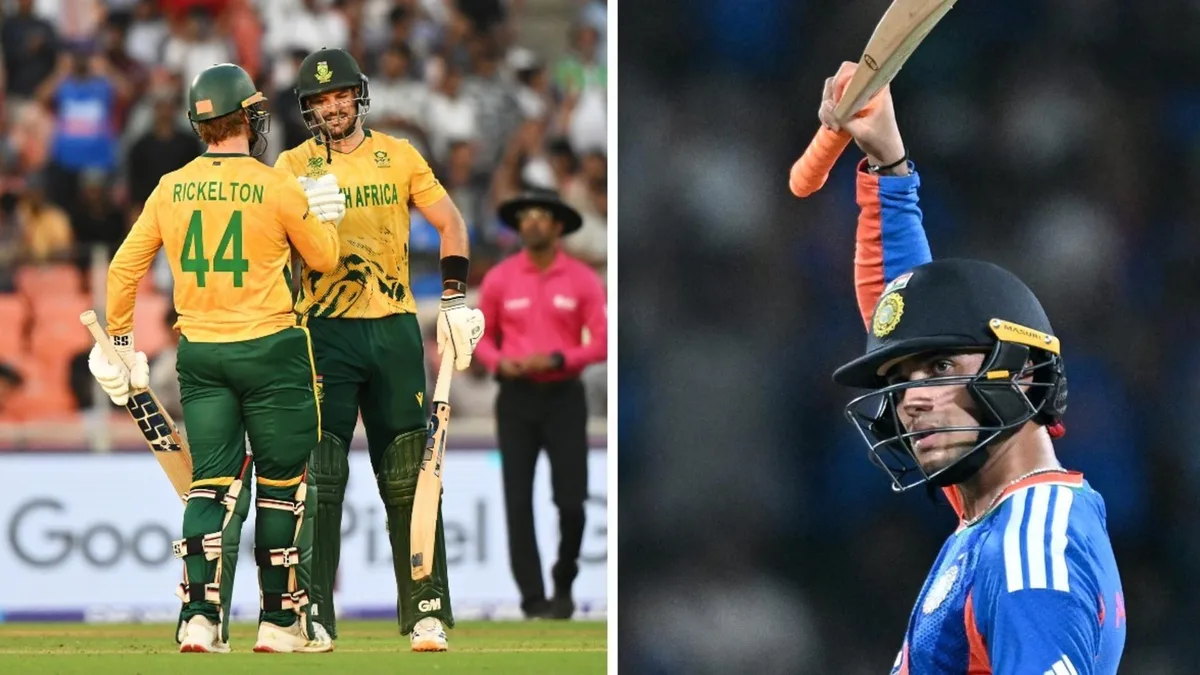
The ICC Men’s T20 World Cup 2026 delivered an exciting combination of competitive cricket, unexpected results, outstanding individual performances, and unforgettable knockout matches. Cricket enthusiasts closely followed the t20 world cup 2026 standings to understand how their favorite teams performed throughout the competition. Every victory, defeat, and change in net run rate influenced the qualification race, making the tournament particularly interesting for supporters worldwide.
The competition took place from February 7 to March 8, 2026, with India and Sri Lanka serving as co-hosts. Twenty international teams participated, competing through the initial group stage, Super Eight round, semifinals, and championship final. India ultimately lifted the trophy after defeating New Zealand by 96 runs in Ahmedabad. This achievement made India the first men’s team to successfully defend the T20 World Cup title and the first to win the tournament three times.
Understanding the T20 World Cup 2026 Tournament Format
The 2026 tournament featured a competitive structure designed to provide opportunities for established cricket nations and emerging international teams. The twenty participating countries were divided into four groups containing five teams each. During the opening stage, every team played four matches against opponents within its group, creating an early battle for qualification.
The top two teams from each group progressed to the Super Eight stage. These eight teams were divided into two additional groups, where each country competed in three matches. The leading two teams from each Super Eight group qualified for the semifinals, followed by the final between the remaining two contenders.
This structure rewarded consistent performances while allowing competitive teams to recover from occasional setbacks. Strong batting, disciplined bowling, intelligent captaincy, and effective fielding were essential throughout the competition. The format also demonstrated why tournament standings can change significantly between the opening matches and the final qualification rounds.
T20 World Cup 2026 Standings: Final Group Stage Points Table
The initial group stage produced several interesting outcomes, including impressive performances from Zimbabwe, West Indies, South Africa, and India. The following tables show the final positions and points earned by each team.
Group A Final Standings
| Position | Team | Played | Won | Points |
|---|---|---|---|---|
| 1 | India | 4 | 4 | 8 |
| 2 | Pakistan | 4 | 3 | 6 |
| 3 | United States | 4 | 2 | 4 |
| 4 | Netherlands | 4 | 1 | 2 |
| 5 | Namibia | 4 | 0 | 0 |
India dominated Group A with four consecutive victories, securing eight points and an impressive net run rate of +2.500. Pakistan finished second with three wins and six points, successfully progressing to the next stage. The United States demonstrated competitive ability with two victories but could not qualify for the Super Eight.
The Netherlands managed one victory, while Namibia completed the group stage without a win. India’s unbeaten performance highlighted its balanced combination of attacking batting and disciplined bowling. Pakistan also showed resilience despite losing to India. Group A illustrated the importance of maintaining consistency throughout the opening stage, particularly when teams faced different playing conditions and opposition strategies.
Group B Final Standings
| Position | Team | Played | Won | Points |
|---|---|---|---|---|
| 1 | Zimbabwe | 4 | 3 | 7 |
| 2 | Sri Lanka | 4 | 3 | 6 |
| 3 | Australia | 4 | 2 | 4 |
| 4 | Ireland | 4 | 1 | 3 |
| 5 | Oman | 4 | 0 | 0 |
Zimbabwe emerged as one of the tournament’s biggest surprises, finishing first in Group B with seven points. Three victories and one no-result helped Zimbabwe remain unbeaten during the opening stage. Sri Lanka secured second place with six points, while Australia experienced an unexpected early elimination after recording only two victories.
Ireland collected three points, including one from a match without a result, while Oman finished without a victory. Zimbabwe’s success demonstrated the increasing competitiveness of international T20 cricket. Its victory over Australia was especially significant because it helped reshape the qualification picture. The group showed that historical reputation alone cannot guarantee progress in major tournaments, particularly when emerging teams execute their strategies effectively.
Group C Final Standings
| Position | Team | Played | Won | Points |
|---|---|---|---|---|
| 1 | West Indies | 4 | 4 | 8 |
| 2 | England | 4 | 3 | 6 |
| 3 | Scotland | 4 | 1 | 2 |
| 4 | Italy | 4 | 1 | 2 |
| 5 | Nepal | 4 | 1 | 2 |
West Indies finished Group C undefeated with four victories and eight points. England secured second position after winning three matches, demonstrating its ability to recover and compete against challenging opponents. Scotland, Italy, and Nepal each finished with two points, with net run rate determining their positions.
Italy’s participation represented an important development for cricket in Europe, and its victory over Nepal provided a memorable achievement in its first men’s T20 World Cup appearance. West Indies impressed with aggressive batting and strong performances, while England relied on experienced players and adaptable match strategies. The results demonstrated how a combination of established teams and developing cricket nations can create entertaining international competition.
Group D Final Standings
| Position | Team | Played | Won | Points |
|---|---|---|---|---|
| 1 | South Africa | 4 | 4 | 8 |
| 2 | New Zealand | 4 | 3 | 6 |
| 3 | Afghanistan | 4 | 2 | 4 |
| 4 | United Arab Emirates | 4 | 1 | 2 |
| 5 | Canada | 4 | 0 | 0 |
South Africa dominated Group D with four victories and eight points. New Zealand followed with three wins, securing qualification for the next round. Afghanistan finished third despite producing competitive performances, while the United Arab Emirates collected two points and Canada remained winless.
South Africa’s unbeaten group-stage campaign reflected its ability to perform consistently in different match situations. New Zealand also demonstrated the disciplined cricket and tactical awareness that have frequently characterized its international performances. Afghanistan’s elimination highlighted the difficulty of qualifying from a group containing multiple strong opponents. Overall, Group D provided another example of how every match contributed to the final qualification picture.
Group-stage statistics reflect the completed 2026 tournament.
Super Eight Standings and Qualification Results
The Super Eight stage introduced another level of competition, with eight successful teams battling for four semifinal positions. The t20 world cup 2026 standings became especially important during this round because each team had only three matches to secure qualification.
Super Eight Group 1
| Position | Team | Played | Won | Points |
|---|---|---|---|---|
| 1 | South Africa | 3 | 3 | 6 |
| 2 | India | 3 | 2 | 4 |
| 3 | West Indies | 3 | 1 | 2 |
| 4 | Zimbabwe | 3 | 0 | 0 |
South Africa continued its excellent form by winning all three matches and finishing first with six points. India recovered from a defeat against South Africa to secure two important victories against Zimbabwe and West Indies.
West Indies finished third despite entering the Super Eight with an unbeaten first-round record. Zimbabwe, which had impressed during the opening stage, struggled against stronger opposition and finished without a victory. India’s ability to recover under pressure became a defining feature of its campaign.
Super Eight Group 2
| Position | Team | Played | Won | Points |
|---|---|---|---|---|
| 1 | England | 3 | 3 | 6 |
| 2 | New Zealand | 3 | 1 | 3 |
| 3 | Pakistan | 3 | 1 | 3 |
| 4 | Sri Lanka | 3 | 0 | 0 |
England finished first after winning all three matches, securing six points and an unbeaten Super Eight record. New Zealand and Pakistan both collected three points, but New Zealand advanced because of its superior net run rate.
Sri Lanka lost all three Super Eight matches and finished fourth. This group demonstrated how closely contested qualification can become when teams finish with equal points. New Zealand’s stronger net run rate ultimately proved decisive in determining the second semifinalist.
How Net Run Rate Influenced Team Rankings
Net run rate played an important role in determining positions throughout the tournament. When two or more teams finished with equal points, this statistical measurement helped separate them according to their overall scoring and run-conceding rates.
A team’s net run rate is calculated by subtracting its average runs conceded per over from its average runs scored per over, subject to tournament playing conditions. A positive figure generally indicates stronger overall scoring performance relative to the opposition.
For example, New Zealand and Pakistan finished the Super Eight with three points each. New Zealand’s net run rate of +1.390 was significantly better than Pakistan’s -0.123, allowing New Zealand to advance.
This example highlights why teams cannot focus exclusively on winning matches. The margin of victory, the speed of successful run chases, and the ability to restrict opposition scoring can all influence qualification opportunities. Understanding these calculations helps supporters interpret tournament rankings more accurately.
India’s Performance Throughout the Competition
India delivered one of the most memorable campaigns in men’s T20 World Cup history. Under captain Suryakumar Yadav, the team combined aggressive batting with disciplined bowling and strong fielding performances.
India began the competition by winning all four Group A matches. Although South Africa defeated India by 76 runs during the Super Eight, the defending champions recovered with important victories over Zimbabwe and West Indies.
The team’s success continued in the semifinal against England, where India secured a narrow seven-run victory after posting 253/7. England responded with 246/7, producing one of the tournament’s most exciting knockout contests.
India then faced New Zealand in the championship final, where its batting lineup delivered an exceptional performance. The victory confirmed India’s place among the most successful teams in the history of international T20 cricket.
Semifinal Results and Their Impact on Final Rankings
The semifinals featured South Africa against New Zealand and India against England. Both matches offered contrasting examples of knockout cricket, combining dominant performances with intense finishes.
New Zealand defeated South Africa by nine wickets in Kolkata on March 4, ending South Africa’s unbeaten tournament campaign. Finn Allen produced an extraordinary century that helped New Zealand chase its target convincingly.
The second semifinal took place on March 5 in Mumbai, where India defeated England by seven runs. India’s powerful batting performance established a challenging target, while England fought aggressively until the closing stages.
These results established India and New Zealand as the tournament’s two finalists. South Africa and England finished as semifinalists despite their excellent performances in the earlier stages. The knockout matches demonstrated that group-stage dominance does not guarantee championship success, especially in a format where one outstanding performance can transform an entire match.
India vs New Zealand: The Historic 2026 Final
The championship final took place on March 8, 2026, at Narendra Modi Stadium in Ahmedabad. India produced an outstanding batting performance, scoring 255/5 in 20 overs. New Zealand faced an enormous target but could manage only 159 runs in 19 overs, giving India a commanding 96-run victory.
Sanju Samson played a significant role in India’s batting success, while Abhishek Sharma contributed an explosive half-century. Their attacking approach helped India establish momentum during the powerplay and maintain pressure throughout the innings.
The result gave India its third men’s T20 World Cup championship, following victories in 2007 and 2024. It also made India the first nation to successfully defend the men’s title.
For New Zealand, reaching the final represented another impressive international achievement, even though the team could not overcome India’s dominant performance on the biggest stage.
Why the Final Standings Matter for International Cricket
The t20 world cup 2026 standings reveal more than tournament positions. They provide valuable insight into changing competitive strengths, team development, tactical approaches, and the increasing depth of international cricket.
India’s championship victory reinforced its position as a leading T20 nation. New Zealand demonstrated its ability to perform consistently in major tournaments, while South Africa and England displayed impressive strength before their semifinal eliminations.
Zimbabwe’s progress to the Super Eight was another important storyline, particularly after its victory over Australia. Meanwhile, the early exits of Australia and Afghanistan demonstrated the unpredictable nature of the format.
Emerging teams also gained valuable experience competing against established international opponents. These opportunities can contribute to improved player development, stronger domestic cricket structures, and greater international exposure.
Tournament results therefore serve as useful indicators for future planning, although they should never be treated as permanent measures of a country’s cricketing ability.
The Future of International T20 Cricket After 2026
The 2026 competition highlighted how rapidly international T20 cricket continues to evolve. Teams increasingly rely on flexible batting orders, specialized bowling strategies, detailed opposition analysis, and effective use of player combinations.
Modern T20 cricket demands adaptability because playing conditions, pitch behavior, and match situations can change quickly. Successful teams must balance aggressive intent with intelligent decision-making rather than depending entirely on individual performances.
The development of emerging cricket nations is another encouraging trend. Zimbabwe’s success and Italy’s maiden tournament victory demonstrated that competitive opportunities can produce meaningful progress.
The next men’s T20 World Cup is scheduled for 2028 in Australia and New Zealand, offering teams another opportunity to compete for the global title. Lessons from the 2026 competition will likely influence squad selection, preparation strategies, and tactical development across participating nations.
Conclusion
The t20 world cup 2026 standings tell the story of a memorable international cricket tournament filled with outstanding performances, unexpected eliminations, and historic achievements. India emerged as champions after defeating New Zealand by 96 runs, while South Africa and England completed the semifinal lineup.
The competition also highlighted impressive performances from Zimbabwe, West Indies, and several developing cricket nations. From the opening group matches to the championship final, every stage demonstrated the importance of consistency, adaptability, and effective teamwork.
For cricket supporters, the final points tables provide a valuable record of how each country performed and progressed. More importantly, the 2026 tournament reinforced the excitement and unpredictability that continue to make T20 cricket one of the most entertaining formats in international sport.