

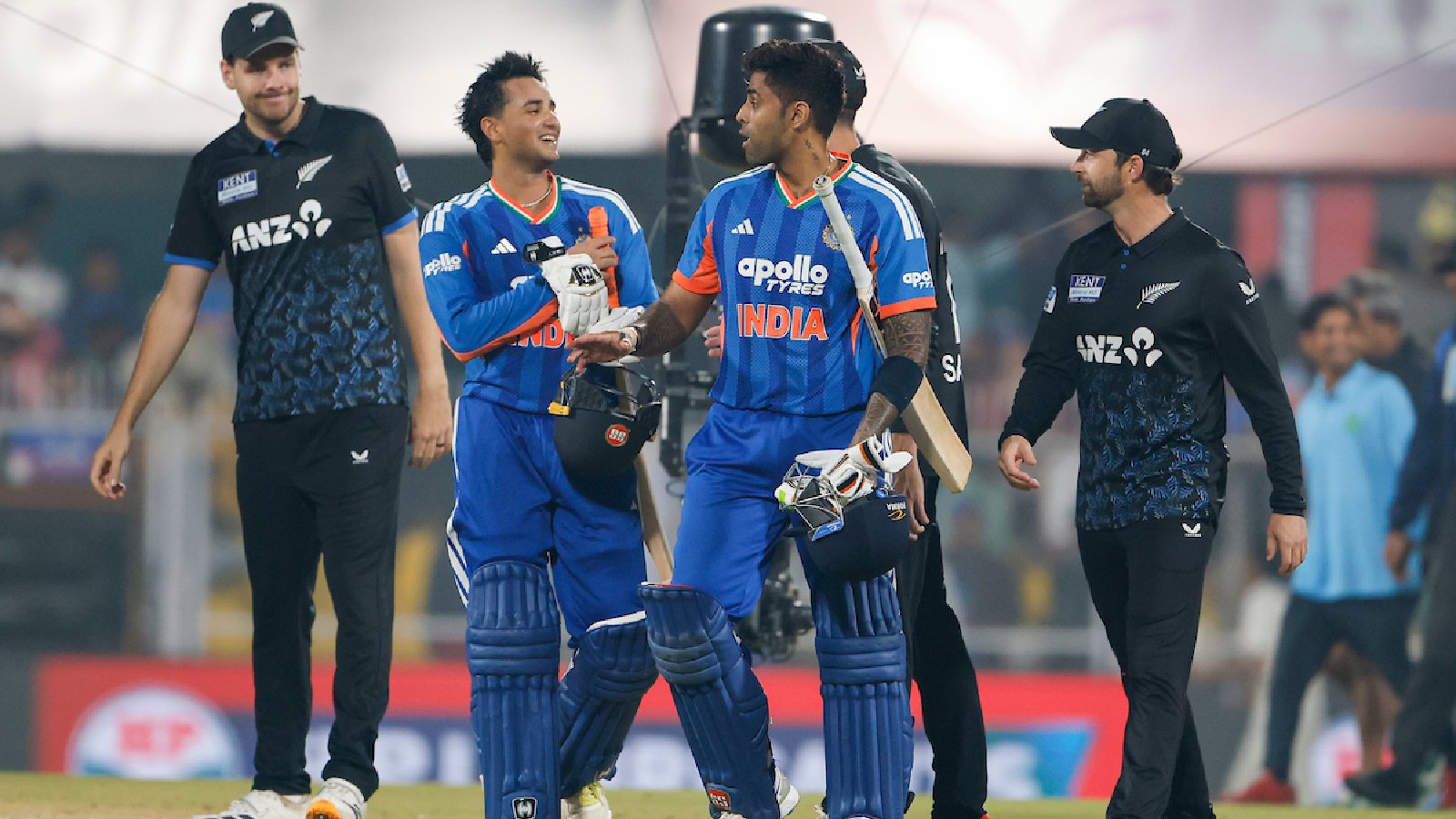
The new zealand national cricket team vs india national cricket team timeline reflects one of international cricket’s most competitive rivalries. Across Test matches, One Day Internationals (ODIs), and Twenty20 Internationals (T20Is), both teams have produced memorable performances, dramatic finishes, outstanding individual displays, and important tournament encounters. India has traditionally been recognised for its batting depth, spin bowling, and strong performances at home, while New Zealand has built a reputation for disciplined seam bowling, intelligent tactics, and teamwork under pressure.
The rivalry has evolved considerably since the teams first met in international cricket. Early contests established a foundation of mutual respect, while later decades introduced more frequent limited-overs matches and high-stakes ICC tournament meetings. From historic Test series to modern white-ball finals, the two sides have repeatedly challenged each other’s strengths. Understanding this timeline provides a useful overview of how their cricketing relationship developed and why their matches continue to attract attention from supporters around the world.
The Beginning of the Rivalry
India and New Zealand first faced each other in Test cricket in 1955, when New Zealand toured India. The series marked an important stage in the development of bilateral cricket between the countries. India had already established itself as a Test-playing nation, while New Zealand was working to become more competitive against established international teams. The encounters gave both sides valuable experience and helped develop a rivalry based on different playing styles.
India’s home conditions offered assistance to spin bowlers and rewarded patient batting, whereas New Zealand’s cricketing environment generally encouraged seam movement and disciplined bowling. These contrasting conditions became recurring themes in later contests. The earliest meetings were primarily focused on Test cricket, with long innings, tactical bowling changes, and endurance playing major roles. Although the international schedule was less crowded than it is today, these matches helped establish a relationship that would eventually extend across every major international format.
The 1960s and 1970s: Building Competitive Foundations
During the 1960s and 1970s, India and New Zealand continued to meet through bilateral Test series. These matches helped both teams improve their understanding of each other’s strengths and weaknesses. India gradually developed greater confidence in home conditions, while New Zealand continued to rely on collective discipline and effective seam bowling. Individual performances often mattered greatly because Test cricket allowed teams to build pressure over several days.
The rivalry during this period was less commercially visible than modern international cricket, but it was important for establishing competitive traditions. Batters needed patience to survive difficult spells, and bowlers had to maintain accuracy over extended periods. The changing balance between batting and bowling also influenced team selections and match strategies. These decades laid the groundwork for future contests by making India-New Zealand meetings a regular part of the international calendar.
The 1980s: One-Day Cricket Changes the Rivalry
The growth of ODI cricket transformed international competition during the 1980s. Matches became shorter, tactical decisions carried greater immediate consequences, and teams increasingly focused on scoring rates, fielding standards, and bowling variations. India and New Zealand began competing in a format that brought their contrasting approaches to a wider television audience.
The 1987 Cricket World Cup, co-hosted by India and Pakistan, was an important moment in the development of international limited-overs cricket. India’s strong cricketing culture and New Zealand’s organised approach made their encounters relevant to the expanding global game. ODI cricket also created opportunities for players to influence matches through quick scoring, economical spells, and sharp fielding. As the format developed, the rivalry became more dynamic, with teams adapting their strategies to changing pitch conditions and tournament requirements.
The 1990s: A New Generation of International Stars
The 1990s brought significant changes to both teams. India developed a strong batting identity, supported by players capable of controlling innings and accelerating when required. New Zealand continued to build teams around adaptable batters, reliable seamers, and a collective approach to limited-overs cricket. Improvements in broadcasting and the increasing popularity of international tournaments made encounters between the sides more accessible to fans.
This period also demonstrated the importance of playing conditions. Indian pitches often encouraged spin and stroke-making, while New Zealand conditions could reward movement through the air and off the surface. Teams had to prepare differently for overseas tours, making adaptability a central part of the rivalry. The decade helped establish a pattern that remains relevant: success depends not only on individual talent but also on how effectively a side adjusts to unfamiliar conditions.
The 2000s: Memorable Series and Modern Competition
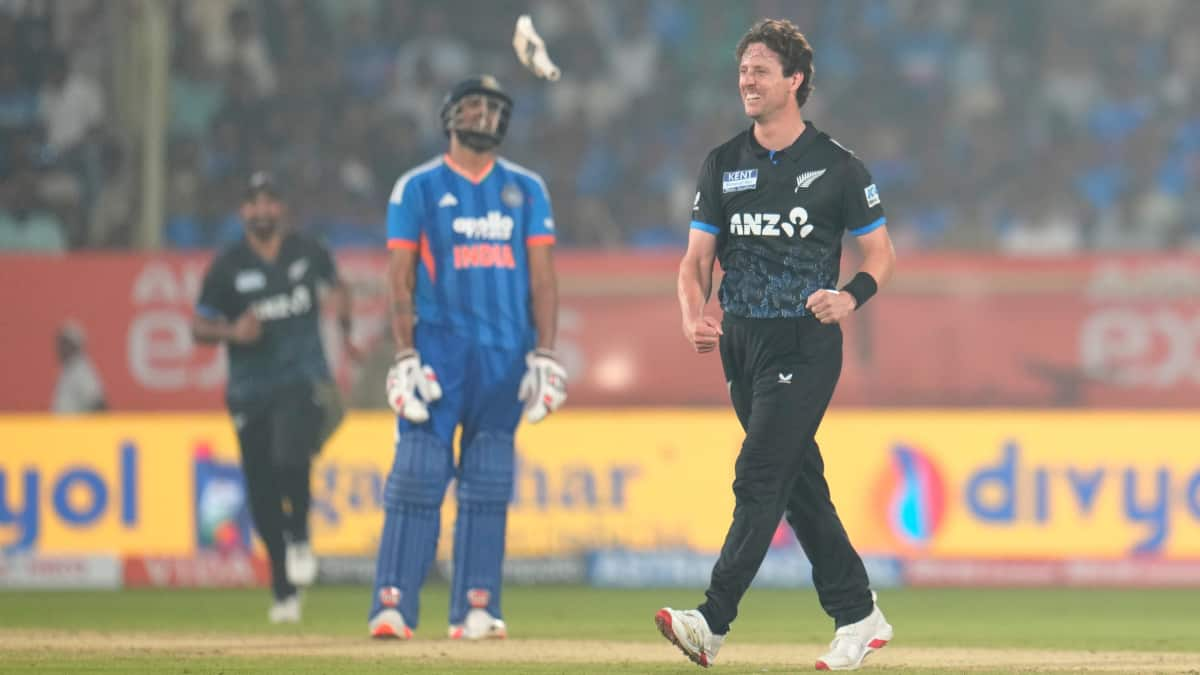
The 2000s saw the rivalry develop alongside the expansion of international cricket schedules. Bilateral tours became important opportunities for teams to test emerging players, refine strategies, and prepare for global tournaments. India increasingly relied on a deep batting order, while New Zealand remained competitive through balanced combinations and disciplined execution.
A notable chapter came during India’s tour of New Zealand in 2002–03, when the visitors faced challenging conditions and difficult bowling spells. The series demonstrated how demanding New Zealand could be for touring batters. Later meetings reinforced the importance of preparation, patience, and effective bowling partnerships. At the same time, the increasing importance of ODIs encouraged teams to develop flexible batting orders and specialised death-over strategies.
By the end of the decade, India-New Zealand matches had become familiar fixtures across formats. The rivalry was no longer limited to traditional Test cricket; it increasingly involved tactical battles in shorter matches, where one partnership or a few overs could determine the outcome.
The 2010s: World Cup Drama and Major Turning Points
The 2010s produced several defining moments in the new zealand national cricket team vs india national cricket team timeline. The 2019 ICC Cricket World Cup semi-final in Manchester became one of the most memorable matches between the sides. New Zealand scored 239 for eight after a rain interruption extended the match into a second day. Ross Taylor and Kane Williamson helped establish the total, while India’s batting order faced a challenging situation during the chase.
India lost early wickets, but Ravindra Jadeja produced a remarkable counterattack with 77 runs from 59 balls. MS Dhoni also contributed a determined half-century, giving India hope of completing an unlikely comeback. New Zealand eventually won by 18 runs, securing a place in the final. The match demonstrated how quickly a contest can change and established New Zealand’s reputation for remaining composed under pressure in knockout cricket.
Another significant moment came in the 2019–20 Test series in New Zealand, when the hosts defeated India 2–0. The result highlighted the difficulty of batting in New Zealand conditions and showed how effectively the home side could use its pace attack. Together, these matches made the decade particularly important in the rivalry’s development.
The 2021 World Test Championship Final
The inaugural ICC World Test Championship final in June 2021 was a landmark occasion for both teams. Played at Southampton in England, the match brought together two sides that had demonstrated strong performances throughout the championship cycle. India entered the final after finishing at the top of the standings, while New Zealand arrived with considerable confidence following a successful period in Test cricket.
Rain interrupted the contest, making the available playing time especially important. New Zealand’s bowlers, led by Kyle Jamieson, applied consistent pressure to India’s batting lineup. After taking a first-innings lead, New Zealand restricted India to 170 in the second innings. The target was 139, and experienced batters Kane Williamson and Ross Taylor guided their team to victory by eight wickets on the reserve day.
The triumph gave New Zealand the inaugural World Test Championship title and became a defining achievement in the country’s cricketing history. For India, the defeat was disappointing, but the match demonstrated the importance of patience, bowling discipline, and adaptability in challenging conditions.
The 2022–2023 Period: Competitive Cricket Across Formats
The years following the World Test Championship final continued to produce compelling contests. Both teams regularly competed in bilateral series, ICC tournaments, and different international formats. India developed a powerful white-ball batting combination, while New Zealand maintained its reputation for tactical awareness and disciplined bowling.
The 2023 ICC Men’s Cricket World Cup in India provided two particularly significant meetings. During the group stage in Dharamshala, New Zealand scored 273, with Daryl Mitchell making 130 and Rachin Ravindra contributing 75. India successfully chased the target, winning by four wickets, with Virat Kohli scoring 95 and Mohammed Shami taking five wickets.
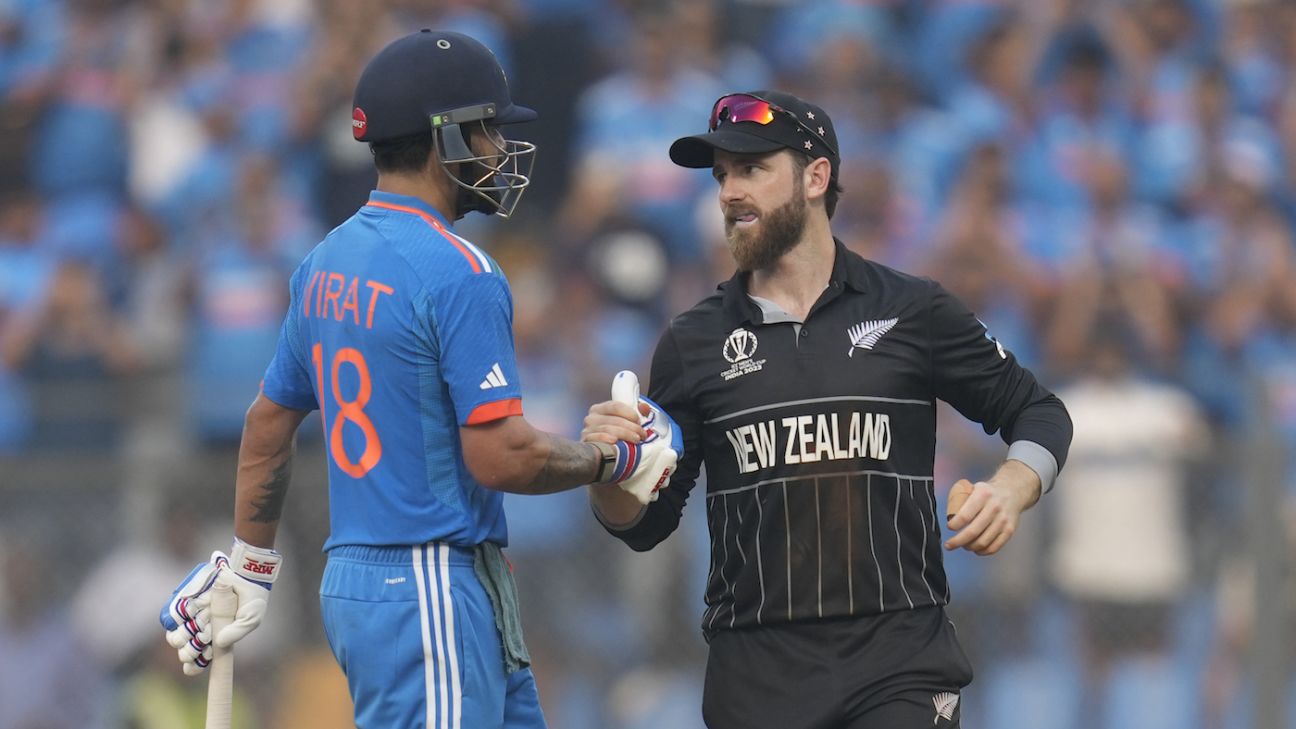
The teams met again in the semi-final at Mumbai’s Wankhede Stadium. India scored a formidable 397 for four, supported by centuries from Virat Kohli and Shreyas Iyer. New Zealand responded through Daryl Mitchell’s 134 and Kane Williamson’s 69, but Mohammed Shami’s seven-wicket performance helped India secure a 70-run victory. The result sent India into the final and added another memorable chapter to the rivalry.
The 2024 Test Series: New Zealand Makes History in India
New Zealand’s Test tour of India in 2024 produced one of the most remarkable results in the modern history of the rivalry. The visitors won the opening Test in Bengaluru, overcoming India’s first-innings total of just 46. The result immediately placed pressure on the home team and demonstrated New Zealand’s ability to exploit difficult batting conditions.
New Zealand then won the second Test in Pune, securing the series before the final match. The result was historic because New Zealand achieved its first-ever Test series victory in India. India’s reputation for strength at home made the outcome particularly significant, while New Zealand’s disciplined bowling and effective batting partnerships played major roles in the achievement.
India responded with a victory in the third Test in Mumbai, but New Zealand completed a 3–0 series sweep. The series showed that home advantage is never an absolute guarantee and that preparation, execution, and adaptability can determine results even against highly successful teams. It also gave the rivalry a fresh dimension, particularly in Test cricket.
The 2025 Champions Trophy Final
The 2025 ICC Champions Trophy final added another major limited-overs milestone to the new zealand national cricket team vs india national cricket team timeline. The two teams met in Dubai on 9 March 2025 after progressing through the tournament’s earlier stages.
New Zealand batted first and scored 251 for seven in 50 overs. Daryl Mitchell and Michael Bracewell contributed to the innings, with Bracewell providing valuable late runs. India responded with a composed chase led by captain Rohit Sharma, who scored 76 from 83 deliveries. The Indian batting lineup maintained control despite New Zealand’s attempts to create pressure through spin bowling and changes in pace.
India reached 254 for six in 49 overs, winning by four wickets and securing the Champions Trophy title. The final demonstrated India’s ability to manage a high-pressure chase and New Zealand’s continuing competitiveness in major ICC tournaments. It also reinforced the importance of experienced players, partnerships, and tactical flexibility when two well-matched teams compete for a trophy.
Important Matches at a Glance
The following table summarises several key encounters that help explain the rivalry’s development.
| Year | Tournament or series | Key result | Significance |
|---|---|---|---|
| 1955 | Test series in India | India hosted New Zealand | Early foundation of the Test rivalry |
| 1975 | Cricket World Cup | New Zealand defeated India | Memorable early World Cup meeting |
| 2019 | Cricket World Cup semi-final | New Zealand won by 18 runs | India eliminated in a dramatic knockout |
| 2021 | World Test Championship final | New Zealand won by 8 wickets | New Zealand became inaugural champions |
| 2023 | Cricket World Cup semi-final | India won by 70 runs | India reached the final |
| 2024 | Test series in India | New Zealand won 3–0 | Historic first Test series victory in India |
| 2025 | Champions Trophy final | India won by 4 wickets | India claimed another major ICC title |
Players Who Shaped the Rivalry
Individual performances have often determined the outcome of India-New Zealand matches. Both teams have produced batters and bowlers capable of changing a game within a short period, whether through a long Test innings, a rapid ODI century, or a decisive spell in a limited-overs contest.
For India, players such as Sachin Tendulkar, Rahul Dravid, MS Dhoni, Virat Kohli, Rohit Sharma, Ravindra Jadeja, and Mohammed Shami have contributed to important chapters in the rivalry. Their achievements represent different generations and playing styles, from technically sound batting to aggressive stroke play and match-winning bowling.
New Zealand has also relied on outstanding performers, including Stephen Fleming, Daniel Vettori, Ross Taylor, Brendon McCullum, Kane Williamson, Trent Boult, and Kyle Jamieson. More recently, players such as Daryl Mitchell, Rachin Ravindra, and Mitchell Santner have helped the team remain competitive across formats.
Several factors make these players important to the rivalry:
-
Batters who can build partnerships and accelerate when required.
-
Fast bowlers who exploit movement and create pressure with accurate spells.
-
Spinners who control the middle overs and challenge batters on turning pitches.
-
All-rounders who provide balance through both batting and bowling.
-
Captains who make effective tactical decisions under pressure.
How Playing Conditions Influence Results
Playing conditions have always played a major role in India-New Zealand contests. In India, slower surfaces and turning pitches can encourage teams to select additional spin options and batters who are comfortable against spin. Home players often understand how to manage these conditions, but visiting teams can succeed through careful shot selection and effective partnerships.
In New Zealand, seam movement and cooler conditions can make the opening overs particularly challenging for visiting batters. Fast bowlers who maintain a consistent line and length can create pressure, especially when the ball moves through the air or off the pitch. Indian teams must therefore adapt their techniques and avoid unnecessary risks during difficult periods.
Neutral venues create a different challenge because neither team necessarily enjoys the same home advantage. The 2021 World Test Championship final and the 2025 Champions Trophy final illustrated how teams must adjust to unfamiliar conditions while managing the expectations associated with major tournaments.
What Makes This Rivalry Special?
The rivalry stands out because the teams often succeed through contrasting approaches. India can draw on extensive batting depth, powerful spin options, and significant experience in high-pressure international cricket. New Zealand frequently relies on collective discipline, efficient use of bowling resources, and the ability to remain competitive when opponents appear to have the advantage.
Their encounters also span several generations of international cricket. Older supporters remember traditional Test series and early World Cup meetings, while newer audiences follow high-scoring ODIs, fast-paced T20Is, and championship finals. Each format offers a different tactical challenge, ensuring that the rivalry continues to evolve.
The history also demonstrates that previous results do not guarantee future success. New Zealand’s 2024 Test series sweep in India and India’s 2025 Champions Trophy victory show how the balance can change according to preparation, team selection, conditions, and individual performances.
Conclusion
The new zealand national cricket team vs india national cricket team timeline tells the story of a rivalry shaped by historic Test matches, World Cup heartbreaks, championship triumphs, and unexpected results. From the early meetings in the 1950s to New Zealand’s historic Test series victory in India in 2024 and India’s Champions Trophy success in 2025, both teams have produced performances that have strengthened their international reputations.
India’s batting depth and spin resources have frequently proved influential, while New Zealand’s disciplined bowling and teamwork have delivered major victories of their own. Their contrasting strengths make every series an opportunity for a new chapter in cricket history. As international cricket continues to evolve, future meetings between these teams will provide fresh opportunities for memorable performances, tactical battles, and moments that supporters will remember for years to come.