

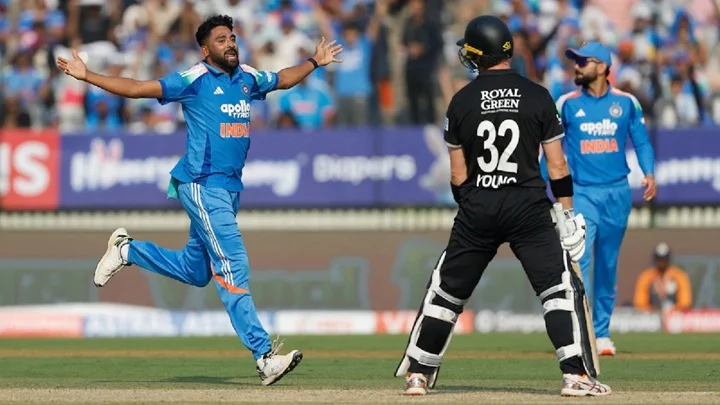
Their rivalry spans Test cricket, One Day Internationals (ODIs), and Twenty20 Internationals (T20Is). Across these formats, the teams have experienced memorable victories, unexpected defeats, dramatic finishes, and important championship encounters. Conditions often play a significant role in determining the outcome, with Indian pitches frequently supporting spin and New Zealand surfaces sometimes offering assistance to seam bowlers.
For cricket followers, this matchup offers much more than a contest between two national sides. It provides an opportunity to compare different playing styles, examine individual performances, and understand how teams adjust their strategies across formats. From historic Test series to high-pressure ICC tournaments, this rivalry continues to attract attention from supporters around the world.
History of India vs New Zealand Cricket Matches
India and New Zealand first met in Test cricket in 1955, beginning a rivalry that has developed over several generations. Their early encounters helped establish a competitive relationship between two teams with different cricketing traditions. India gradually developed a reputation for strong batting and spin bowling, while New Zealand built its identity around disciplined team performances and effective seam bowling.
As international cricket expanded, the rivalry became more diverse. ODI matches introduced a faster pace, with teams balancing wicket preservation and scoring opportunities. The introduction of T20I cricket added another dimension, requiring quick decisions, aggressive batting, innovative bowling, and flexible field placements.
The history of India against New Zealand includes bilateral tours, multination tournaments, and global championship matches. Some contests have been decided by narrow margins, while others have demonstrated the advantage of playing familiar conditions at home. Both sides have also experienced periods of dominance, making their overall rivalry a useful way to understand changes in international cricket over time.
The India national cricket team vs New Zealand national cricket team matches are particularly interesting because neither team’s strengths guarantee success in every setting. Home advantage, team selection, weather, pitch conditions, and execution under pressure can all influence the result.
India vs New Zealand Head-to-Head Record
The overall head-to-head record provides a useful overview of the rivalry. India has traditionally performed strongly in bilateral cricket, particularly in home conditions, while New Zealand has achieved significant successes through disciplined bowling and effective performances in important matches. The statistics also show why each format needs to be evaluated separately.
The following table summarises the men’s international records available through October 2026. Test cricket includes drawn matches, while ODI and T20I records include ties and matches without a result. These distinctions are important when comparing the teams’ performances.
| Format | Matches | India won | New Zealand won | Other results |
|---|---|---|---|---|
| Tests | 65 | 22 | 16 | 27 draws |
| ODIs | 123 | 63 | 52 | 1 tie, 7 no results |
| T20Is | 31 | 19 | 11 | 1 tie |
| Total | 219 | 104 | 79 | 36 other results |
Note: Figures reflect the cited historical records and are subject to future updates. T20I records include India’s Super Over victories in tied matches.
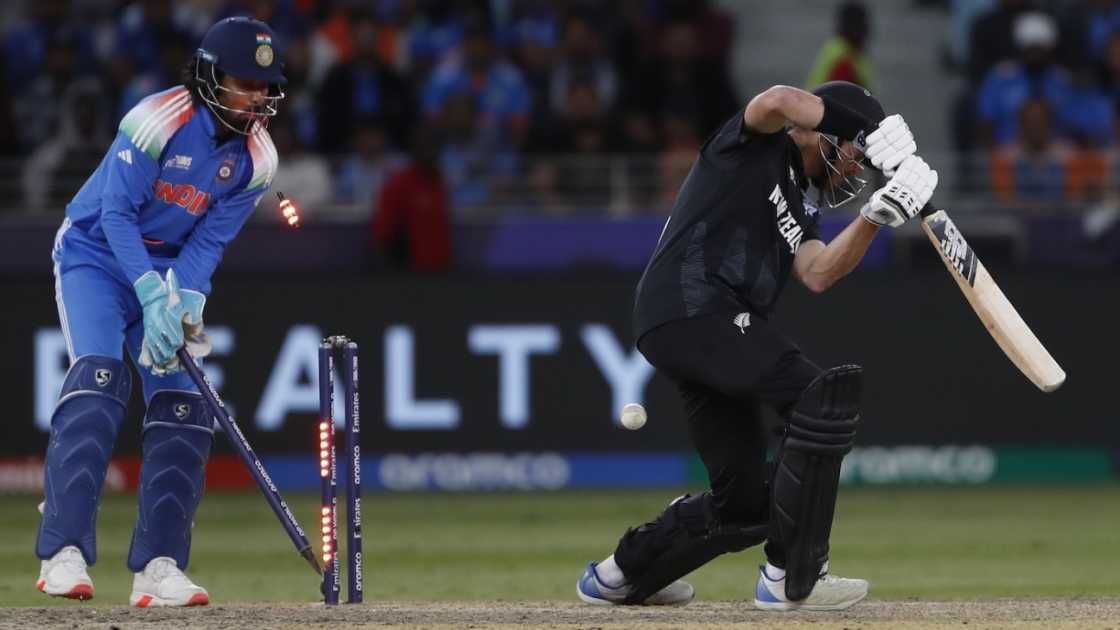
Test Matches Between India and New Zealand
Test cricket has played a central role in this rivalry since the teams first met in 1955. These matches test a team’s technical ability, patience, physical endurance, and tactical planning over several days. India has historically benefited from its ability to produce quality spin bowling at home, while New Zealand has often relied on seam movement, accurate bowling, and disciplined batting in its own conditions.
One particularly significant series occurred in 2016, when India defeated New Zealand 3–0 in a three-match Test series on home soil. The series demonstrated India’s strength in familiar conditions and its ability to control matches through batting depth and effective spin bowling. However, the rivalry has also produced major surprises.
In 2024, New Zealand achieved a historic 3–0 series victory in India, showing how effective its bowling attack and tactical preparation could be even in challenging away conditions. The result underlined that past records do not guarantee future success. Test cricket remains a contest in which changing pitch conditions, partnerships, and decisions over five days can transform a series.
ODI Matches Between India and New Zealand
One Day Internationals have produced many memorable moments between the two countries. The 50-over format requires a balance between steady accumulation and attacking cricket, with teams adjusting their approach according to the target, available wickets, and match conditions. India’s batting depth has frequently been an advantage, while New Zealand has regularly challenged opponents through accurate seam bowling and energetic fielding.
Their first ODI encounter took place during the 1975 Cricket World Cup. Since then, they have met in bilateral series and several major international tournaments. India leads the historical ODI head-to-head record, although New Zealand has secured important victories in high-pressure contests.
A notable recent meeting occurred in the 2025 ICC Champions Trophy final, where India defeated New Zealand by four wickets to win the tournament. The result highlighted India’s ability to manage a demanding chase in a major final. New Zealand remained competitive, but India’s batting resources helped it reach the target.
ODI contests between these sides are often decided by middle-over control. A team that rotates the strike, avoids losing wickets in clusters, and maintains pressure with the ball can gain a decisive advantage before the final overs.
T20 International Matches Between India and New Zealand
T20I cricket adds speed and unpredictability to this rivalry. With only 20 overs per innings, batters must identify scoring opportunities quickly, while bowlers need variations and precise execution. A strong start can create momentum, but a few wickets or an expensive over can rapidly change the match.
India and New Zealand have played competitive T20I series and global tournament matches since their first meeting in 2007. India’s aggressive batting options and varied bowling attack have helped it build a strong record in this format. New Zealand, however, has repeatedly shown that clear tactical plans and calm decision-making can challenge more highly favoured opponents.
The 2026 ICC Men’s T20 World Cup final was a major highlight. India scored 255 for five and dismissed New Zealand for 159, winning by 96 runs. Jasprit Bumrah took four wickets for 15 runs and was named Player of the Match. The performance demonstrated the impact of disciplined death bowling and a powerful batting display in a championship final.
In T20Is, important factors include powerplay scoring, boundary prevention, spin matchups, and the ability to defend totals under pressure. These details often explain why the same team can dominate one game and struggle in the next.
Memorable Matches in the Rivalry
Several encounters have helped define the India–New Zealand rivalry. These matches stand out because of their importance, unexpected results, or the quality of cricket displayed by both teams.
Important matches to remember:
-
2019 World Cup semifinal: New Zealand defeated India by 18 runs in a rain-affected match completed over two days. Its bowling attack successfully defended a modest total in a tense finish.
-
2021 World Test Championship final: New Zealand beat India by eight wickets to become the inaugural World Test Championship winners.
-
2024 Test series: New Zealand secured a historic 3–0 series victory in India, one of the most significant results in their Test rivalry.
-
2025 Champions Trophy final: India defeated New Zealand by four wickets to claim the title.
- 2026 T20 World Cup final: India won by 96 runs after producing a formidable batting performance and an effective bowling display.
These encounters illustrate how the rivalry extends beyond bilateral statistics. Knockout matches and championship finals often demand different tactical decisions from ordinary league or series fixtures.
Key Players Who Have Shaped India vs New Zealand Matches
Individual performances have played a significant role in the history of these teams. India’s batting tradition has produced players capable of building long innings or changing a match in a short period. Its bowling attack has also featured exceptional spinners and fast bowlers who can take wickets at crucial moments.
New Zealand has built its success around technically sound batters, reliable all-rounders, and bowlers who execute their plans consistently. Players such as Kane Williamson, Ross Taylor, Trent Boult, and Tim Southee have contributed to important New Zealand performances across different periods.
For India, Virat Kohli, Rohit Sharma, Ravichandran Ashwin, Ravindra Jadeja, and Jasprit Bumrah have all featured prominently in major contests. Their contributions vary by format, with batting consistency, spin control, and fast-bowling accuracy each becoming especially valuable in particular conditions.
When analysing individual performances, readers should consider more than total runs and wickets. Batting average, strike rate, economy rate, opposition quality, venue, and match situation provide a fuller understanding of a player’s influence.

Factors That Decide the Outcome of Matches
The result of an India–New Zealand contest often depends on a combination of conditions and execution. Although both teams have talented players, their relative strengths can change significantly between venues and formats.
Important factors include:
-
Pitch conditions: Dry Indian surfaces can reward spin bowling, while some New Zealand pitches provide seam movement.
-
Opening partnerships: A stable start allows batters to build an innings without taking unnecessary risks.
-
Middle-over strategy: Rotating the strike and taking calculated risks help maintain scoring momentum.
-
Bowling discipline: Accurate lengths and variations can prevent opponents from building substantial partnerships.
-
Fielding standards: Direct hits, catches, and saved boundaries can influence close contests.
-
Pressure management: Experienced players often make a difference in tournament finals and tight run chases.
These elements are particularly important when comparing scorecards. Two matches played between the same teams may produce very different results because of weather, team selection, toss decisions, and the quality of execution on the day.
How to Analyse India vs New Zealand Match Results
Readers following the India national cricket team vs New Zealand national cricket team matches can gain a deeper understanding by examining several aspects of each scorecard. The final result is important, but the details explain how a team won or lost.
For batting, review the highest individual scores, partnerships, boundaries, and the number of wickets lost during the powerplay or middle overs. For bowling, examine wickets taken, runs conceded, economy rates, and performances during the final overs. In Test matches, session-by-session progress and the ability to take 20 wickets are especially significant.
It is also useful to distinguish bilateral series from ICC tournament matches. A team may perform consistently across a series but struggle in a single knockout encounter. Similarly, home and away records can reveal how well a side adapts to unfamiliar playing conditions.
Before publishing exact match statistics, verify the match date, venue, format, innings totals, and result. Head-to-head figures change whenever the teams play another international match, so tables should include an update date.
Conclusion
The India national cricket team vs New Zealand national cricket team matches represent a compelling rivalry across Test cricket, ODIs, and T20Is. From their first Test meeting in 1955 to modern championship finals, the teams have delivered memorable performances, historic victories, and closely contested encounters.
India’s batting depth, spin options, and powerful pace attack have contributed to its strong overall record. New Zealand’s discipline, adaptability, and team-oriented approach have enabled it to produce major upsets and win important international trophies. Neither side can rely solely on historical statistics when preparing for a new contest.
For cricket fans, studying head-to-head records, tournament results, player performances, and match conditions provides a more complete picture of this rivalry. As both teams continue to develop new talent and refine their strategies, future encounters will add further chapters to an already rich international cricket history.