

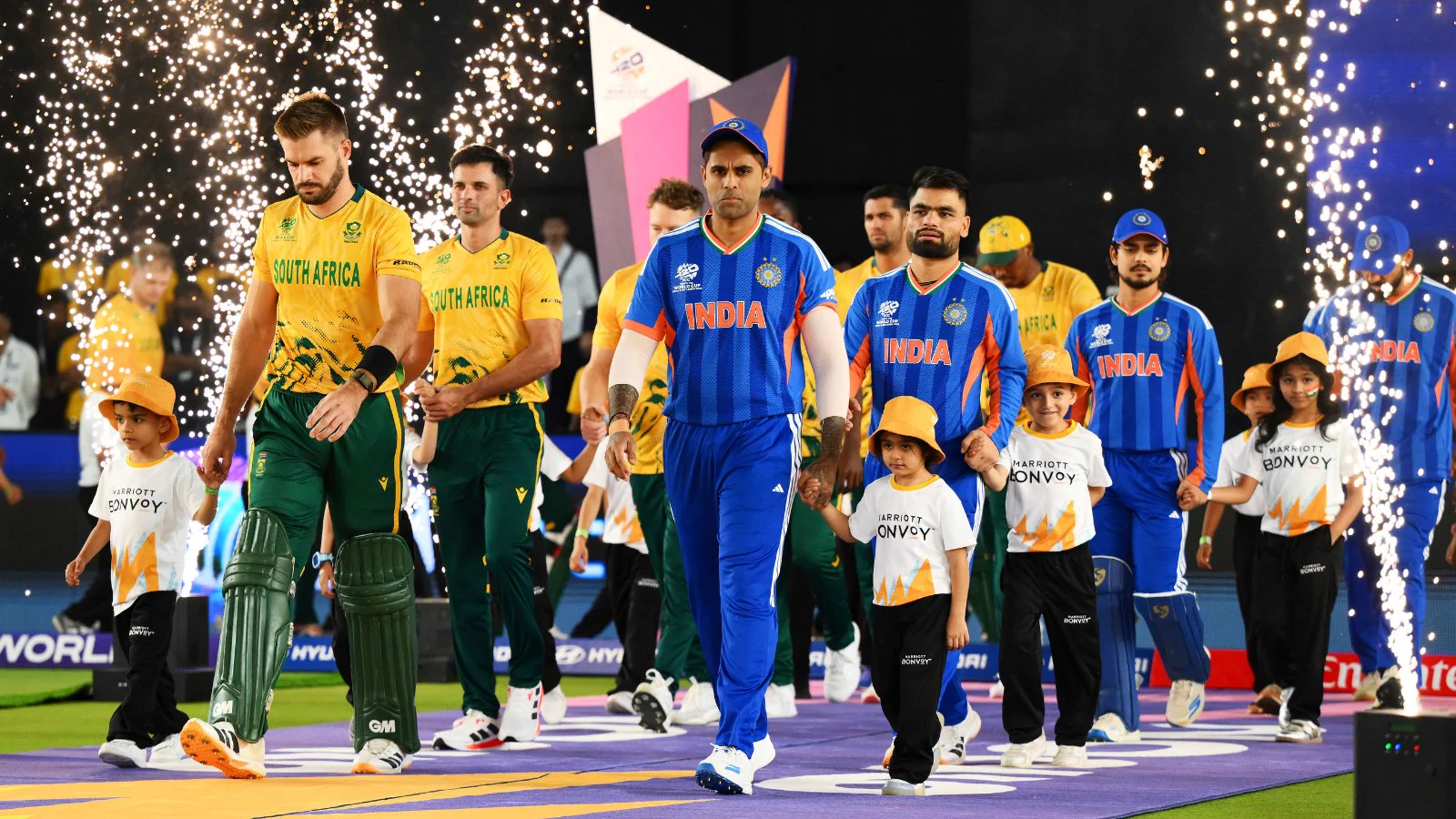
The rivalry between India and South Africa is one of the most competitive matchups in international cricket. Both teams have produced outstanding batters, world-class bowlers, memorable performances, and exciting finishes across Test matches, One Day Internationals (ODIs), and Twenty20 Internationals (T20Is). Their contests often combine technical batting, aggressive fast bowling, quality spin, and tactical decision-making, making them interesting for cricket fans around the world.
The history of India national cricket team vs South Africa national cricket team matches includes bilateral series, ICC tournaments, World Cup encounters, and important championship games. India has traditionally relied on its strong batting lineup and spin resources, while South Africa has often been recognised for its pace attack, athletic fielding, and powerful middle order. Both teams have evolved significantly over the years, creating new challenges whenever they meet. Understanding their cricketing history helps fans appreciate the performances, rivalries, and changing strategies that define this international matchup.
History of India vs South Africa Cricket Matches
South Africa returned to international cricket in the early 1990s after the end of its sporting isolation. India and South Africa first met in an ODI series in 1991, beginning a rivalry that would develop across multiple formats. Their first Test series followed in 1992, giving the two nations opportunities to compete in longer and shorter versions of the game.
During the early years, South Africa demonstrated its strength through disciplined fast bowling, dependable batting, and excellent fielding. India, meanwhile, continued to build a team capable of competing in different conditions. Matches in India frequently brought spin bowling into focus, while games in South Africa tested Indian batters against pace, bounce, and movement.
Over time, both sides developed more balanced squads. India strengthened its overseas performances, while South Africa produced influential batters and bowlers capable of succeeding on subcontinental pitches. This development made their bilateral series increasingly competitive and established the matchup as an important part of the international cricket calendar.
Head-to-Head Record Across Different Formats
India and South Africa have played international cricket in three major formats: Tests, ODIs, and T20Is. Each format creates a different kind of contest, and overall results depend on the period being considered, the venue, and the teams selected.
Test cricket places greater emphasis on patience, technique, bowling endurance, and the ability to adapt over several days. ODI matches require a balance between scoring quickly and preserving wickets, while T20Is demand immediate impact, flexible batting plans, and effective execution under pressure.
The overall head-to-head record changes whenever a new international match is played. Therefore, fans should consult an updated scorecard or official statistics database when exact totals, win percentages, or the latest series results are required. A reliable comparison should also distinguish completed matches from drawn Tests, tied games, abandoned fixtures, and results decided through a Super Over or other applicable playing conditions.
India vs South Africa Test Matches
Test cricket has played a major role in shaping this rivalry. The two teams have faced contrasting challenges in their home conditions, with South Africa traditionally offering fast, bouncy pitches and India often presenting surfaces that bring spin and reverse swing into the contest.
Indian batters have needed sound defensive technique and patience to succeed against South Africa’s fast bowlers. Similarly, South African players touring India have had to develop methods for handling high-quality spin and longer spells on turning surfaces. These contrasting conditions make Test series a valuable measure of a team’s adaptability.
Test matches between the countries have featured important individual centuries, match-winning bowling spells, determined fourth-innings batting, and closely fought sessions. Success often depends on building substantial first-innings totals, taking wickets with the new ball, and maintaining concentration across five days.
For supporters comparing the teams, the most useful Test statistics include matches played, wins, losses, draws, series victories, batting averages, bowling figures, and performances in overseas conditions. These figures reveal more than a single result because they show how consistently each side has performed across different eras.
India vs South Africa ODI Matches
One Day Internationals have produced many memorable contests between India and South Africa. The 50-over format allows batters to construct innings while maintaining scoring pressure, and it gives bowlers enough overs to use several tactical approaches.
India has often depended on technically strong top-order batters, productive partnerships, and effective spin bowling during the middle overs. South Africa has frequently countered with aggressive stroke-makers, seam bowling, athletic fielding, and the ability to accelerate late in an innings. When both teams execute their plans well, the result can be a high-scoring match or a tense chase.
ODI encounters between these nations have taken place in bilateral series and major ICC competitions. World Cup games are particularly significant because teams face additional pressure and every partnership, dropped catch, and bowling change can influence the outcome.
When reviewing ODI records, fans should consider total wins, runs scored, highest team totals, successful run chases, individual centuries, five-wicket hauls, and World Cup results. Venue-specific statistics can also explain why a team performs better under particular conditions.
India vs South Africa T20 International Matches
T20 International cricket has added a fast-paced dimension to the rivalry. With only 20 overs per innings, teams must make quick decisions about batting order, bowling matchups, field placements, and scoring opportunities. A few deliveries can change the direction of a match.
India has developed a deep pool of T20 specialists, including explosive opening batters, versatile middle-order players, wrist-spinners, and fast bowlers with variations at the end of an innings. South Africa has also produced powerful hitters, adaptable all-rounders, and pace bowlers capable of taking wickets during the powerplay and death overs.
T20I matches between the countries often revolve around powerplay efficiency, middle-over control, and the final five overs. A team that saves wickets for the closing stage can launch a strong finish, but disciplined bowling and sharp fielding may prevent a late surge.
Fans studying this format should compare win-loss records, batting strike rates, economy rates, sixes, powerplay scores, successful chases, and performances in ICC tournaments. These measures help explain how the teams approach cricket’s shortest international format.
Important Statistics to Compare
The following table provides a practical framework for understanding India and South Africa’s international rivalry. Exact totals are intentionally left unspecified because cumulative records change as new matches take place.
| Statistical category | What it reveals |
|---|---|
| Test matches | Performance in the longest format |
| ODI matches | Consistency in 50-over cricket |
| T20I matches | Results in the shortest international format |
| Overall wins | Competitive record across formats |
| Home record | Performance in familiar conditions |
| Away record | Ability to succeed overseas |
| ICC tournament results | Performance under major-event pressure |
| Highest team total | Best collective batting performance |
| Individual centuries | Outstanding batting contributions |
| Best bowling figures | Exceptional wicket-taking performances |
| Successful run chases | Ability to handle scoreboard pressure |
| Series results | Consistency over multiple matches |
This comparison becomes more useful when records are separated by format and venue. A team may have a strong overall record but struggle in particular conditions, while a player with fewer appearances may still have an exceptional average or strike rate. Examining several indicators together provides a more balanced view of the rivalry.
Memorable Matches Between India and South Africa
Several encounters between these teams have become important moments in international cricket. Their matches have featured exceptional individual innings, unexpected collapses, dramatic final overs, and series-deciding performances. These contests demonstrate how quickly momentum can change when two competitive teams meet.
The 2011 Cricket World Cup match between India and South Africa was particularly memorable. India posted a strong total, but South Africa chased it successfully after a late batting surge, demonstrating the importance of maintaining pressure throughout an ODI innings. Such matches remind teams that a good start does not guarantee victory.
Another significant moment came in the 2024 ICC Men’s T20 World Cup final, when India defeated South Africa in a thrilling contest. South Africa appeared well positioned during the chase, but India’s bowlers produced an outstanding finish to secure the championship. The match highlighted the value of composure, tactical bowling changes, and fielding under pressure. These major encounters have strengthened the rivalry and given fans performances that remain memorable long after the final ball.
Key Players in the India vs South Africa Rivalry
Individual performances have played a major role in the history of this matchup. India’s batting strength has included legends such as Sachin Tendulkar, Rahul Dravid, Virat Kohli, Rohit Sharma, and MS Dhoni. Their contributions across different eras have demonstrated the importance of technique, adaptability, leadership, and match awareness.
South Africa has also produced outstanding performers, including Jacques Kallis, AB de Villiers, Hashim Amla, Dale Steyn, and Quinton de Kock. These players have influenced matches through run-scoring, aggressive stroke play, disciplined bowling, and the ability to perform during difficult situations.
Modern contests also feature talented all-rounders, specialist fast bowlers, wrist-spinners, and powerful middle-order batters. Their performances can determine whether a team successfully defends a total or completes a difficult chase.
When analysing player statistics, supporters should consider the format rather than comparing every performance using the same standard. A Test batter’s average reflects a different challenge from a T20I batter’s strike rate. Likewise, a bowler’s economy rate, wickets per match, and performance during crucial overs can reveal their importance beyond the headline figures.
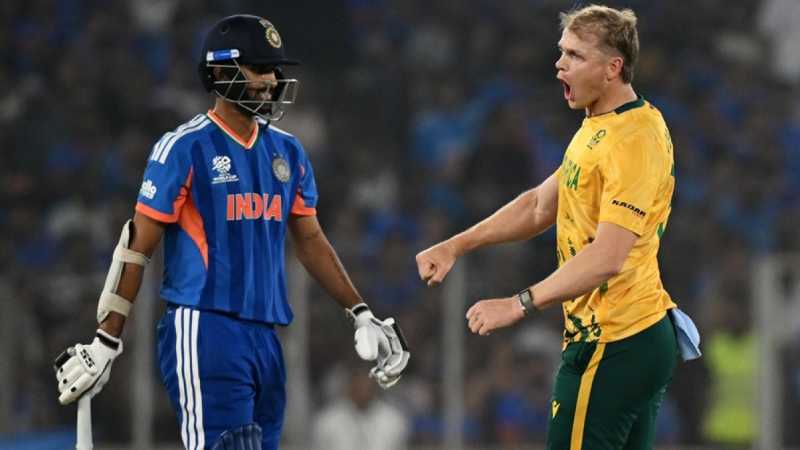
Factors That Influence Match Results
India and South Africa approach international cricket with different strengths, although both teams possess versatile players capable of adapting to changing conditions. Several factors regularly influence the outcome of their matches.
- Pitch conditions: Fast and bouncy surfaces can favour seam bowlers, while turning pitches may benefit spinners.
- Opening partnerships: A strong start helps establish a foundation for a competitive total.
- Middle-over control: Teams must balance wicket preservation with maintaining a healthy scoring rate.
- Death bowling: Accurate yorkers, slower deliveries, and effective field placements can restrict late scoring.
- Fielding quality: Catches, run-outs, and boundary-saving efforts can change the result.
- Tactical decisions: Captaincy, bowling changes, and batting order adjustments can determine the direction of a close match.
- Pressure management: Teams that remain calm during difficult periods often gain an advantage in closely contested games.
These factors explain why historical records alone cannot predict the result of every upcoming encounter. Current player form, injuries, weather, venue conditions, and team selection also influence match outcomes.
Recent Series and the Changing Rivalry
The rivalry continues to evolve as new players emerge and teams adapt their strategies. Recent bilateral series have provided opportunities to test young talent alongside experienced international players. India has developed considerable depth in limited-overs cricket, while South Africa continues to combine aggressive batting with pace, athletic fielding, and adaptable bowling options.
The 2025 series hosted by India included Test, ODI, and T20I contests, illustrating the demands of competing across all three formats. Each format required different combinations and tactical approaches, from building innings over several sessions to accelerating during a short T20I game.
Major ICC tournaments add another dimension because the stakes are higher than in ordinary bilateral fixtures. Teams must prepare for different opponents, manage pressure, and make decisions based on the match situation. Their encounters in global competitions therefore remain important when assessing performance under challenging conditions.
For anyone following India national cricket team vs South Africa national cricket team matches, recent series results should be reviewed alongside historical records. This approach gives readers a clearer understanding of current form without overlooking the achievements that shaped the rivalry.
How to Analyse a Match Scorecard
A scorecard provides a detailed account of how a match developed. Reading the figures carefully helps supporters understand why one side won and where the other team lost its advantage.
Important scorecard details include:
- Team totals: Compare runs scored, wickets lost, and overs faced.
- Batting contributions: Identify the highest scorer and partnerships that helped build the innings.
- Bowling figures: Review wickets, runs conceded, economy rate, and overs bowled.
- Extras: Wides, no-balls, and other additional runs can influence a close result.
- Fall of wickets: This shows whether a team suffered a collapse or maintained steady progress.
- Match result: Check the winning margin, such as runs, wickets, or an innings.
- Player of the match: Consider which performance had the greatest influence on the outcome.
Combining these details with venue conditions and match context makes it easier to evaluate individual contributions. It also helps explain why a seemingly strong batting performance may not be enough to secure victory.
Conclusion
India and South Africa have built a competitive international cricket rivalry through decades of Test matches, ODIs, T20Is, and major tournament encounters. Their contrasting strengths, outstanding players, and memorable finishes continue to make this matchup important for cricket supporters.
The history of india national cricket team vs south africa national cricket team matches demonstrates the value of adaptability, disciplined bowling, effective batting partnerships, and calm decision-making. Each format offers a different challenge, while changing conditions and emerging players ensure that future contests bring fresh storylines.
For a complete understanding of this rivalry, fans should examine head-to-head results, series outcomes, individual records, venue statistics, and recent performances together. These details provide a balanced picture of both teams and help explain the factors behind their successes and setbacks. As international cricket continues to develop, India versus South Africa remains a compelling contest for fans who appreciate skill, strategy, and high-pressure competition.