

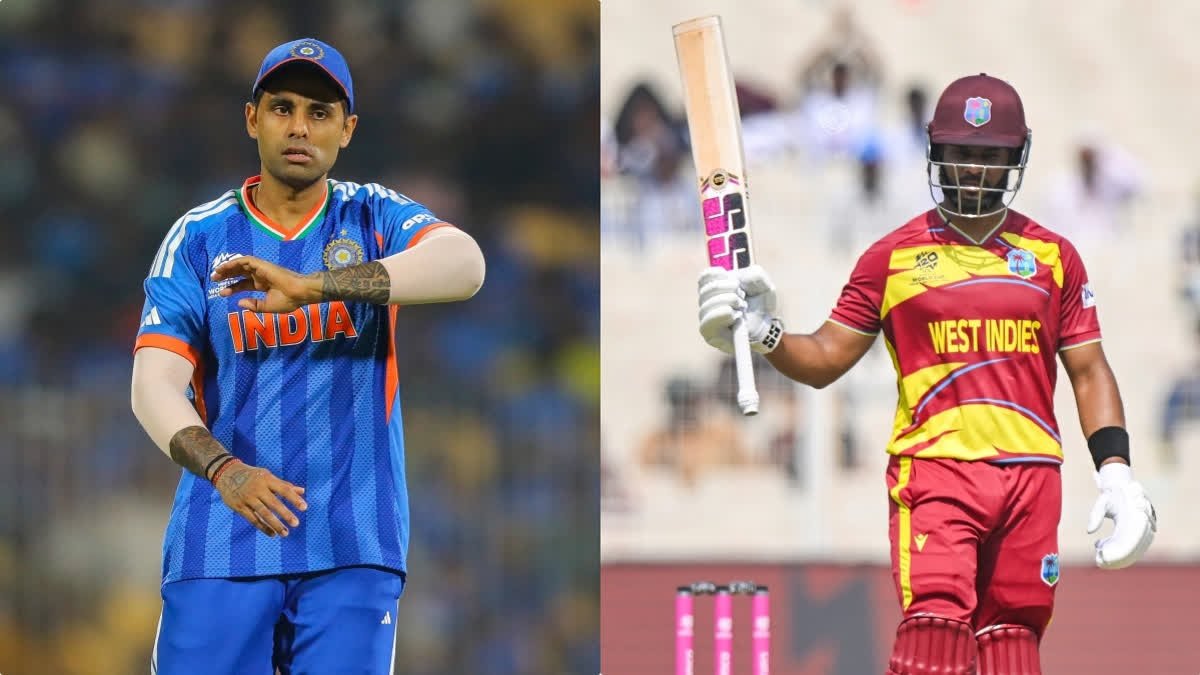
West Indies vs India T20 matches are among the most entertaining contests in international cricket. Both teams have a rich cricketing history, talented players, and different approaches to the shortest format of the game. India are known for their strong batting depth, disciplined bowling options, and ability to adapt to different match situations. West Indies, meanwhile, have built a reputation for explosive batting, powerful hitting, and fearless cricket, particularly in T20 competitions.
When these teams meet, the contest often revolves around aggressive powerplay batting, middle-over partnerships, effective spin bowling, and the ability to score quickly during the final overs. A match can change within a few deliveries, making every over important for both sides. Fans follow team selections, player performances, toss decisions, and scorecards to understand how the game develops. This guide explores the rivalry, important statistics, playing strategies, key players, and the factors that can determine the result of a T20 international between India and West Indies.
History of West Indies vs India T20 Matches
The T20 rivalry between India and West Indies has produced several memorable encounters. Both teams have experienced victories in different conditions, including matches played in the Caribbean and India. Their contrasting cricketing styles make the contest particularly interesting because India often combine technical batting with tactical bowling, while West Indies frequently rely on power hitting and attacking intent.
India have developed a strong T20 structure through domestic competitions, international experience, and the Indian Premier League. These opportunities help players improve their skills against different bowling styles and match situations. West Indies have also benefited from their established tradition of producing powerful T20 batters and versatile all-rounders. Their players are accustomed to playing in franchise leagues around the world, where adapting quickly to unfamiliar conditions is essential.
The history of West Indies vs India T20 cricket shows that reputation alone does not decide a match. Pitch conditions, team combinations, injuries, player form, and execution under pressure can all influence the result. Supporters should consider the date and format of each encounter when comparing records because T20 internationals, T20 World Cup matches, and franchise competitions represent different categories of cricket.
West Indies vs India T20 Head-to-Head Records
Head-to-head statistics provide a useful starting point for understanding the rivalry. These records can include matches played, wins, losses, tied games, abandoned fixtures, average scores, and individual performances. However, statistics should always be checked against an up-to-date and clearly defined record before being used to make comparisons.
India and West Indies have played numerous T20 internationals across different venues. Their results demonstrate the importance of adapting to conditions. Caribbean pitches can vary considerably, with some offering pace and bounce while others reward slower bowling and intelligent changes of pace. Indian venues also differ, and some grounds are particularly favourable to high-scoring matches.
The following table outlines the main statistics readers should examine when researching the rivalry. Exact totals are intentionally left open because head-to-head figures change whenever the teams play another match.
| Statistic | What It Shows |
|---|---|
| Total T20 internationals | The number of official matches played |
| India wins | Matches won by the Indian team |
| West Indies wins | Matches won by the West Indies team |
| Tied matches | Games ending with equal scores before any applicable tie-breaker |
| No-results | Matches without an official result |
| Highest team total | The largest innings total recorded by either side |
| Lowest team total | The smallest completed innings total |
| Best individual score | The highest individual batting contribution |
| Best bowling figures | The strongest bowling performance in an innings |
For accurate comparisons, readers should distinguish bilateral T20 international series from ICC tournament meetings. They should also check whether a published statistic includes abandoned games or matches decided through a Super Over. This approach prevents misleading conclusions and helps readers understand the actual performance of each team.

Batting Strength and Scoring Patterns
Batting is one of the most important elements of a T20 contest. India generally have several options for building an innings, from technically accomplished top-order batters to aggressive finishers who can increase the scoring rate during the final overs. This flexibility allows the team to respond to different targets and pitch conditions.
West Indies are traditionally associated with powerful stroke play and the ability to clear the boundary from almost any position. Their batters can put pressure on bowlers by attacking the powerplay and maintaining a high run rate through the middle overs. However, aggressive cricket also carries risks. Losing wickets in quick succession can reduce the effectiveness of a strong batting lineup, especially when a team is chasing a challenging total.
A successful batting performance requires a balance between aggression and responsibility. Openers need to assess the movement and bounce available early in the innings. Middle-order players must rotate the strike, identify favourable matchups, and avoid allowing the required run rate to become unmanageable. Finishers need to select the right deliveries to attack while preserving enough wickets to accelerate at the end.
When analysing West Indies vs India T20 scorecards, fans should look beyond the highest individual score. Strike rate, boundary percentage, partnerships, dot-ball frequency, and runs scored in the final five overs can provide a more complete picture of the batting performance.
Key Players and Their Roles
The players selected for an India-West Indies T20 match depend on current form, fitness, venue, and the team’s tactical plans. Rather than assuming the same players will feature in every encounter, readers should examine the announced playing XI for the specific fixture.
India can benefit from top-order batters who provide stability, middle-order players who attack spin, and finishers who can score rapidly against pace. All-rounders are valuable because they provide additional batting depth and give the captain more bowling options. A flexible lineup makes it easier to respond when early wickets fall or a partnership develops against the bowling attack.
West Indies can be particularly dangerous when their power hitters find rhythm early in the innings. Their all-rounders can strengthen the middle order, while specialist bowlers provide pace, variations, or spin depending on conditions. Players who can contribute in multiple departments often become important in close matches because their impact extends beyond a single skill.
Important player attributes to examine include:
- Recent batting scores and strike rates.
- Performance against pace and spin.
- Ability to score during the powerplay.
- Bowling economy and wicket-taking frequency.
- Fielding quality and catching reliability.
- Experience in high-pressure T20 matches.
- Fitness, availability, and confirmed team selection.
These factors are more useful than relying entirely on a player’s reputation. Current performance and suitability for the conditions can have a major influence on the outcome.
Bowling Strategies and Match Control
Bowling often determines whether a T20 team can defend a total or restrict its opponent to a manageable score. India may use a combination of pace, spin, and all-round bowling options to control different phases of an innings. West Indies can also use variations in pace, bounce, and spin to challenge batters who prefer predictable deliveries.
During the powerplay, bowlers aim to restrict easy boundaries while creating opportunities for early wickets. Fielding restrictions encourage aggressive batting, so accurate lengths and changes in line become especially important. A wicket during this phase can prevent the opposition from establishing the platform needed for a large total.
The middle overs are often shaped by spin bowling and variations from pace bowlers. Teams try to limit boundaries, create pressure through dot balls, and force batters into risky shots. Captains must identify favourable matchups and decide when to introduce their most effective bowlers.
At the death, yorkers, slower balls, wide deliveries, and accurate execution become essential. Batters are likely to attack aggressively, making even small errors costly. Bowlers who remain composed and vary their plans intelligently can change the direction of a match within a few overs.
Pitch Conditions and the Toss
Pitch conditions influence team selection, batting strategy, and bowling plans. A flat surface with consistent bounce may favour a high-scoring match, while a slower pitch can reward batters who rotate the strike and bowlers who vary their pace. Weather conditions, humidity, and the possibility of dew may also affect how the game develops.
In Caribbean conditions, the behaviour of the surface can vary from venue to venue. Some pitches offer good pace and bounce, while others make timing difficult. In India, the balance between pace and spin also depends on the ground and the condition of the playing surface.
The toss can influence a captain’s decision, but it does not guarantee success. A team may choose to bat first to establish scoreboard pressure or chase if conditions are expected to improve for batting later. Dew can make gripping the ball difficult for bowlers, while changing weather conditions can affect the amount of play available.
Before a match, fans should consider the following factors:
- The nature of the pitch and expected scoring conditions.
- Weather forecasts and the likelihood of interruptions.
- Whether dew could influence the second innings.
- The strength of each team’s spin and pace options.
- Recent results at the same venue.
- The confirmed playing XI and available substitutes.
Considering these details creates a more realistic understanding of the contest than relying on the toss alone.
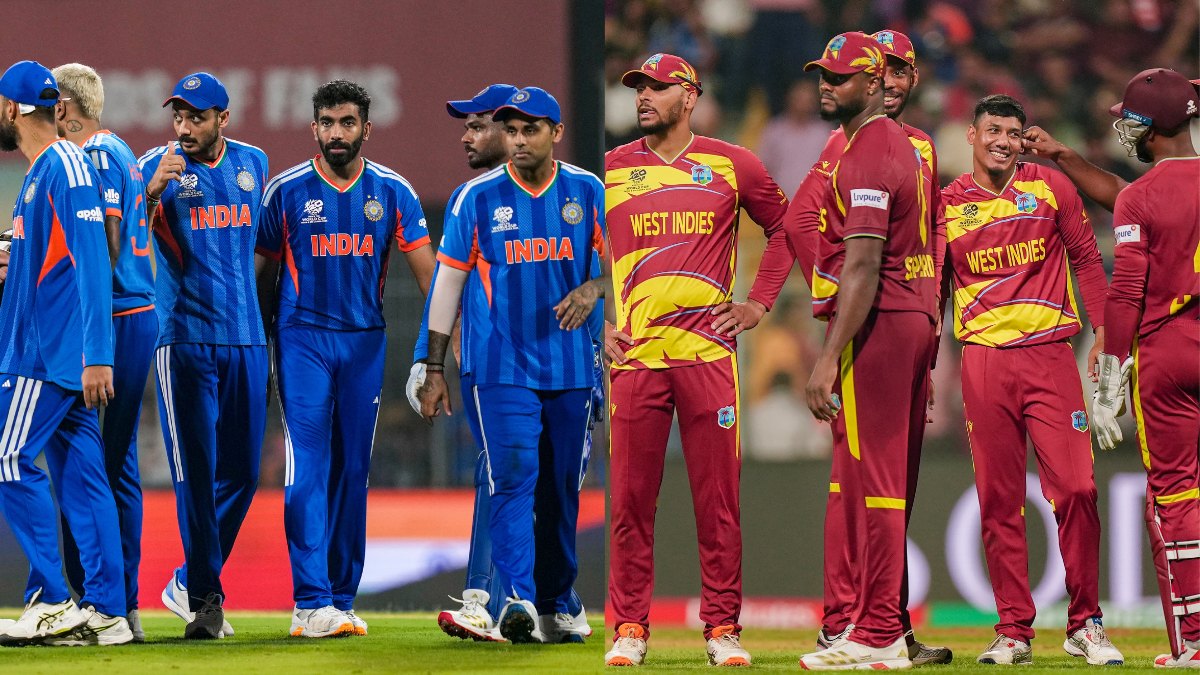
How to Analyse a T20 Match Scorecard
A scorecard records the main details of a match, including batting figures, bowling performances, extras, fall of wickets, and the final result. Learning to read these details helps fans understand why one team succeeded and the other struggled.
Batting figures typically include runs, balls faced, fours, sixes, and strike rate. Bowling figures usually show overs, maidens, runs conceded, wickets, and economy rate. The innings total also includes extras such as wides, no-balls, byes, and leg-byes where applicable.
A batter scoring 40 runs from 20 balls may have made a greater immediate contribution to a T20 chase than someone scoring 50 from 45 balls, although the match situation matters. Similarly, a bowler who takes two wickets while conceding very few runs may provide more control than one who takes wickets but gives away expensive overs.
When studying West Indies vs India T20 scorecards, readers should compare the required run rate with the actual scoring rate, examine partnerships, and identify when wickets fell. These details reveal whether a team lost momentum early, struggled against a particular bowling style, or failed to accelerate at the end.
Important Factors That Can Decide the Result
Several small details can determine the winner of a close T20 match. The first is the powerplay, when batters have an opportunity to score quickly but must also avoid losing too many wickets. A strong start can give a team the platform for a competitive total, while early breakthroughs can place the batting side under pressure.
The second factor is middle-over control. Teams that maintain a steady scoring rate without losing wickets can create a strong foundation for the final overs. Bowlers who use variations effectively can interrupt partnerships and prevent the opposition from building momentum.
The third factor is finishing ability. A team may dominate for much of an innings but still lose control during the final overs. Batters need to select suitable deliveries to attack, while bowlers must execute their plans under pressure.
Fielding is another important consideration. Dropped catches, missed run-out opportunities, and unnecessary overthrows can change the result of a closely contested game. Strong communication and disciplined fielding help teams protect runs and create additional wicket-taking opportunities.
Finally, adaptability matters. Successful T20 teams recognise when to attack, when to consolidate, and when to change their bowling combinations. The side that makes better decisions under pressure often gains the decisive advantage.
Why Fans Follow West Indies vs India T20 Cricket
The rivalry appeals to cricket fans because it combines different styles of batting, bowling, and tactical decision-making. India’s depth and structured approach create one type of challenge, while West Indies’ explosive hitting and attacking instincts provide another. These differences make the matches engaging even when one side appears to have an advantage.
Fans also follow the contest to evaluate individual form, compare team combinations, and understand how players perform under pressure. Young cricketers can use these matches to gain experience, while established players have opportunities to demonstrate leadership and consistency.
T20 cricket also suits modern audiences because matches are relatively short and feature frequent changes in momentum. A single over can transform a chase, and a late partnership can overturn a seemingly comfortable position. This unpredictability encourages supporters to examine statistics, tactics, and individual performances rather than focusing only on the final score.
Conclusion
West Indies vs India T20 cricket offers an exciting combination of powerful batting, tactical bowling, competitive team selection, and unpredictable match situations. Both teams possess qualities that can influence a result, but success depends on adapting to the venue, building partnerships, controlling the middle overs, and executing plans during the closing stages.
For a complete understanding of the rivalry, fans should study head-to-head records, recent form, confirmed playing XIs, pitch conditions, and detailed scorecards. Historical statistics provide useful context, but each match presents a fresh challenge. By examining these elements together, readers can develop a clearer understanding of the strengths, weaknesses, and strategies that shape every India-West Indies T20 encounter.