

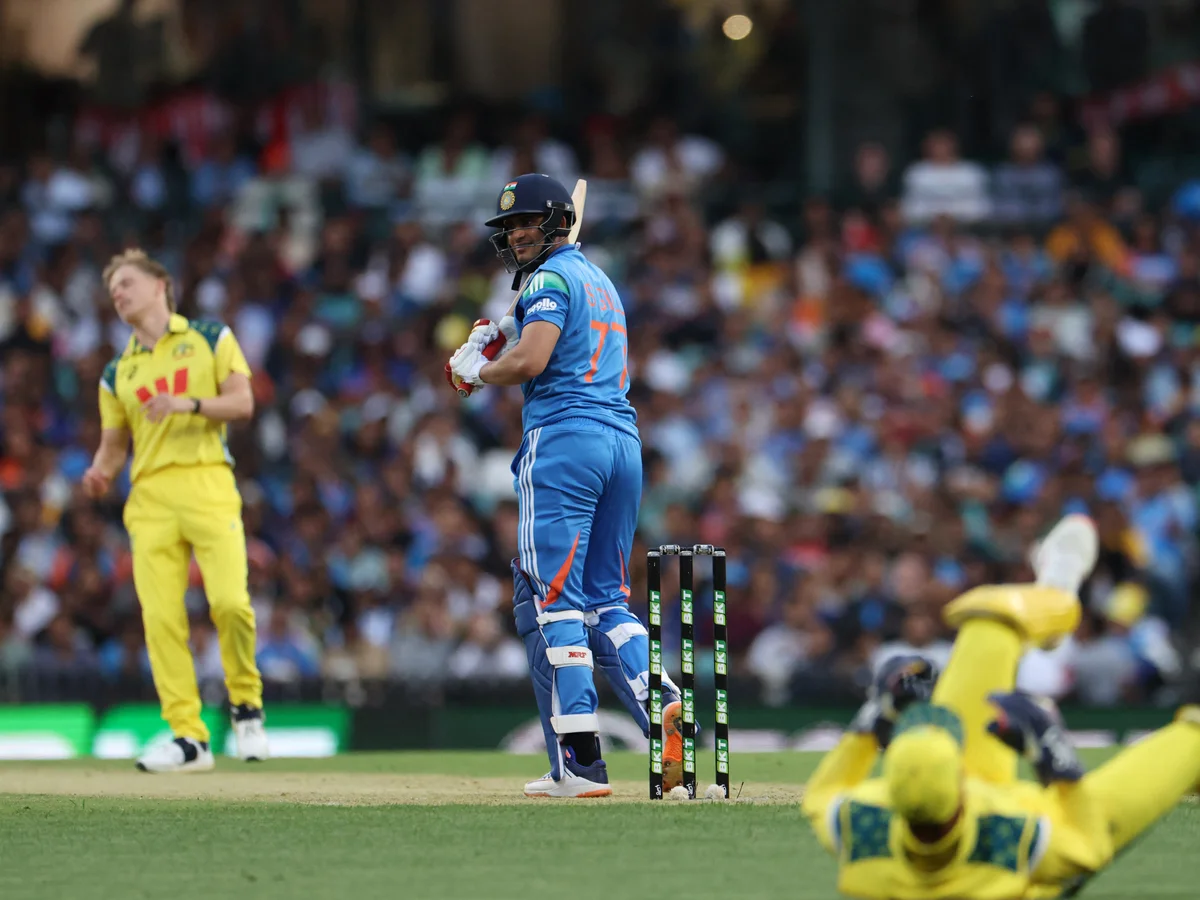
The Australian men’s cricket team and the India national cricket team share one of the most competitive rivalries in international cricket. Their matches attract millions of fans because both teams feature technically skilled batters, fast bowlers, experienced all-rounders and outstanding fielders. Whether the contest takes place in Test cricket, One Day Internationals (ODIs) or Twenty20 Internationals (T20Is), every encounter can produce memorable performances and dramatic changes in momentum.
Fans searching for the australian men’s cricket team vs india national cricket team match scorecard generally want to understand the complete match result, individual batting scores, bowling figures, partnerships, extras and the margin of victory. A scorecard provides these details in a structured format, making it easier to assess how each team performed. However, the exact scorecard depends on the match, format and date. This guide explains how to read the scorecard, identify the most important statistics and understand the performances that influence the result.
Understanding the Match Scorecard
A cricket scorecard is a statistical summary of a match. It records the runs scored by each batter, the number of balls faced, boundaries, dismissals, bowling figures and the total accumulated by each team. It also identifies the innings result and explains whether a team won by runs, wickets or another applicable method.
When reviewing the australian men’s cricket team vs india national cricket team match scorecard, readers should first identify the match format and date. A Test match can include four innings across several days, while an ODI normally allows each team up to 50 overs. A T20I usually features a maximum of 20 overs per side. These differences influence scoring rates, bowling strategies and the significance of individual performances.
The scorecard should also be read alongside the match summary. A batter scoring 70 runs from 45 balls has contributed differently from one scoring 70 from 100 deliveries. Similarly, a bowler taking three wickets while conceding few runs may have had a greater influence than a bowler who took one wicket at a high economy rate.
Key Details to Check in the Scorecard
The most useful scorecard contains several important categories. Each category explains a different part of the match and helps readers compare the two sides fairly.
|
Scorecard detail |
What it tells readers |
|---|---|
|
Match format |
Whether the game is a Test, ODI or T20I |
|
Team total |
Total runs scored by each team |
|
Overs played |
Number of overs completed |
|
Batting figures |
Runs, balls faced, fours, sixes and strike rate |
|
Bowling figures |
Overs, wickets, runs conceded and economy rate |
|
Fall of wickets |
When batters were dismissed and the score at each dismissal |
|
Extras |
Runs awarded through wides, no-balls, byes and leg-byes |
|
Match result |
Winning team and margin of victory |
|
Player of the Match |
Player recognised for an outstanding overall contribution |
These details make the australian men’s cricket team vs india national cricket team match scorecard valuable for casual supporters, cricket analysts and people researching previous encounters. The scorecard can also reveal whether the result came from dominant batting, disciplined bowling, effective partnerships or pressure during the final overs.
Australia vs India Batting Performance Analysis
Batting is one of the first areas to examine when evaluating an Australia–India contest. Both teams have produced accomplished batters capable of building long innings, accelerating scoring and changing the direction of a game. However, the importance of an individual score depends on the match situation, pitch conditions and required run rate.
In Test cricket, a batter’s ability to occupy the crease, manage movement and build partnerships is particularly important. A patient innings of 80 runs may provide a strong foundation for a substantial team total. In ODIs, batters must balance stability with scoring acceleration, especially during the middle and final overs. T20 cricket places greater emphasis on boundary hitting, quick running and maintaining a high scoring rate.
When analysing batting figures, readers should consider more than the highest individual score. The number of balls faced, strike rate, boundary count and partnerships provide additional context. A batter who scores quickly at a crucial stage can create opportunities for teammates, while a player who prevents a collapse may be equally important.
A useful batting analysis should cover these points:
-
Top scorer: Identify the batter who contributed the most runs.
-
Strike rate: Assess how quickly the batter scored.
-
Partnerships: Examine which batting combinations added important runs.
-
Middle-order contribution: Determine whether the team recovered after early wickets.
-
Finishing performance: Check whether the lower order added valuable runs near the end.
These statistics help explain how Australia or India established a competitive total and whether the batting approach suited the conditions.
Bowling Performance and Wicket-Taking Strategies
Bowling figures are essential for understanding how a match developed. Australia’s pace attack has traditionally been associated with bounce, movement and sustained pressure, while India’s bowling resources have included skilful fast bowlers, spinners and versatile all-rounders. The effectiveness of either attack depends on conditions, player availability and the format being played.
A scorecard records the number of overs bowled, runs conceded, wickets taken, maiden overs and economy rate. These figures reveal whether a bowler controlled scoring, broke important partnerships or struggled to contain aggressive batters. In limited-overs cricket, economy rate is especially useful because restricting runs can force the opposition into risky shots.
Wickets must also be considered in context. A bowler who removes established batters may have a greater influence than someone who dismisses lower-order players after the result is nearly decided. Similarly, a spell that slows the scoring rate can be decisive even when it produces relatively few wickets.
When reviewing the bowling section, focus on:
-
The bowler who took the most wickets.
-
The most economical bowling spell.
-
Wickets taken during the powerplay or early innings.
-
Middle-over spells that interrupted partnerships.
-
Death-over execution in ODIs and T20Is.
-
The contribution of spinners on surfaces that assist turn.
The australian men’s cricket team vs india national cricket team match scorecard becomes much more informative when these bowling statistics are compared with the opposition’s batting figures.
Match Summary Table and Result Analysis
A match summary provides a quick overview before readers examine individual player statistics. Because the keyword does not identify a particular fixture, the following table is a guide to the information readers should record rather than an invented scorecard for a specific match.
|
Match information |
Details to record |
|---|---|
|
Teams |
Australia vs India |
|
Date |
Date of the selected fixture |
|
Venue |
Stadium and host city |
|
Format |
Test, ODI or T20I |
|
Toss winner |
Team that won the toss |
|
First innings |
Runs, wickets and overs |
|
Second innings |
Runs, wickets and overs |
|
Leading batter |
Player with the highest score |
|
Leading bowler |
Player with the most influential figures |
|
Final result |
Winner and margin |
|
Player of the Match |
Award recipient, if announced |
Once these details are available, readers can determine whether the winning side dominated throughout the game or recovered from a difficult position. The innings totals show the overall scoring pattern, while wickets and overs explain how efficiently each side used its opportunities.
The venue is also relevant. A pitch offering pace and bounce can reward aggressive fast bowling, whereas a slower surface may favour spin and careful shot selection. Weather interruptions can alter limited-overs targets and affect the interpretation of the final result.
Memorable Australia vs India Cricket Rivalry
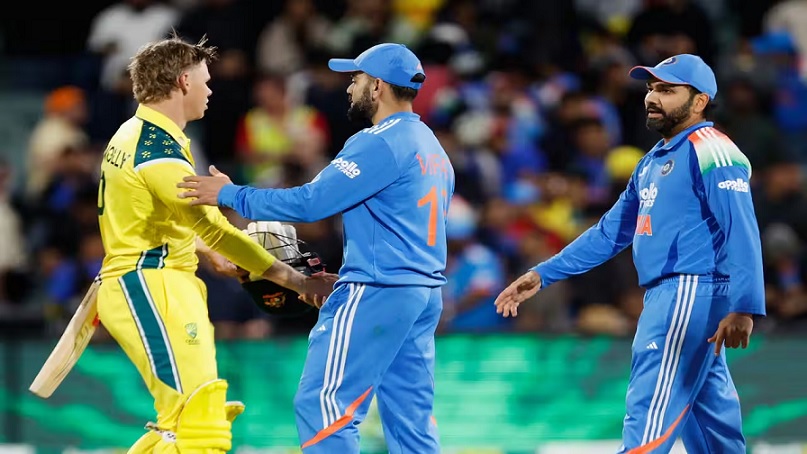
Australia and India have built a rivalry that spans generations of international cricket. Their encounters have included closely fought Test series, high-scoring ODI contests, World Cup matches and exciting T20I finishes. Both teams have regularly featured players capable of delivering match-winning performances under pressure.
Test cricket has provided some of the rivalry’s most demanding contests, requiring patience, technical discipline and tactical adjustments over several days. ODI matches have highlighted the importance of batting depth, bowling changes and managing the final overs. T20Is, meanwhile, can change direction within a handful of deliveries, making every partnership and bowling spell important.
The rivalry also attracts attention because both teams combine experienced international performers with emerging talent. Established batters may provide stability, while younger players can introduce fresh energy and aggressive tactics. Coaches and captains must balance these strengths when selecting teams and setting strategies.
For fans researching historical encounters, it is important to distinguish between bilateral series, tournament matches and individual fixtures. The same two teams can produce very different results depending on the format, venue and conditions. A useful historical comparison therefore considers the circumstances behind each scorecard rather than relying only on final totals.
How to Read a Cricket Scorecard Correctly
A scorecard contains abbreviations and statistics that can appear confusing to new cricket followers. Understanding a few common terms makes it easier to interpret the match without needing extensive cricket knowledge.
Runs and balls: These indicate how many runs a batter scored and how many legal deliveries they faced.
Strike rate: In limited-overs cricket, this measures runs scored per 100 balls faced. A higher figure generally indicates faster scoring.
Economy rate: This measures the average number of runs a bowler concedes per over. A lower rate often indicates effective control.
Overs: Overs show how much of the innings has been completed. An over normally contains six legal deliveries, although wides and no-balls require additional deliveries.
Extras: These are runs not credited directly to a batter and may include wides, no-balls, byes and leg-byes.
Fall of wickets: This records the team score when each batter was dismissed, helping readers understand the progression of the innings.
Not out: A batter marked not out remained at the crease when the innings ended.
Readers should also remember that a score shown as 250/7 means the team scored 250 runs and lost seven wickets. In limited-overs cricket, the number of overs completed is usually displayed alongside the total.
Factors That Influence Australia vs India Match Results
Several factors influence the outcome of a contest between these teams. Player form is important, but it is only one part of the wider picture. Conditions, team selection, tactical decisions and execution under pressure can all affect the final scorecard.
Pitch conditions determine how the ball behaves and influence whether teams favour additional fast bowlers, spinners or batting depth. Weather may affect swing, visibility and playing time. In limited-overs matches, a rain interruption can also change the target under the applicable calculation method.
The toss can influence a captain’s decision to bat or bowl first, particularly when conditions are expected to change. However, winning the toss does not guarantee victory. Teams must still use their resources effectively, manage partnerships and take wickets at the right moments.
Other important factors include:
-
Fitness and availability of key players.
-
The ability to handle pressure during close finishes.
-
Fielding standards and the number of missed chances.
-
Captaincy decisions and bowling changes.
-
Batting depth and all-rounder contributions.
-
Adaptation to the venue and match format.
Evaluating these factors alongside the statistics provides a more complete understanding of why one team won and the other lost.
Where to Find the Correct Match Scorecard
The precise scorecard depends on which Australia–India match you want to review. Both teams meet across multiple formats and series, so searching only by team names may produce several different results.
For accurate information, identify the match date, format and venue whenever possible. Then check the innings totals, individual batting performances, bowling figures and official result. If you are researching a series, distinguish between each individual match and the overall series outcome.
A complete scorecard should ideally include both innings, dismissals, extras, fall of wickets, bowling figures and the match summary. For historical matches, checking an established cricket record or official match archive helps reduce the risk of confusing statistics from different fixtures.
The australian men’s cricket team vs india national cricket team match scorecard is a useful search term for locating these records, but the exact fixture is necessary to provide verified player-by-player scores rather than general analysis.
Frequently Asked Questions
1. What does an Australia vs India match scorecard include?
It generally includes team totals, individual batting scores, balls faced, boundaries, bowling figures, extras, fall of wickets and the final result. Some scorecards also provide partnerships, commentary and player awards.
2. How can I identify the highest scorer?
Look at the runs column in the batting section for both teams. The player with the highest individual total is the leading scorer for that match.
3. Why are bowling figures important?
Bowling figures show how many runs a bowler conceded, how many wickets they took and how many overs they delivered. These statistics help explain the pressure applied to the batting team.
4. Are Test, ODI and T20I scorecards different?
Yes. Test matches may contain multiple innings per team, while ODIs and T20Is normally feature one innings per team. The permitted overs and tactical priorities also differ.
5. Can I find the scorecard without knowing the date?
You may find several results by searching the team names and match format, but a date, tournament or venue makes it easier to identify the correct fixture.
Conclusion
The Australia–India cricket rivalry continues to attract attention because it combines competitive team performances, tactical battles and individual excellence. A detailed scorecard helps readers understand how runs were accumulated, which bowlers made breakthroughs and how the match reached its final result.
For anyone researching the australian men’s cricket team vs india national cricket team match scorecard, the most important step is identifying the exact fixture before interpreting the statistics. Reviewing batting figures, bowling performance, partnerships, venue conditions and the final margin provides a clearer picture of the contest. With these details, cricket fans can move beyond the result and appreciate the strategy, skill and pressure that shape every Australia versus India encounter.