

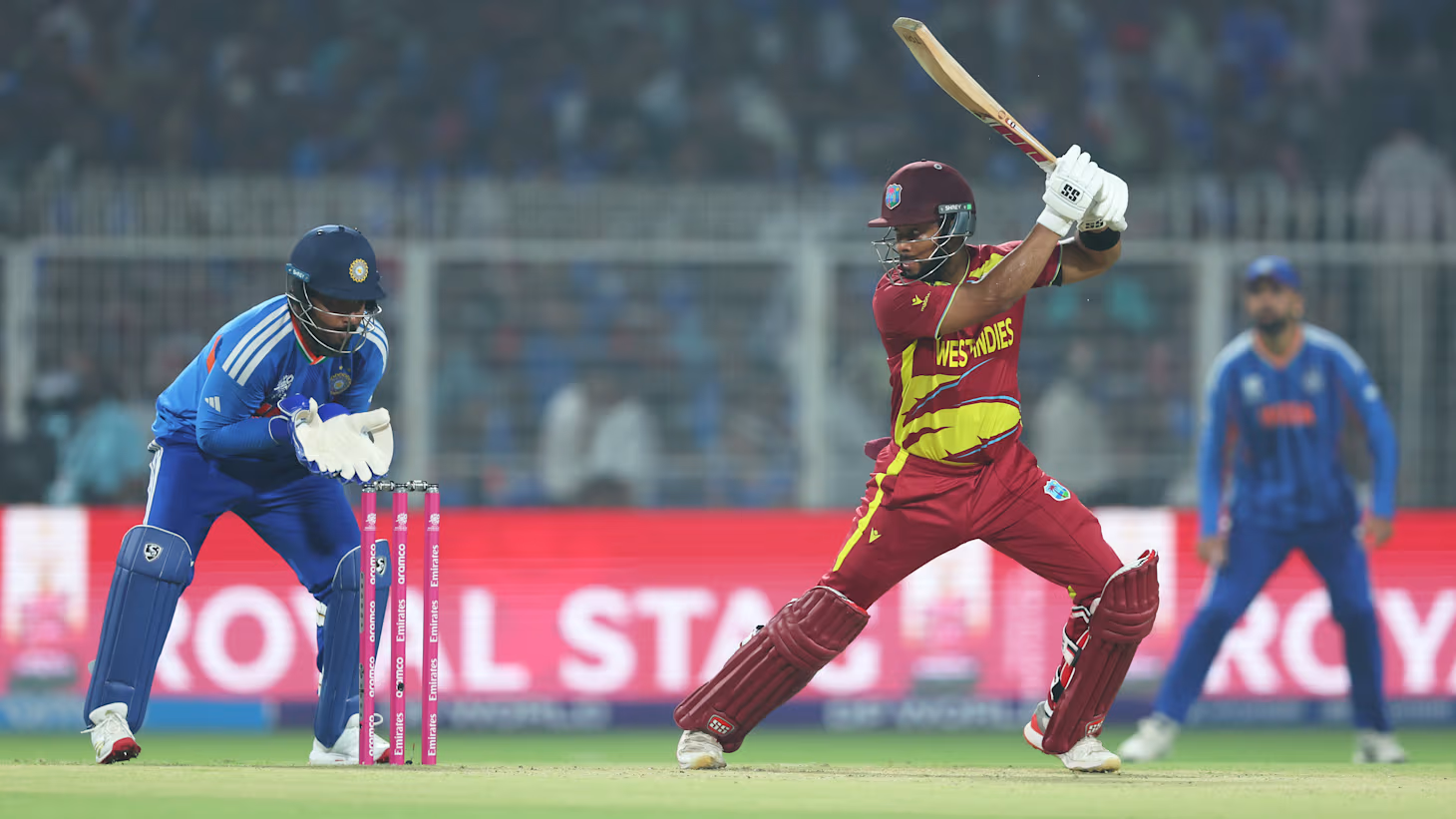
The India national cricket team and the West Indies cricket team have shared one of the most fascinating rivalries in international cricket. Their encounters have produced legendary performances, unforgettable victories, outstanding batting displays, and remarkable bowling spells across Test matches, One Day Internationals (ODIs), and Twenty20 Internationals (T20Is). Both teams have experienced different periods of dominance, making their contests interesting for fans who appreciate cricketing history and modern competition.
India has developed into a powerful cricketing nation through its talented batters, disciplined bowlers, and strong all-rounders. West Indies, meanwhile, earned worldwide respect through its dominant fast-bowling attacks and explosive batting during the golden era of Caribbean cricket. Every India national cricket team vs West Indies cricket team match brings together contrasting playing styles, passionate supporters, and opportunities for individual players to make history. Understanding this rivalry requires looking at its origins, famous players, important matches, tactical approaches, and continuing significance in international cricket.
History of India vs West Indies Cricket
The rivalry between India and West Indies began in the early years of India’s international cricket journey. Their first Test series took place in the 1948–49 season when West Indies toured India. At that time, Caribbean cricket already featured several gifted players, while India was establishing its identity in international competition. These early meetings helped create a sporting relationship that would grow through several generations of cricketers.
During the 1960s and 1970s, West Indies became one of the strongest teams in the world. Its combination of technically gifted batters and intimidating fast bowlers made it difficult for opponents to compete consistently. India, however, developed its own strengths through outstanding batting talent, quality spin bowling, and determined performances at home and abroad. Over the decades, the rivalry evolved as both teams introduced new players and adapted to changing formats. The history of their matches reflects the broader development of international cricket, from traditional five-day contests to fast-paced limited-overs tournaments.
Memorable India vs West Indies Matches
Several encounters between these teams have become important chapters in cricket history. One of the most famous came during the 1983 Cricket World Cup final at Lord’s, where India defeated the previously dominant West Indies to win its first men’s ODI World Cup. India defended a modest total of 183, bowling out the Caribbean side for 140. The result transformed Indian cricket and demonstrated that West Indies could be challenged on the biggest stage.
Another memorable chapter arrived during the 2016 ICC Men’s T20 World Cup semifinal. West Indies chased India’s total of 192 for two, reaching the target with seven wickets remaining. Lendl Simmons played a decisive innings, while Andre Russell and other batters helped finish the chase. These contrasting results illustrate why an India national cricket team vs West Indies cricket team match can be difficult to predict. Historic reputation matters, but the conditions, team selection, and performances on the day often determine the final outcome.
Major Cricket Formats and Their Differences
India and West Indies compete in three main international formats, each demanding different skills and strategies. Test cricket rewards patience, technique, concentration, and the ability to maintain pressure over several days. ODI cricket requires teams to balance steady partnerships with scoring acceleration, while T20I cricket places greater emphasis on rapid scoring, innovative shots, and flexible bowling plans.
The conditions can influence each format differently. Indian pitches often provide opportunities for spin bowlers, particularly as matches progress, although conditions vary between venues. Caribbean grounds also offer different combinations of pace, bounce, and spin depending on the location and surface. Teams must therefore prepare carefully instead of relying on historical results alone. In modern cricket, successful sides use detailed analysis, fitness preparation, adaptable batting orders, and specialized bowling roles to gain an advantage in every format.
Important Players in the Rivalry
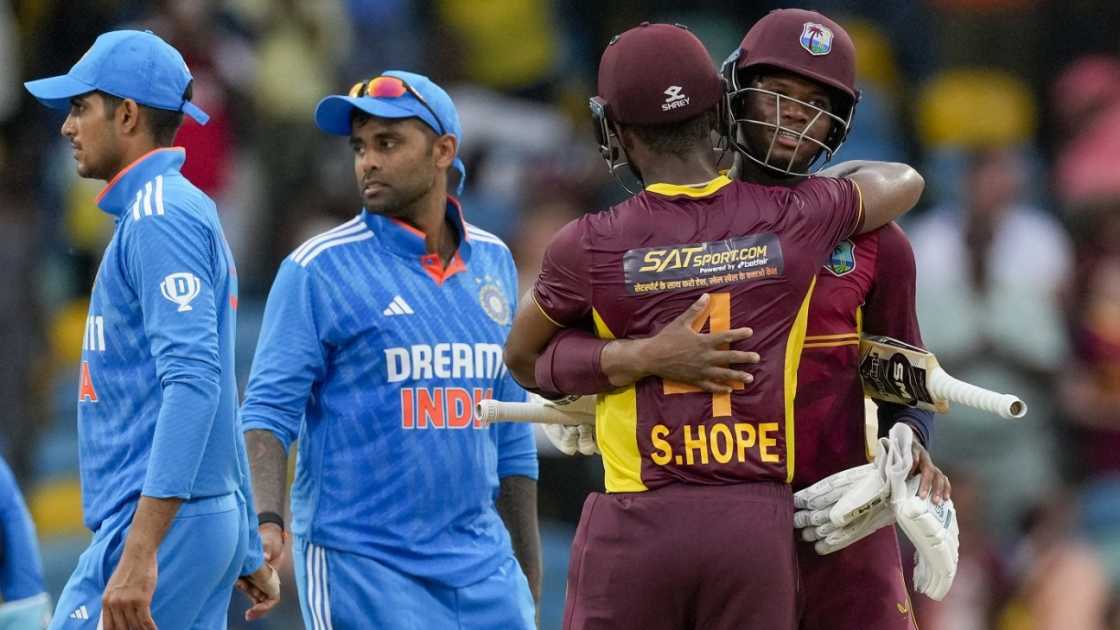
Many celebrated cricketers have contributed to the legacy of India-West Indies contests. For India, Sunil Gavaskar, Kapil Dev, Sachin Tendulkar, Rahul Dravid, Virat Kohli, Rohit Sharma, and Jasprit Bumrah represent different generations of excellence. Their contributions include technically accomplished batting, match-winning bowling, leadership, and performances under pressure.
West Indies has also produced extraordinary players, including Sir Vivian Richards, Clive Lloyd, Gordon Greenidge, Brian Lara, Chris Gayle, Shivnarine Chanderpaul, and modern T20 specialists such as Nicholas Pooran and Andre Russell. Their abilities range from patient Test batting to powerful stroke play and aggressive bowling. These players have helped make the rivalry attractive to cricket audiences around the world. Individual brilliance frequently becomes a defining feature of an India national cricket team vs West Indies cricket team match, particularly when a batter builds a major innings or a bowler changes the momentum through a crucial spell.
Key Facts About India vs West Indies Cricket
The following table summarizes the main features of this international rivalry.
| Category | Key Information |
|---|---|
| Teams | India and West Indies |
| Governing bodies | BCCI and Cricket West Indies |
| International formats | Test, ODI, and T20I |
| First Test series | 1948–49 |
| Historic ODI milestone | India’s 1983 World Cup final victory |
| Famous Indian players | Kapil Dev, Sunil Gavaskar, Sachin Tendulkar, Virat Kohli |
| Famous West Indies players | Vivian Richards, Brian Lara, Chris Gayle, Clive Lloyd |
| Main factors affecting results | Pitch, conditions, form, selection, and tactics |
| Common fan interests | Live scores, scorecards, statistics, and match results |
The table provides a useful overview, but the details of a particular fixture depend on the match date, venue, format, and participating squads. Fans looking for a specific result should distinguish between historical records and the latest match information rather than treating the rivalry as a single continuous competition.
Batting Strategies and Match-Winning Performances
Batting has played a central role in many India-West Indies encounters. Indian teams have often relied on building partnerships, rotating the strike, and accelerating when scoring opportunities appear. Players with strong technique can help India manage challenging bowling spells, while aggressive stroke-makers can change the pace of an innings quickly.
West Indies has traditionally been associated with powerful batting, particularly in limited-overs cricket. Its best batters can clear the boundary with remarkable consistency, making even large targets achievable. Nevertheless, power alone does not guarantee success. Batters must judge the pitch, identify suitable scoring areas, and avoid losing wickets in clusters. A successful innings frequently combines controlled aggression with sensible decision-making. When examining a match scorecard, fans should consider more than the final runs scored: strike rate, partnerships, boundaries, dot balls, and the timing of wickets all help explain how the innings developed.
Bowling Battles and Fielding Contributions
Bowling performances frequently determine the direction of matches between India and West Indies. India’s bowling strength has included accomplished spinners, accurate seamers, and fast bowlers capable of producing movement and bounce. Depending on the conditions, teams may use spin to control the middle overs or pace to attack early and late in an innings.
West Indies has a long tradition of producing fast bowlers who challenge batters with speed and bounce. Its modern bowling combinations can also include spinners and versatile players suited to shorter formats. Effective bowling requires more than taking wickets; restricting runs and forcing batters into mistakes can be equally important. Fielding adds another dimension through catches, run-outs, and boundary-saving efforts. A dropped catch or a missed run-out opportunity may change a close contest, while sharp fielding can build pressure. Fans assessing a match should therefore examine economy rates, wickets, bowling changes, and fielding moments alongside batting figures.
How to Follow a Match Scorecard
A scorecard offers a structured explanation of what happened during a match. It records team totals, individual batting performances, bowling figures, dismissals, extras, and the final result. Reading these details allows supporters to understand the contest beyond the headline score.
When following an India national cricket team vs West Indies cricket team match, pay attention to these important details:
- Total runs and wickets: These show how successfully each team performed with the bat.
- Overs and run rate: These reveal the scoring speed and remaining opportunities.
- Batting partnerships: These explain how players built or recovered an innings.
- Bowling figures: Wickets, runs conceded, and overs help measure bowling effectiveness.
- Fall of wickets: This identifies the moments when a team lost momentum.
- Toss and playing conditions: These provide context for the decisions made by both captains.
- Result and margin: These establish which team won and how decisive the victory was.
A scorecard becomes even more informative when compared with the pitch conditions and match situation. For example, a total that appears modest on a difficult surface may be highly competitive, whereas a larger total on a flat pitch may leave the bowling team with considerable work to do.
Factors That Can Decide the Next Encounter
Several factors can influence the outcome of a future meeting between India and West Indies. Current player form is essential because established reputations do not always translate into immediate success. Injuries, workload management, squad rotation, and the availability of specialist players can also affect team balance.
The venue is equally important. A pitch offering turn may encourage captains to select additional spinners, while a surface with pace and bounce may favour fast bowlers. Weather, humidity, dew, and the toss can influence tactical decisions, particularly in limited-overs matches. Teams also need a clear approach to powerplays, middle overs, and the final overs of an innings. India may look to combine disciplined bowling with batting depth, while West Indies may seek to use its power hitters and athletic players to generate momentum. Ultimately, execution under pressure matters more than assumptions based on past encounters.
Why This Rivalry Remains Popular
The India-West Indies rivalry continues to attract attention because it combines historical significance with contrasting cricketing traditions. Indian supporters follow the team’s technical batting, tactical development, and emerging talent, while West Indies fans celebrate the region’s flair, creativity, and legacy of world-class players. The meetings also create opportunities for young cricketers to establish themselves against respected international opponents.
The rivalry remains relevant across all formats, although the nature of the contest changes with the game. Test matches emphasize endurance and strategic discipline, ODIs reward balance and consistency, and T20Is create opportunities for rapid momentum shifts. Fans also enjoy comparing generations, examining statistics, and revisiting famous performances. Each new series adds another chapter to a relationship shaped by iconic victories, difficult defeats, and memorable individual achievements.
Conclusion
The India-West Indies cricket rivalry represents an important part of international cricket history. From the early Test meetings to India’s historic 1983 World Cup triumph and West Indies’ memorable T20 victories, their contests have delivered drama and exceptional performances. Both teams have contributed legendary players, distinctive tactics, and moments that remain meaningful to cricket supporters.
Following an India national cricket team vs West Indies cricket team match is most rewarding when fans consider the complete picture, including player form, pitch conditions, batting partnerships, bowling spells, and tactical decisions. Historical results provide valuable context, but every new encounter presents a fresh challenge. As cricket continues to evolve, India and West Indies will have further opportunities to produce competitive matches and memorable performances for audiences around the world.