

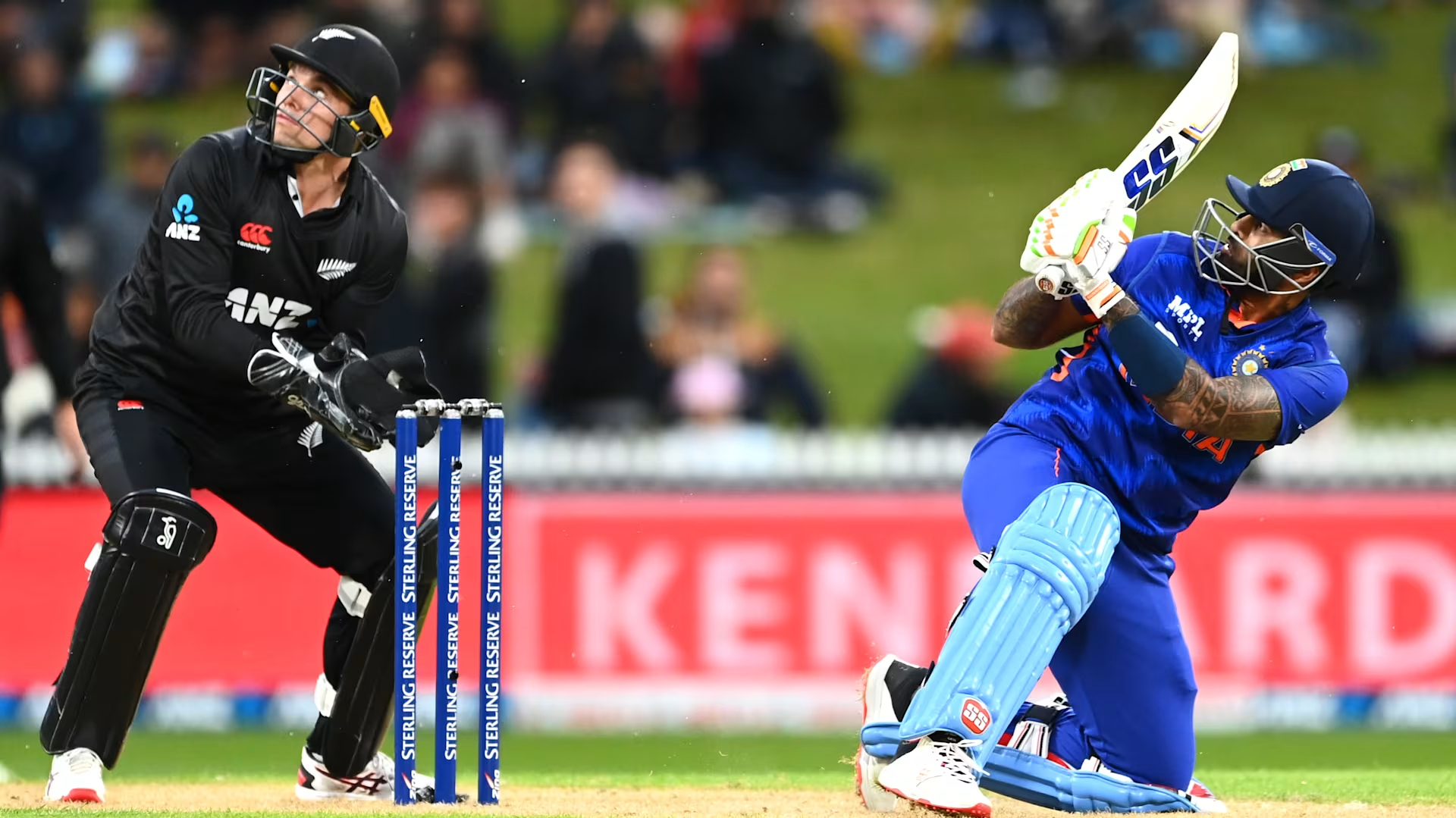
The rivalry between the India national cricket team and the New Zealand national cricket team has developed into one of the most compelling matchups in international cricket. Over the decades, both teams have delivered memorable performances across Test matches, One Day Internationals (ODIs), and Twenty20 Internationals (T20Is). India has often relied on its batting depth, spin bowling, and passionate home support, while New Zealand has earned respect for its disciplined bowling, adaptable players, and calm approach under pressure.
The India national cricket team vs New Zealand national cricket team timeline highlights a journey filled with historic victories, dramatic finishes, World Cup encounters, and major tournament finals. From their first Test meetings in the early years of international cricket to modern contests featuring world-class players, the two sides have consistently challenged each other. Their rivalry is particularly interesting because conditions often influence the outcome: India can be formidable on turning pitches, while New Zealand’s seam-friendly conditions can test visiting batters. These contrasting strengths have made every generation of the rivalry distinctive.
The Beginning of the India vs New Zealand Cricket Rivalry
India and New Zealand first faced each other in Test cricket in 1955, when New Zealand toured India. The series marked an important stage in the development of both teams and helped establish a competitive relationship between two nations with different cricketing traditions. India was building its identity in international cricket, while New Zealand was working to become more consistent against established Test-playing countries.
The early encounters were often defined by patience, defensive batting, and the importance of bowling partnerships. Test cricket was the primary format, so matches frequently focused on endurance and tactical decision-making rather than fast scoring. India’s home conditions introduced visiting players to slower surfaces and spin bowling, while New Zealand’s playing style emphasized discipline and careful preparation. These first meetings created the foundation for a rivalry that would later extend into limited-overs cricket and major international tournaments.
Over time, the India national cricket team vs New Zealand national cricket team timeline expanded beyond bilateral Test series. The introduction and growth of ODI cricket brought a different dimension to their contests, requiring teams to balance scoring speed with wicket preservation.
Major Milestones in the India vs New Zealand Cricket Timeline
The rivalry has evolved through several important stages, with each decade adding new achievements and unforgettable matches. The following table highlights key milestones that help explain how the competition developed across formats.
| Year | Match or event | Historical significance |
|---|---|---|
| 1955–56 | First Test series in India | India won the five-match series 2–0, with three draws. |
| 1967–68 | India’s tour of New Zealand | India recorded a landmark Test series victory away from home. |
| 1975 | First ODI World Cup era | Limited-overs cricket added a new dimension to the rivalry. |
| 2000 | ICC KnockOut Trophy final | New Zealand defeated India to win a major ICC title. |
| 2019 | Cricket World Cup semi-final | New Zealand defeated India by 18 runs. |
| 2021 | World Test Championship final | New Zealand beat India to become inaugural champions. |
| 2023 | Cricket World Cup semi-final | India defeated New Zealand by 70 runs. |
| 2024 | Test series in India | New Zealand achieved a historic 3–0 series victory. |
| 2025 | ICC Champions Trophy final | India defeated New Zealand to win the tournament. |
| 2026 | ODI series in India | New Zealand won the three-match series 2–1. |
Historical results summarized from cricket archives and published match records.
The Rise of ODI Cricket and World Cup Encounters
One Day International cricket transformed the rivalry by introducing limited overs, faster scoring, and more aggressive tactical decisions. The Cricket World Cup became a major stage where both teams could test their strengths against the world’s best sides. India gradually developed into a powerful ODI team, supported by technically accomplished batters and increasingly versatile bowling attacks. New Zealand, meanwhile, built a reputation for organization, consistency, and effective use of its seam bowlers.
World Cup meetings have frequently attracted attention because knockout matches leave little room for mistakes. Both sides have experienced periods of dominance, but their results have depended heavily on match conditions, individual performances, and pressure management. Indian batters have often looked to establish control through partnerships, while New Zealand has used disciplined bowling and sharp fielding to create opportunities. These contrasting approaches have made their ODI contests tactically fascinating and strengthened the significance of the India national cricket team vs New Zealand national cricket team timeline for cricket followers.
The 2000 ICC KnockOut Trophy Final
The 2000 ICC KnockOut Trophy final was an important moment in New Zealand cricket history. India posted 264 for 6 in the final in Nairobi, setting New Zealand a challenging target. New Zealand successfully chased the total, reaching 265 for 6 in 49.4 overs to win by four wickets.
Chris Cairns played a decisive role with an unbeaten century, finishing on 102 and guiding his team through a difficult chase. His innings demonstrated how composure and calculated aggression could change the course of a major final. For New Zealand, the victory represented a landmark international trophy success. For India, it was a reminder that strong totals could still be overcome by a determined batting performance.
This final remains a significant chapter in the rivalry because it showcased New Zealand’s ability to perform under pressure on a major stage. It also helped establish a pattern that would appear in later ICC competitions: New Zealand could be particularly dangerous when a match reached its decisive moments.
The Dramatic 2019 Cricket World Cup Semi-Final
The 2019 Cricket World Cup semi-final at Manchester remains one of the most memorable matches between the teams. New Zealand batted first and scored 239 for 8 in a rain-affected contest. India’s chase was interrupted by a collapse against New Zealand’s disciplined bowling attack.
India were eventually dismissed for 221, giving New Zealand an 18-run victory under the Duckworth–Lewis–Stern method. Matt Henry and other members of the New Zealand bowling attack applied pressure through accurate deliveries and timely wickets. India’s top order struggled to build the stable start required for a successful chase, although the lower order attempted to revive the innings.
The match demonstrated the importance of handling pressure in knockout cricket. India had entered the tournament with strong expectations, but New Zealand’s organized performance proved decisive. For New Zealand, the victory secured a place in the final and reinforced its reputation as a formidable tournament team.
The 2021 World Test Championship Final

India scored 217 in its first innings, while New Zealand responded with 249. India managed 170 in the second innings, leaving New Zealand a target of 139. New Zealand reached 140 for 2, winning by eight wickets and becoming the first World Test Championship champions.
Kane Williamson and Ross Taylor guided the successful chase with a composed partnership. Their performance illustrated the importance of experience, sound judgment, and calm decision-making in a high-pressure final. India’s bowlers had opportunities to create breakthroughs, but New Zealand’s batters handled the conditions effectively.
The final gave New Zealand a major ICC title and added a defining Test milestone to the rivalry. It also showed that success in championship cricket requires more than individual talent; teams must adapt to weather, pitch conditions, and changing match situations.
India’s Comeback in the 2023 World Cup Semi-Final
India and New Zealand met again in the 2023 Cricket World Cup semi-final at Mumbai’s Wankhede Stadium. This time, India produced a powerful performance in front of its home supporters. Batting first, India scored 397 for 4 in 50 overs, setting New Zealand a demanding target of 398.
Virat Kohli scored 117, recording his 50th ODI century, while Shreyas Iyer contributed a rapid 105. Their centuries gave India the momentum needed to post a formidable total. New Zealand continued to compete during the chase, with Daryl Mitchell scoring 134, but the required run rate and regular wickets eventually made the target unattainable.
India won by 70 runs and advanced to the World Cup final. Mohammed Shami was particularly influential with the ball, taking seven wickets in the match. The result provided a striking contrast with the 2019 semi-final, when New Zealand had eliminated India.
For fans following the India national cricket team vs New Zealand national cricket team timeline, this match stands out for its exceptional batting records and India’s emphatic response to an earlier knockout defeat.
New Zealand’s Historic Test Series Victory in India in 2024
New Zealand achieved a remarkable milestone during its 2024 tour of India by winning the three-match Test series 3–0. The result was particularly significant because India had traditionally been extremely difficult to defeat in home Test cricket.
The series began in Bengaluru, where India were bowled out for just 46 in the first innings. New Zealand took advantage of the opportunity and secured an eight-wicket victory. The visitors then won the second Test in Pune by 113 runs, using disciplined bowling and effective batting to maintain control.
The third Test in Mumbai was another closely contested encounter. New Zealand won by 25 runs, completing a historic clean sweep. Ajaz Patel’s effectiveness with spin and the team’s ability to manage challenging conditions were central to the outcome.
The series showed that New Zealand could succeed in Indian conditions through careful planning, accurate bowling, and sustained pressure. It also challenged assumptions about home advantage and became one of the most important modern milestones in the rivalry.
The 2025 Champions Trophy Final

India and New Zealand met in the 2025 ICC Champions Trophy final in Dubai, producing another important chapter in their tournament rivalry. New Zealand batted first and scored 251 for 7 in 50 overs, establishing a competitive target on a surface that required careful batting.
India responded with a controlled chase led by captain Rohit Sharma, who scored 76. Contributions from the middle order helped India manage the target without allowing the required run rate to become unmanageable. India reached 254 for 6 in 49 overs, winning by four wickets.
The victory gave India the Champions Trophy title and provided a successful conclusion to its tournament campaign. New Zealand had once again demonstrated its ability to compete in an ICC final, but India’s batting depth and experience proved decisive.
This final also illustrated how the rivalry has changed over time. Earlier encounters were often remembered for Test match endurance, while modern finals frequently combine strategic bowling, flexible batting orders, and careful management of pressure.
Comparing the Teams Across Cricket Formats
The teams bring different strengths to each format. Test cricket rewards patience, technique, and the ability to exploit conditions over several days. ODI cricket requires balance between building partnerships and accelerating at the right time, while T20I cricket places greater emphasis on innovation, strike rotation, and boundary hitting.
| Format | India’s traditional strengths | New Zealand’s traditional strengths |
|---|---|---|
| Test cricket | Batting depth and spin options | Seam bowling and disciplined partnerships |
| ODI cricket | Strong batting line-up and varied bowling | Tactical consistency and effective fielding |
| T20I cricket | Power hitting and flexible bowling combinations | Adaptability and inventive match strategies |
| ICC knockout matches | Individual match-winners and crowd support | Calm execution and team coordination |
These are broad tendencies rather than fixed rules. Both teams have skilled players capable of adapting to different surfaces, opponents, and match situations. A strong performance depends on selection, player fitness, current form, and how effectively each side responds to pressure.
Recent Results and the Modern Rivalry in 2026
The rivalry continued to produce competitive cricket in 2026. During the January ODI series in India, New Zealand recovered after losing the opening match to win the three-match series 2–1. India won the first ODI in Vadodara by four wickets, but New Zealand responded with victories by seven wickets in Rajkot and 41 runs in Indore.
These results demonstrated New Zealand’s ability to adjust during a series rather than depend on a single strong performance. India’s opening victory showed its capacity to chase a substantial target, while the visitors’ subsequent wins highlighted their batting depth and ability to defend totals.
The two teams were also scheduled for further international meetings later in 2026, including T20Is and other formats. These contests provide additional opportunities for new players to contribute and established stars to strengthen their records.
As the India national cricket team vs New Zealand national cricket team timeline continues, supporters can expect the rivalry to remain an important part of international cricket, particularly in bilateral series and ICC competitions.
What Makes This Cricket Rivalry Special?
Several factors make this matchup distinctive:
-
Different playing conditions: Indian pitches and New Zealand’s often seam-friendly surfaces test different technical skills.
-
High-pressure tournaments: Their World Cup and championship meetings have frequently carried major consequences.
-
Tactical variety: Both teams regularly adjust bowling combinations, batting orders, and fielding strategies.
-
Strong individual performances: Players from both sides have produced centuries, match-winning spells, and memorable partnerships.
-
Competitive balance: Neither side can assume victory based on reputation alone; conditions and execution often determine the outcome.
These qualities make the rivalry appealing to new followers and long-time cricket enthusiasts alike. Its history includes both dominant victories and narrow finishes, ensuring that individual matches continue to add new meaning to the broader story.
Conclusion
The India national cricket team vs New Zealand national cricket team timeline tells a story of changing cricket styles, historic achievements, and enduring competition. Beginning with Test cricket in 1955, the rivalry has grown to include ODI World Cups, T20 internationals, the World Test Championship, and Champions Trophy finals.
New Zealand’s 2000 ICC KnockOut Trophy victory, its 2019 World Cup semi-final triumph, and the 2021 World Test Championship title remain major achievements. India’s response through its 2023 World Cup semi-final victory, the 2025 Champions Trophy win, and numerous bilateral successes has added equally memorable chapters.
The 2024 Test series and the competitive ODI contests of 2026 show that the rivalry continues to evolve. Ultimately, its appeal lies in the contrast between the teams’ strengths, their ability to adapt, and the unpredictable nature of international cricket. Every new series adds another chapter to a history that remains compelling for cricket fans around the world.