

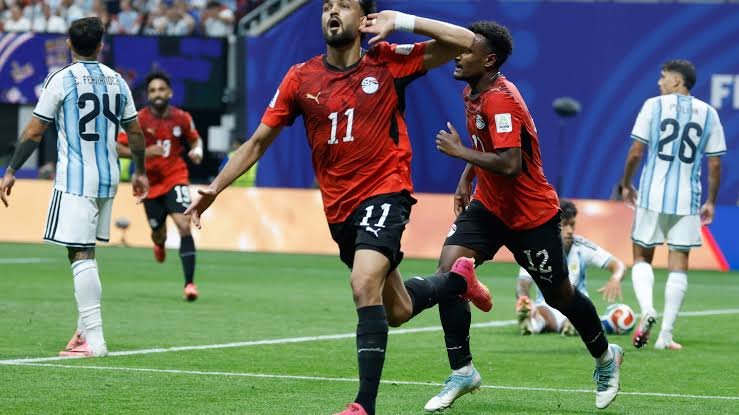
Argentina and Egypt represent two distinctive football traditions, bringing different strengths, tactical approaches, and international ambitions to the global game. Argentina has a celebrated history of winning major tournaments, producing legendary players, and developing technically gifted footballers. Egypt, meanwhile, is one of Africa’s most successful national teams, with a passionate football culture and a proud record in continental competitions. When supporters discuss argentina vs egypt, the conversation naturally turns to the contrast between South American creativity and African resilience.
A meeting between these national teams can attract attention from fans interested in international football, tactical matchups, and individual performances. Argentina often relies on possession, coordinated attacking movements, and experienced players who can influence decisive moments. Egypt can offer disciplined defending, quick transitions, and dangerous attacking options, particularly when space opens up behind the opposition’s defensive line. The outcome of any encounter would depend on the squads selected, player availability, match conditions, and tactical execution rather than reputation alone.
Argentina National Football Team Overview
Argentina is one of the most accomplished teams in international football. The national side has won the FIFA World Cup three times, in 1978, 1986, and 2022, and has produced generations of influential players. Diego Maradona and Lionel Messi are among the most celebrated names associated with Argentine football, while many other players have helped establish the country’s reputation for technical quality and competitive determination.
Argentina’s traditional strengths include close control, creative passing, intelligent movement, and the ability to change a match through individual brilliance. The team can build attacks patiently or move forward quickly when opponents leave space. Its midfielders often play an important role in connecting defensive phases with attacking opportunities, while the forwards look for gaps between defenders. Argentina’s success also reflects its ability to adapt to different opponents, combining attacking ambition with tactical discipline when necessary. These qualities make the national team a challenging opponent for sides from any continent.
Egypt National Football Team Overview
Egypt has a distinguished place in African football and is particularly famous for its success in the Africa Cup of Nations. The Pharaohs have won the continental championship seven times, with their most recent title coming in 2010. The national team has built a large and passionate following, and football remains a major part of the country’s sporting identity.
Egypt’s footballing strengths include tactical organisation, energetic performances, and the ability to create opportunities through fast attacking transitions. The team has produced prominent players who have competed at leading European clubs, helping raise the international profile of Egyptian football. Mohamed Salah is one of the best-known examples, recognised for his pace, movement, finishing, and ability to create chances from wide attacking positions. However, Egypt’s overall performance depends on the contribution of the entire squad, including its defenders, midfielders, and goalkeepers. Against an opponent such as Argentina, maintaining defensive concentration and using possession effectively would be particularly important.
Argentina vs Egypt Head-to-Head Record
The football history between these nations includes meetings across different eras and competitions. One of their notable earlier encounters took place in March 2008, when Argentina defeated Egypt 2–0 in an international friendly in Cairo. Their more recent meeting took place in the 2026 FIFA World Cup Round of 16, producing a dramatic contest that demonstrated how quickly international matches can change.
Argentina entered the matchup with greater experience in World Cup knockout football, while Egypt had an opportunity to demonstrate its progress against an elite opponent. The contrasting football cultures made the fixture interesting beyond the final result. Argentina’s technical ability and attacking depth were tested by Egypt’s organisation and determination, creating a competitive encounter that supporters could remember for its late drama.
Historical Match Results
| Date | Competition | Result |
|---|---|---|
| 6 June 1928 | Olympic football | Argentina 6–0 Egypt |
| 26 March 2008 | International friendly | Egypt 0–2 Argentina |
| 7 July 2026 | FIFA World Cup, Round of 16 | Argentina 3–2 Egypt |
Historical results are drawn from published international match records. The 1928 Olympic fixture is listed separately from modern senior international meetings.

Argentina vs Egypt: The 2026 World Cup Encounter
The July 2026 World Cup encounter became a memorable example of Argentina’s ability to recover under pressure. Egypt took the lead through Yasser Ibrahim in the 15th minute and extended its advantage through Mostafa Zico in the second half. Argentina faced the prospect of elimination before mounting a late comeback, eventually winning 3–2 and progressing to the quarter-finals.
Cristian Romero helped Argentina begin its recovery, Lionel Messi contributed another crucial goal, and Enzo Fernández scored the decisive goal late in the match. The result illustrated the importance of concentration, substitutions, and composure in knockout football. Egypt’s performance also showed that a team can trouble a highly rated opponent through disciplined defending and effective attacking transitions, even if maintaining an advantage until the final whistle proves difficult.
Key Players to Watch
Argentina’s Attacking Threat
Argentina’s attacking strength comes from its combination of creative midfielders, mobile forwards, and experienced finishers. Lionel Messi has historically been central to the team’s ability to create chances, whether through precise passing, dribbling, or shots from outside the penalty area. Other attacking players can provide movement behind defenders, exploit open spaces, and create opportunities from crosses or quick combinations.
Enzo Fernández adds value through his passing range, movement, and ability to contribute in advanced positions. Argentina’s defensive players can also influence attacking phases through set pieces, as demonstrated by Romero’s contribution in the 2026 encounter. The team’s main advantage is not dependent on one player alone; its ability to create threats from several positions makes it difficult for opponents to focus their defensive efforts on a single individual.
Egypt’s Main Threats
Egypt’s attacking options include players capable of using pace, movement, and direct running to trouble defenders. Mohamed Salah is particularly important because of his experience, finishing ability, and capacity to turn a counterattack into a clear scoring opportunity. His presence can force opponents to keep additional defensive cover on the flanks.
Other Egyptian attackers, including Omar Marmoush and Mostafa Zico, can contribute through forward runs and quick combinations. Egypt also benefits when its midfielders win possession and immediately look for attacking passes. Against a team that likes to dominate possession, these transitions can be especially valuable. However, Egypt needs coordinated movement from its forwards and midfielders to avoid leaving its defensive line isolated.
Tactical Comparison Between Argentina and Egypt
The tactical battle between these teams centres on possession, defensive organisation, and the use of space. Argentina generally looks to control the tempo through short passing, intelligent positioning, and combinations in midfield. Its players frequently attempt to draw opponents out of position before moving the ball into dangerous areas. When the opposition presses aggressively, Argentina can also use longer passes to reach forwards quickly.
Egypt can respond with a compact defensive structure that limits space between its midfield and defensive lines. Once possession is recovered, the team can look for rapid forward passes and exploit gaps left by advancing opponents. Its challenge is to balance defensive discipline with sufficient attacking support. If the forward players become isolated, Argentina may regain possession quickly and launch another wave of attacks.
| Tactical factor | Argentina | Egypt |
|---|---|---|
| Main approach | Possession and creative combinations | Compact defending and transitions |
| Attacking strength | Technical quality and movement | Pace and direct running |
| Midfield priority | Control and chance creation | Ball recovery and quick distribution |
| Defensive priority | Maintain structure while pressing | Limit space and protect central areas |
| Set-piece potential | Threat from delivery and aerial players | Opportunity to exploit organised routines |
| Key challenge | Avoid counterattacking exposure | Maintain concentration under pressure |
These are broad tactical tendencies rather than fixed rules. Coaches can adjust formations, pressing intensity, and player roles depending on the opposition and match situation.
Strengths and Weaknesses of Both Teams
Argentina’s Strengths
Argentina’s major strength is its balance between individual quality and collective organisation. Its players are accustomed to high-pressure international matches, and the squad has experience competing in major tournaments. Technical midfielders can control possession, while forwards provide several ways to create and finish chances. Argentina’s ability to make tactical adjustments during a game is another advantage.
Nevertheless, Argentina can be vulnerable when it commits too many players forward. Quick counterattacks may expose space behind the full-backs or between defensive lines. If opponents defend compactly, Argentina may also need patience and creative solutions to break through. Maintaining defensive concentration is essential when facing opponents who can counterattack effectively.
Egypt’s Strengths
Egypt’s strengths include competitive determination, defensive discipline, and the ability to attack quickly after winning possession. The national side also benefits from passionate support and a strong footballing identity. When its defensive lines remain organised, Egypt can make it difficult for opponents to create clear opportunities through the centre.
The main challenge is sustaining that organisation for an entire match. Defending for long periods can create physical demands, and even a brief lapse in concentration may give technically gifted opponents an opening. Egypt must also ensure that its forwards receive enough support to keep opposing defenders occupied and reduce pressure on its own back line.

What Makes This Matchup Interesting?
The appeal of argentina vs egypt comes from the different ways both teams approach international football. Argentina often seeks to impose itself through possession and attacking combinations, while Egypt can be effective when it defends with discipline and attacks with speed. This contrast creates several tactical questions: Can Argentina control the midfield? Can Egypt exploit spaces during transitions? Which team will manage pressure more effectively in decisive moments?
The matchup also brings together players with different backgrounds and experiences. Argentina’s history of success in global tournaments provides a high benchmark, while Egypt’s achievements in African football demonstrate its competitive tradition. For fans, the comparison offers a useful way to understand how teams from different confederations prepare for elite international competition.
Important Factors That Can Decide a Match
Several elements can influence the outcome whenever these national teams meet:
-
Midfield control: The side that wins possession and distributes the ball effectively can dictate the tempo.
-
Defensive concentration: Avoiding individual errors is particularly important against technically strong attackers.
-
Counterattacks: Egypt may benefit from moving forward quickly when Argentina loses possession.
-
Set pieces: Free kicks and corners can create scoring opportunities even when open-play chances are limited.
-
Substitutions: Fresh attacking players can change the pace and direction of a match.
-
Finishing quality: Converting clear chances can be more important than simply having greater possession.
-
Mental resilience: Remaining composed after conceding a goal can determine whether a team recovers or loses control.
These factors apply to both sides, although their relative importance depends on the chosen tactics, available players, and the scoreline.
Argentina vs Egypt: Overall Comparison
Argentina has the stronger historical record in major international men’s football, particularly because of its World Cup achievements. Egypt, however, has a distinguished record in African competitions and remains an important force in its region. Comparing the teams should therefore involve more than counting trophies: their competitive environments, opponents, resources, and tournament histories differ considerably.
In direct meetings, Argentina has recorded victories over Egypt, including the 2–0 friendly win in 2008 and the 3–2 World Cup victory in July 2026. Those results establish an advantage for Argentina in the recorded meetings, but they do not guarantee the outcome of any future fixture. A new match would depend on current squad selections, injuries, player form, coaching decisions, and preparation.
Conclusion
Argentina and Egypt offer an intriguing international football comparison because they combine different playing styles, sporting histories, and sources of strength. Argentina brings extensive World Cup experience, technical creativity, and a record of success at the highest level. Egypt contributes strong continental traditions, disciplined defending, and dangerous attacking transitions.
The 2026 World Cup meeting highlighted both sides’ qualities, with Egypt taking a two-goal advantage before Argentina recovered to secure a 3–2 victory. For supporters analysing argentina vs egypt, the key lessons concern tactical flexibility, concentration, and the importance of responding under pressure. Their contrasting strengths make the fixture an engaging subject for football fans, while future meetings will provide new opportunities for both teams to demonstrate their development and international ambitions.