


For many sports gaming fans, customization is just as exciting as winning championships. Building a unique program, designing eye-catching uniforms, and leading an entirely original team through years of competition creates an experience that feels personal. That is exactly why college football 26 team builder has become one of the most talked-about features among football gaming enthusiasts. Instead of relying only on existing schools, players can create their own football identity from the ground up and compete on a national stage.
Whether you want to recreate a hometown college, revive a forgotten program, or invent an entirely fictional powerhouse, the possibilities are almost endless. The feature combines creativity with strategy, allowing every decision to influence the team’s future. From choosing logos to recruiting talented athletes, every element contributes to building a memorable football legacy that grows season after season.
Why Team Customization Matters
Sports games have evolved beyond simply controlling players during matches. Today’s gamers want deeper experiences that allow them to shape stories instead of merely following them. Team customization satisfies this desire by giving players complete creative control over their football program.
Creating a custom school establishes an emotional connection that official teams cannot always provide. Designing jerseys, selecting school colors, and deciding on a mascot transform a digital football team into something meaningful. Every victory feels more rewarding because the success belongs to a program created entirely by the player.
Customization also encourages experimentation. Some gamers build realistic universities inspired by local communities, while others design futuristic teams with imaginative branding. The flexibility keeps gameplay fresh and increases replay value, ensuring every dynasty unfolds differently.
Getting Started with Your Custom Program
Beginning your journey requires more than simply choosing a team name. Successful programs start with thoughtful planning and a clear vision. Consider what kind of football identity you want before making creative decisions.
Many players begin by selecting school colors that reflect tradition or regional pride. Next comes the logo, which becomes the visual symbol of the entire university. Uniforms should complement the logo while remaining distinctive enough to stand out during games.
The stadium is equally important. A small venue creates an intimate atmosphere suitable for rebuilding programs, while a massive stadium suggests a prestigious powerhouse with championship expectations. Every design choice influences the overall personality of the school and enhances immersion throughout multiple seasons.
Building a Realistic Football Identity
The most memorable custom teams usually have believable histories. Instead of randomly combining colors and mascots, imagine the university’s background. Perhaps it is a coastal college known for speed, or maybe it represents a mountain region famous for tough defensive football.
Adding fictional traditions makes the experience richer. Imagine annual rivalry games, unique entrance celebrations, or long-standing conference battles. These small details help transform a newly created team into a program that feels established.
Players often create custom recruiting philosophies as well. One program may focus on developing overlooked talent, while another aggressively targets elite prospects every season. Establishing this identity makes long-term dynasty mode significantly more engaging.
| Customization Element | Purpose | Long-Term Impact |
|---|---|---|
| School Name | Defines the program identity | Creates brand recognition |
| Team Colors | Builds visual consistency | Makes the team memorable |
| Logo | Represents school tradition | Strengthens branding |
| Uniform Design | Enhances realism | Improves immersion |
| Stadium | Creates home-field atmosphere | Adds personality to every game |
| Recruiting Style | Shapes roster development | Influences dynasty success |
Creating Uniforms That Stand Out
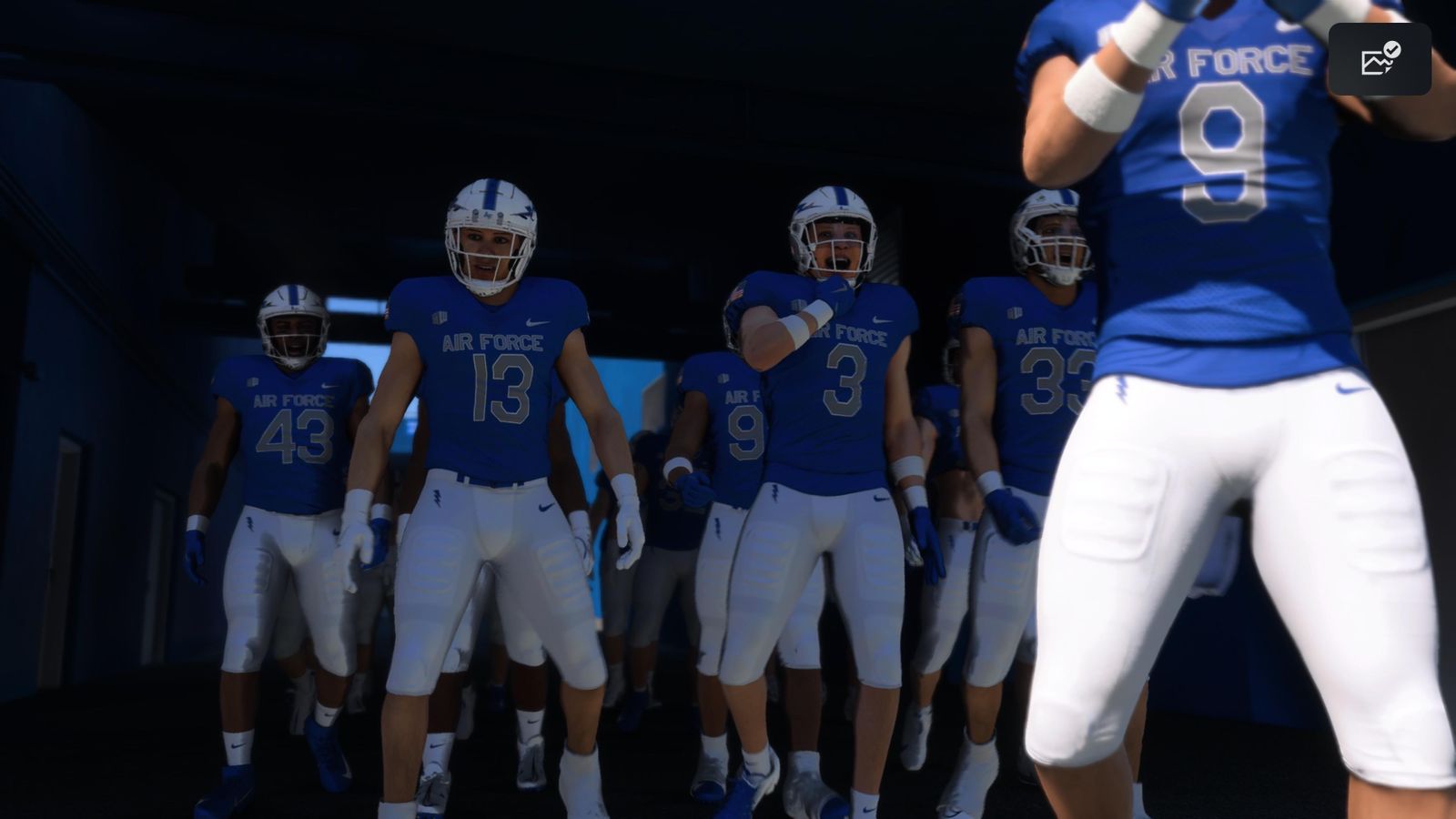
Uniform design is one of the most enjoyable parts of college football 26 team builder because it allows creativity to shine. A balanced design often looks better than one overloaded with patterns or excessive color combinations.
Traditional uniforms featuring clean stripes and classic typography appeal to fans who enjoy realistic college football aesthetics. Others prefer modern designs with bold gradients, alternate helmets, and unique jersey combinations. Either approach can succeed if the overall visual identity remains consistent.
Alternate uniforms also add excitement throughout the season. Wearing special jerseys during rivalry games or championship appearances creates memorable moments while giving players additional customization options. Small visual changes can make each season feel fresh without completely redesigning the team’s identity.
Recruiting for Long-Term Success
A great-looking program is only the beginning. Sustained success depends on recruiting talented athletes who fit the team’s philosophy. Every recruiting class shapes the future, making each offseason almost as important as the games themselves. Some coaches prioritize speed and explosive offensive players, while others build around physical linemen and disciplined defenders. Whichever direction you choose, consistency is the key to creating a competitive roster over multiple seasons.
Using college football 26 team builder effectively means thinking several years ahead rather than focusing only on immediate victories. Young players who develop into stars often become the foundation of championship teams. Redshirting prospects, improving player ratings through development, and maintaining balanced recruiting classes all contribute to a dynasty that remains successful year after year. Careful planning ultimately produces a roster capable of competing with the strongest programs in the nation.
Balancing Creativity with Realism
One of the biggest challenges in custom team creation is finding the right balance between imagination and authenticity. A fictional university can still feel believable if its branding, traditions, and facilities are designed thoughtfully. Choosing realistic school colors, appropriate conference placement, and a stadium that matches the program’s reputation helps create an immersive experience.
Avoiding excessive customization often produces better results than trying to include every possible design element. Clean uniforms, recognizable logos, and a sensible recruiting strategy make a team appear more authentic. Many experienced players discover that subtle details create a stronger impression than overly complicated designs. As a result, every season feels like part of an evolving football history rather than a disconnected series of games.
Dynasty Stories That Keep Players Engaged
The most enjoyable part of building a custom football program is watching its story unfold over time. A newly created school may struggle through losing seasons before finally earning a bowl invitation. Later, improved recruiting classes and experienced coaching can transform the same program into a conference champion and eventually a national contender.
These long-term narratives are what make college football 26 team builder so rewarding. Every rivalry victory, dramatic comeback, and recruiting surprise becomes part of a unique legacy created by the player. Unlike standard play modes that often repeat familiar scenarios, a custom dynasty develops its own history filled with unforgettable moments and personal achievements that feel earned rather than scripted.
Common Mistakes to Avoid
While creativity is encouraged, a few common mistakes can reduce the overall experience. Many new players make their custom teams unrealistically powerful from the very beginning, eliminating the excitement of gradual improvement. Starting with modest ratings creates meaningful progression and makes future championships feel much more satisfying.
Another mistake is inconsistent branding. Random color combinations, unrelated mascots, and constantly changing uniforms can weaken the team’s identity. Maintaining a consistent visual style strengthens immersion throughout every season. Recruiting without considering positional balance is another frequent error. A championship roster requires depth across offense, defense, and special teams rather than an overload of star players at only a few positions.
The Future of Custom Football Experiences
Customization continues to become more detailed as sports games evolve. Players increasingly expect expanded design options, improved sharing features, deeper dynasty systems, and richer storytelling opportunities. Community-created content also adds variety by allowing players to compete with original schools built by others, extending replay value well beyond the first season.
As gaming technology advances, custom programs will likely feature even greater personalization, including enhanced stadium atmospheres, dynamic traditions, and more realistic recruiting systems. These improvements ensure that building a fictional football powerhouse remains one of the most enjoyable ways to experience virtual college football for years to come.
Conclusion
Creating a successful custom football program is about much more than choosing attractive uniforms or a memorable mascot. It requires careful planning, consistent recruiting, thoughtful branding, and patience as the team grows from an unknown school into a respected national contender. Every season presents new opportunities to improve facilities, develop athletes, and write another chapter in the program’s history.
Whether your goal is to recreate a hometown university or invent an entirely new powerhouse, college football 26 team builder provides the freedom to turn imagination into a lasting football legacy. Its blend of creativity, strategy, and long-term progression ensures that every dynasty feels unique. Players who invest time in thoughtful planning and steady development will discover that the journey toward building a championship program is just as rewarding as lifting the final trophy.
Read More:- College Football Realignment Guide: Conferences, Teams & Future