


For decades, college football was built around long-standing traditions, regional rivalries, and conferences that rarely changed. Fans became familiar with annual matchups, legendary stadiums, and the unique identity each conference represented. Over the last several years, however, the landscape has shifted dramatically. Schools have begun moving from one conference to another in search of greater financial opportunities, stronger competition, and increased national exposure. These changes have transformed schedules, television deals, recruiting strategies, and even the future of the sport itself.
Understanding college football realignment is now essential for anyone who follows the game. What once seemed like occasional conference adjustments has become a major force influencing nearly every aspect of college athletics. As universities continue evaluating their long-term futures, conference membership has become one of the biggest strategic decisions in modern sports.
The Evolution of Conference Membership
College football conferences originally formed because geography made travel easier and encouraged regional rivalries. Teams located within the same area could compete regularly while building traditions that lasted for generations. Over time, these conferences became symbols of identity, representing not only athletic competition but also academic partnerships and institutional relationships.
The rise of national television transformed everything. Broadcasting rights became increasingly valuable, allowing conferences with larger audiences to negotiate lucrative media contracts. Schools realized that joining a conference with stronger television exposure could dramatically increase revenue. As a result, conference membership evolved from a regional arrangement into a significant business decision. The growing influence of television networks and streaming services continues to shape how universities evaluate their athletic futures.
Why Schools Decide to Change Conferences
Every university approaches conference membership differently, but several common factors influence these decisions. Financial stability remains one of the strongest motivations. Membership in a conference with a higher media-rights payout can provide millions of additional dollars annually, supporting athletic facilities, coaching salaries, scholarships, and student-athlete resources.
Recruiting also plays an important role. High school athletes often prefer programs that receive regular national television coverage and compete against elite opponents. Universities believe stronger conference affiliations improve their visibility among prospective players. Academic partnerships, institutional prestige, travel logistics, and opportunities for postseason competition also contribute to these complex decisions. In today’s environment, schools must carefully balance tradition with financial sustainability and competitive success.
| Realignment Factor | Impact on Universities |
|---|---|
| Television Revenue | Increased conference income and athletic budgets |
| Recruiting | Greater national visibility for prospective athletes |
| Competition | Stronger schedules and improved rankings |
| Travel | Higher costs but wider geographic reach |
| Fan Engagement | New rivalries while preserving school traditions |
| Media Exposure | Expanded broadcasting opportunities |
Financial Forces Driving Modern Expansion
The financial side of college athletics has become more influential than ever before. Television contracts now generate billions of dollars across major conferences, making media rights one of the primary drivers of conference expansion. Universities recognize that conference affiliation directly affects annual revenue, facility investments, coaching resources, and long-term competitiveness.
Streaming platforms have further intensified competition for broadcasting rights. Fans now consume games through multiple services, increasing demand for premium matchups involving nationally recognized programs. Conferences seek to maximize their value by adding schools with passionate fan bases and strong television markets. This business-focused approach has accelerated college football realignment, turning conference membership into an increasingly strategic investment rather than simply a geographic partnership.
The Impact on Historic Rivalries
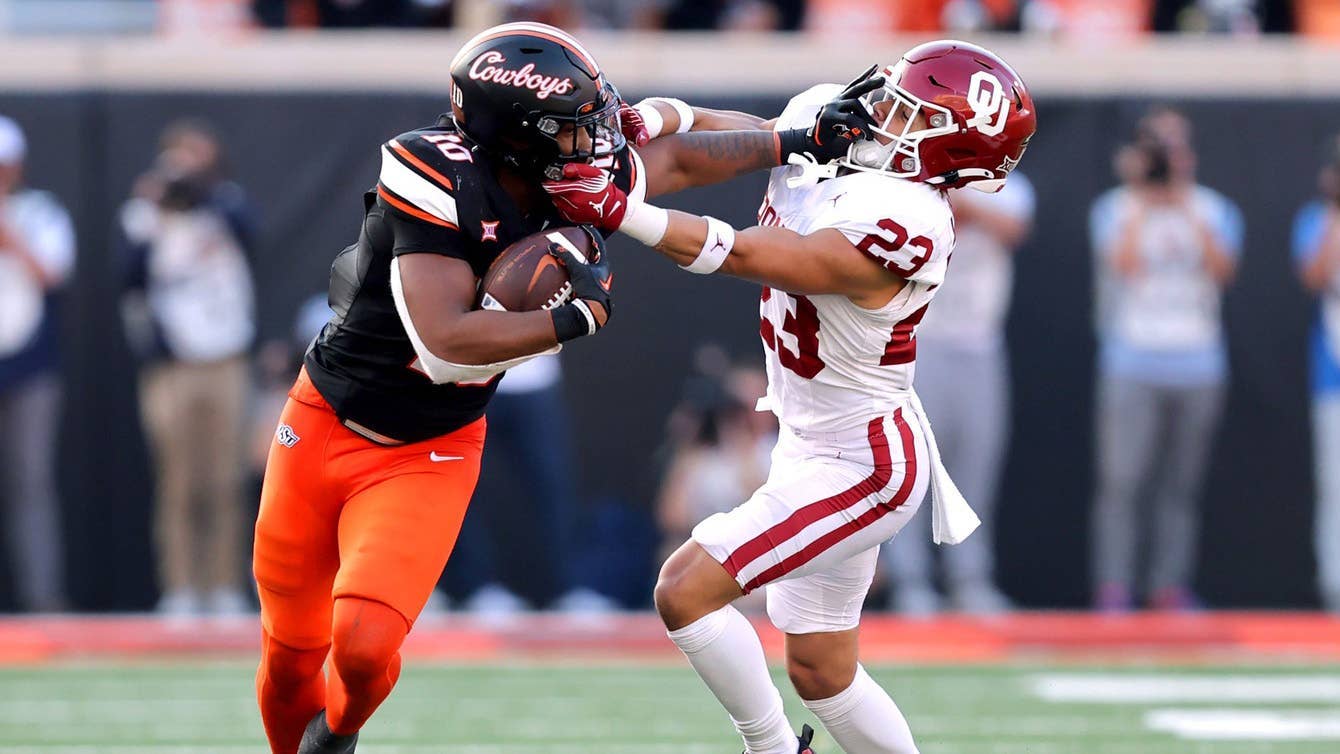
While financial benefits often receive the most attention, conference changes can also affect some of college football’s most cherished traditions. Rivalries built over decades sometimes disappear when schools join different conferences. Annual games that defined entire generations of fans may suddenly become occasional non-conference matchups—or disappear altogether.
Fortunately, many universities recognize the cultural importance of these rivalries and work to preserve them whenever scheduling allows. Athletic directors understand that tradition remains one of college football’s greatest strengths. New rivalries also emerge as schools begin facing unfamiliar opponents on a regular basis. Although change can be difficult, history shows that memorable matchups often develop naturally as competitive programs meet repeatedly over time.
Recruiting in a New Competitive Landscape
Recruiting has become increasingly connected to conference prestige. High school athletes pay close attention to the level of competition they will face, television exposure, and opportunities to compete for championships. Schools joining stronger conferences often experience increased visibility among recruits nationwide.
Coaches also benefit from expanded recruiting territories. As conferences stretch across larger geographic regions, universities gain opportunities to establish stronger relationships in new states. Recruiting strategies that once focused primarily on nearby talent now extend across the country. Digital communication, national broadcasts, and improved transportation have made nationwide recruiting more practical than ever. Consequently, conference membership has become an important selling point during conversations with prospective student-athletes and their families.
Challenges Beyond the Football Field
Conference expansion creates opportunities, but it also introduces significant challenges. Longer travel distances affect athletes participating in multiple sports, not just football. Student-athletes must balance academic responsibilities while spending additional time traveling across the country for competitions. Universities continue exploring scheduling solutions that minimize disruptions while maintaining competitive excellence.
Fans also experience changes. Traditional road trips become more expensive, familiar opponents disappear, and conference standings become increasingly complex. Athletic departments must work harder to maintain fan engagement during periods of transition. Despite these obstacles, many schools believe the long-term benefits outweigh the short-term adjustments required by conference membership changes.
What the Future May Hold
Few observers expect conference movement to stop completely. As media technology continues evolving, universities will likely reassess their positions whenever new opportunities arise. Expanded playoff systems, changing television contracts, and emerging streaming platforms could influence future decisions. Some experts predict greater stability after recent waves of expansion, while others believe additional changes remain inevitable.
Regardless of future developments, adaptability will remain essential. Athletic departments must balance financial health, competitive success, academic values, and fan expectations. The institutions that successfully navigate these competing priorities will be better positioned to thrive in an increasingly dynamic environment. The continuing evolution of college football realignment demonstrates that college athletics is entering a new era where strategic planning is just as important as performance on the field.
The Fan Experience in an Era of Change
Supporters remain the heart of college football, and their passion continues regardless of conference logos or scheduling formats. Fans enjoy discovering new stadiums, watching unfamiliar matchups, and following expanded conference races that include teams from across the country. At the same time, many still hope traditional rivalries remain an important part of future schedules.
Modern technology has made it easier than ever for supporters to follow their favorite programs through streaming services, social media, and digital coverage. Increased national exposure gives fans more opportunities to watch games than previous generations ever experienced. While conference maps continue changing, the excitement surrounding Saturdays in the fall remains remarkably consistent, reinforcing why the sport continues attracting millions of loyal followers every season.
Conclusion
The modern era of college football realignment represents one of the most significant transformations in the sport’s history. Conference membership now influences television revenue, recruiting success, competitive opportunities, institutional visibility, and long-term financial stability. Universities face increasingly complex decisions as they balance historic traditions with the realities of an evolving sports marketplace.
Although some beloved rivalries have changed and travel demands have increased, the sport continues adapting while preserving its unique spirit. Fans remain passionate, athletes continue competing at the highest level, and conferences strive to create exciting new opportunities. As future media agreements, playoff formats, and institutional priorities evolve, additional changes are always possible. What remains constant is college football’s remarkable ability to grow while maintaining the traditions and excitement that have made it one of the most celebrated sports in America. Understanding college football realignment helps fans appreciate not only where the game stands today but also where it may be heading in the years ahead.
Read More:- College Football 26 Release Date, Features & Gameplay Details